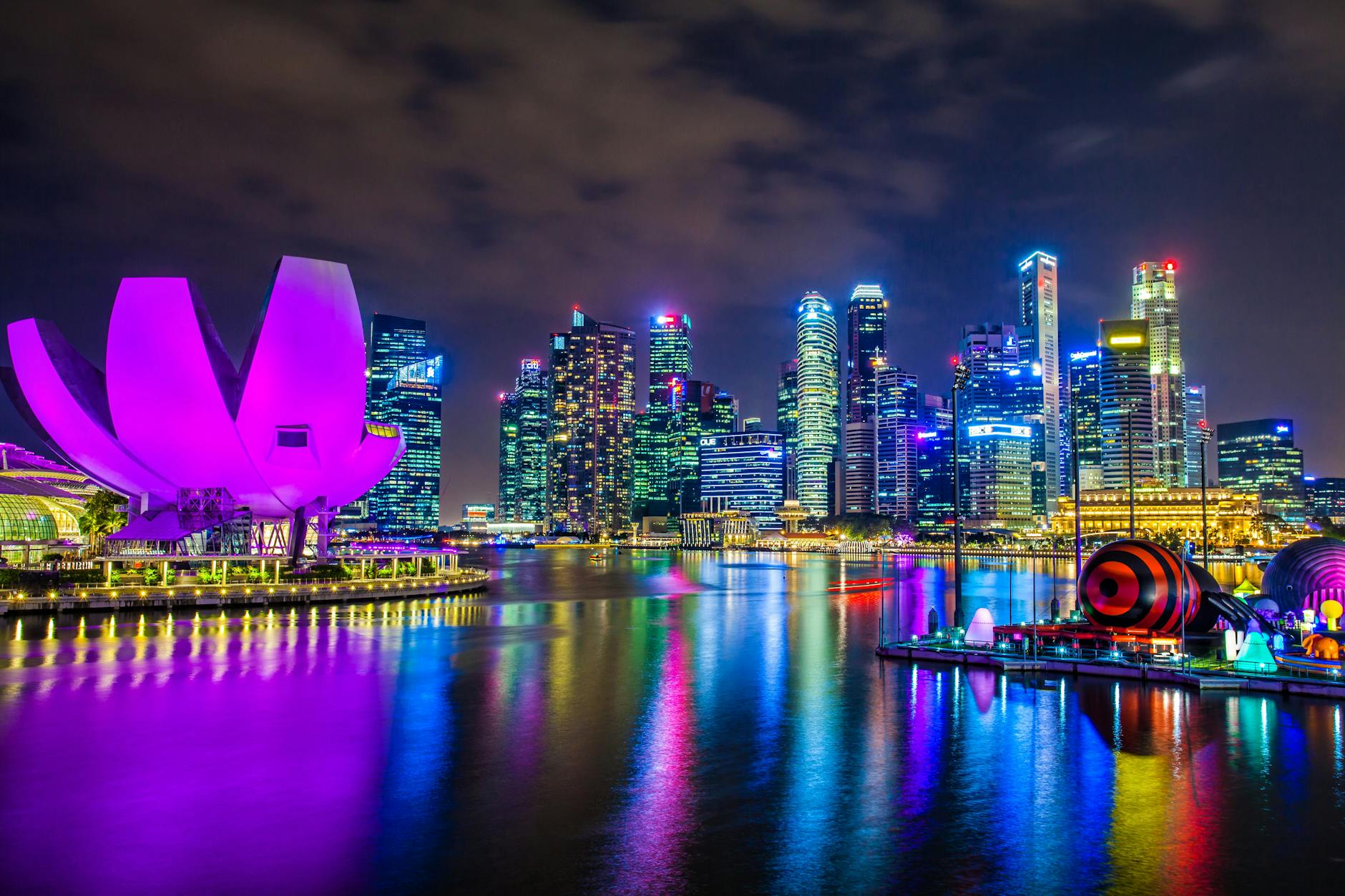
The Lion City Complete Guide
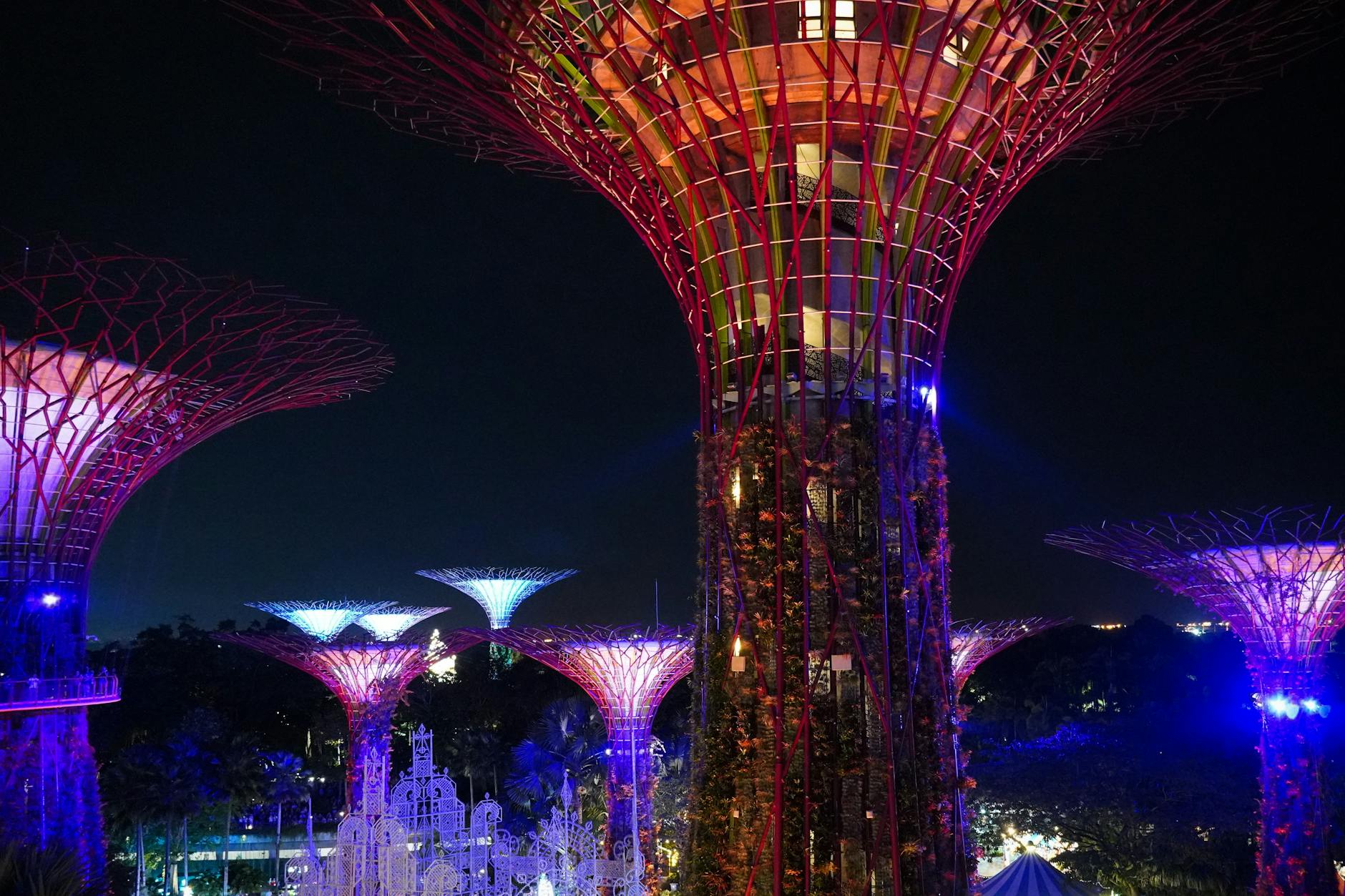
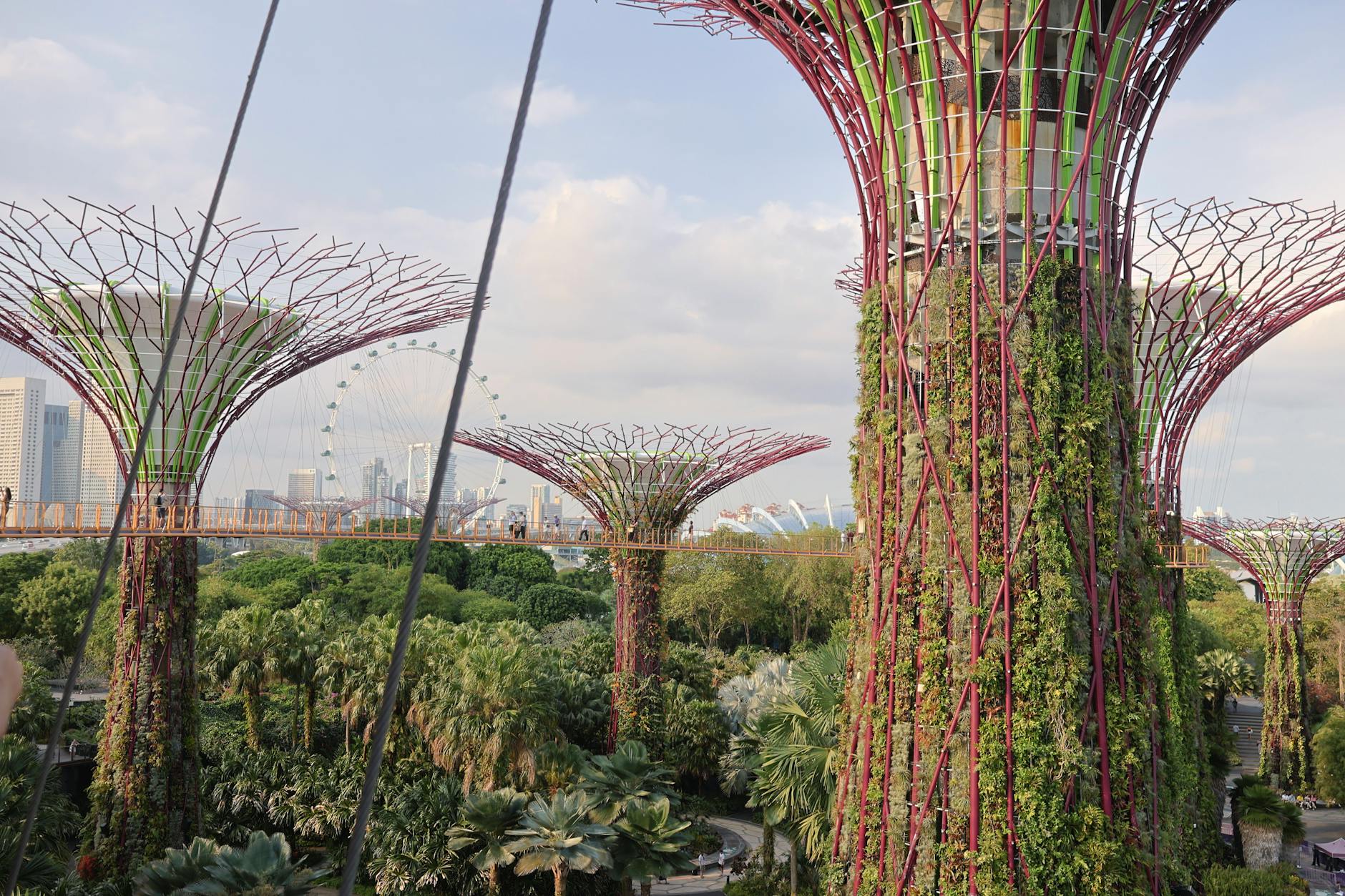
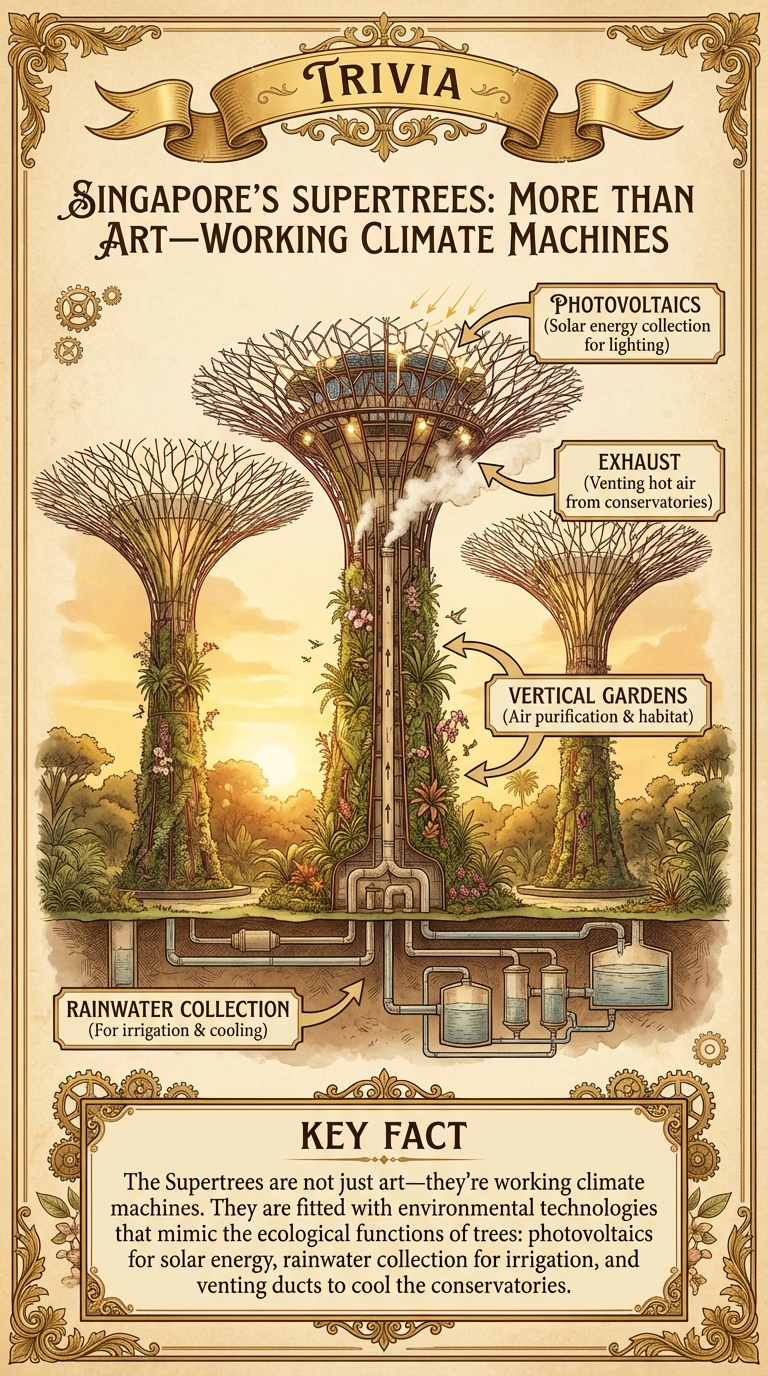
Singapore's futuristic Supertree Grove comes alive every evening with a spectacular light and sound show. These 25-50 metre tall vertical gardens are working environmental technology - collecting rainwater, generating solar power, and venting hot air. See page 28.
Asia's most surprising city-state
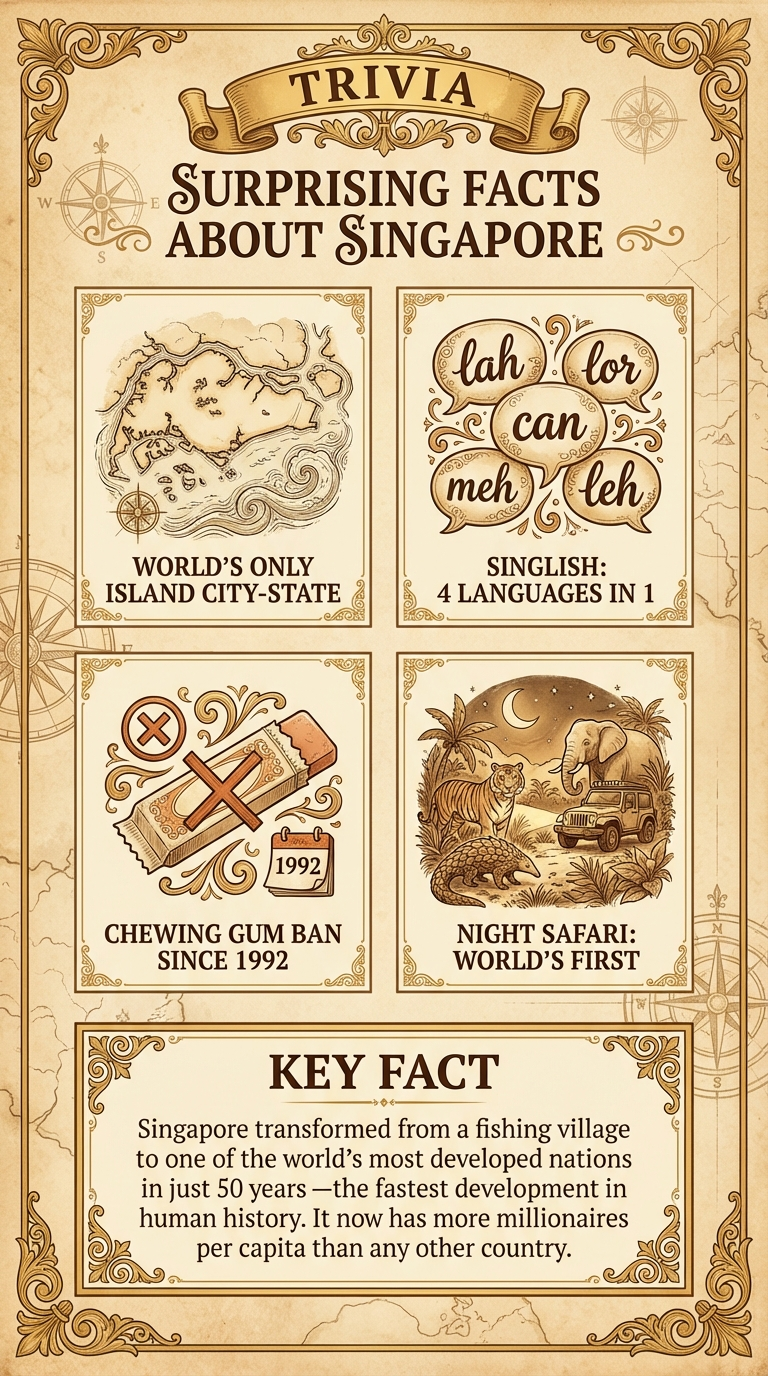
Singapore defies expectations at every turn. This tiny island nation, roughly the size of New York City, has transformed itself from a humble fishing village into one of the world's most sophisticated metropolises in just five decades. Here, futuristic gardens grow alongside colonial shophouses, and Michelin-starred restaurants share streets with legendary hawker stalls serving $3 meals.
The city-state is a masterclass in urban planning and cultural harmony. Wander through the narrow lanes of Chinatown in the morning, explore the colorful temples of Little India at noon, and by evening find yourself sipping craft cocktails on a rooftop bar overlooking the glittering Marina Bay skyline.
But Singapore isn't just about gleaming skyscrapers and Instagram-worthy backdrops. Beneath the polished surface lies a rich tapestry of traditions. The aroma of incense wafts from centuries-old temples, elderly uncles play chess in neighbourhood void decks, and families gather at hawker centres for weekend brunches.
Singapore's hawker culture was inscribed on UNESCO's Intangible Cultural Heritage list in 2020. These open-air food courts serve as the city's communal dining rooms, where suit-wearing executives sit alongside construction workers over plates of chicken rice. From Michelin-starred hawker stalls to celebrity chef restaurants, Singapore offers one of the world's most diverse culinary scenes.
Despite being one of the most densely populated countries, Singapore has more trees than people. The "City in a Garden" vision means lush greenery covers buildings, parks connect neighbourhoods, and nature reserves thrive within city limits. Gardens by the Bay's Supertrees have become icons of sustainable urban design.
Singapore consistently ranks as one of the world's safest cities. The public transport system is immaculate, English is widely spoken, and you can drink tap water anywhere. It's the perfect introduction to Southeast Asia for first-time visitors.
"The moment you step off the plane at Changi Airport, you know you're somewhere special. Where else can you explore a waterfall in an airport, eat world-class food for $4, and party until dawn - all in one city? Singapore rewards curiosity." - The Travorea Team
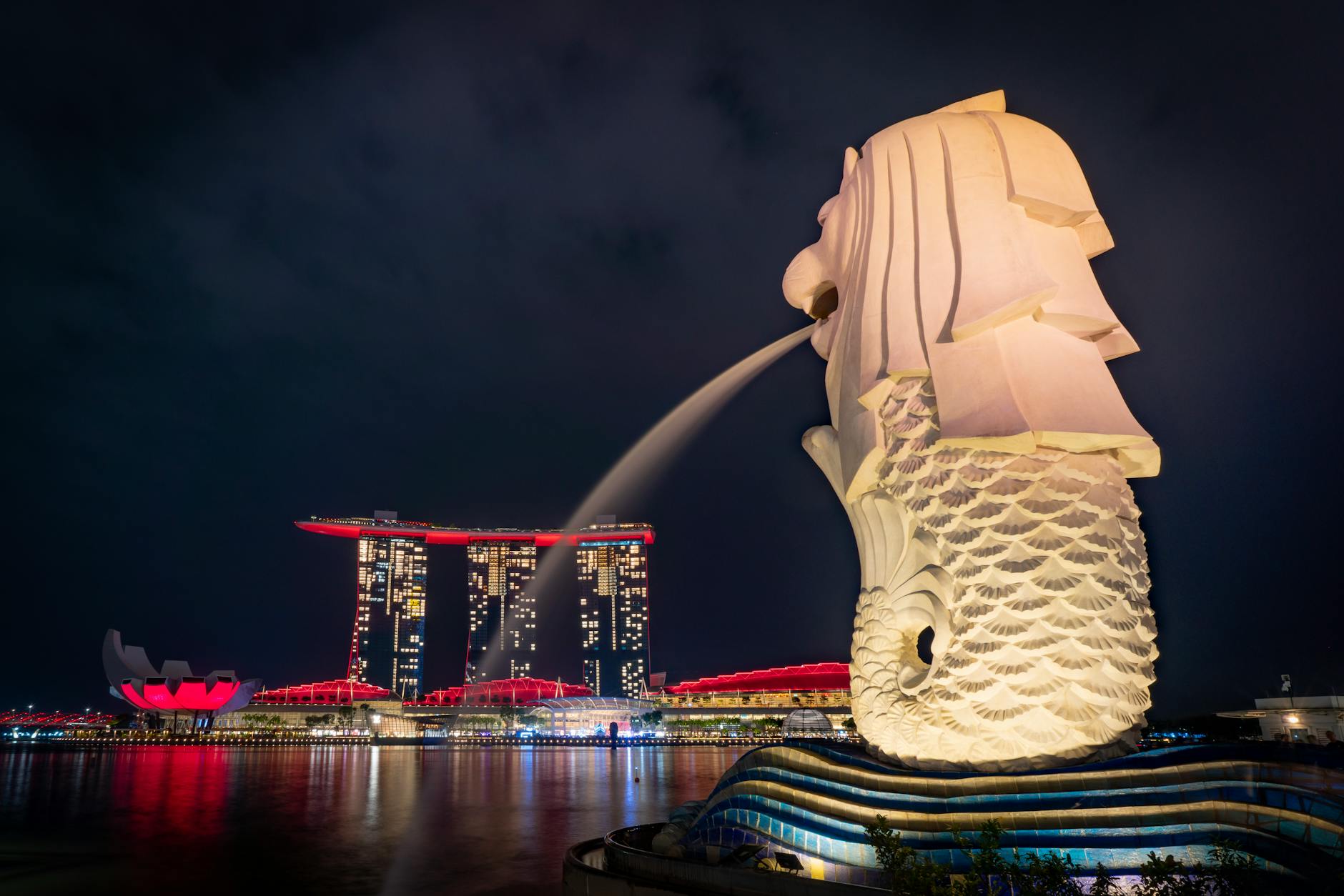
The Merlion statue with Marina Bay Sands - Singapore's most iconic view
February to April: Driest months with least rainfall. Perfect weather for outdoor sightseeing.
May to July: Great Singapore Sale season with shopping discounts up to 70% off.
September: F1 Singapore Grand Prix transforms the city into a racing carnival.
November to January: Monsoon season brings brief but heavy showers. Christmas and New Year celebrations are spectacular.
Singapore has a tropical climate with consistent temperatures year-round: 27-32°C (80-90°F). Humidity is always high (80%+). Rain can fall any day, usually as short afternoon thunderstorms. Always carry an umbrella.
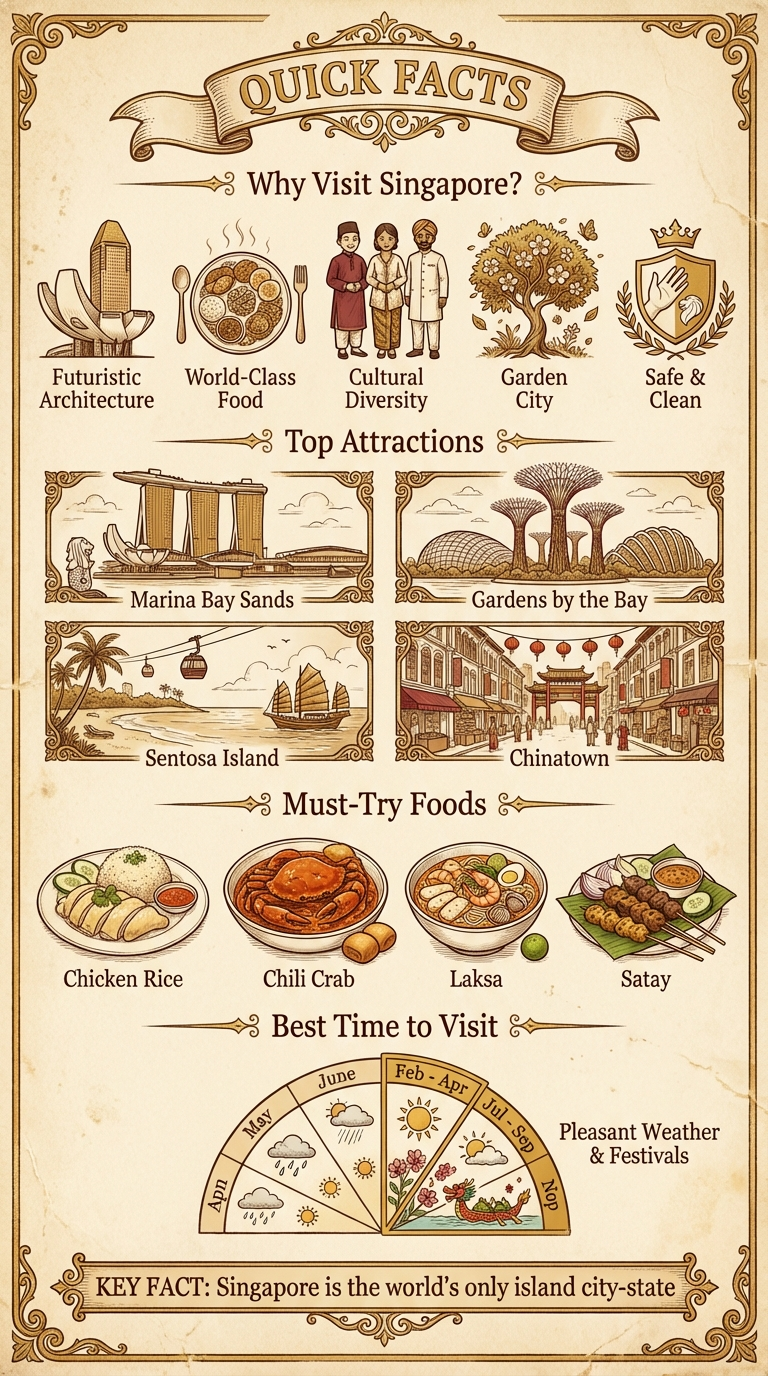
The essential experiences you can't miss

Marina Bay | S$32 conservatories
Walk among 25-50m Supertrees, explore climate-controlled domes, catch the free nightly light show.
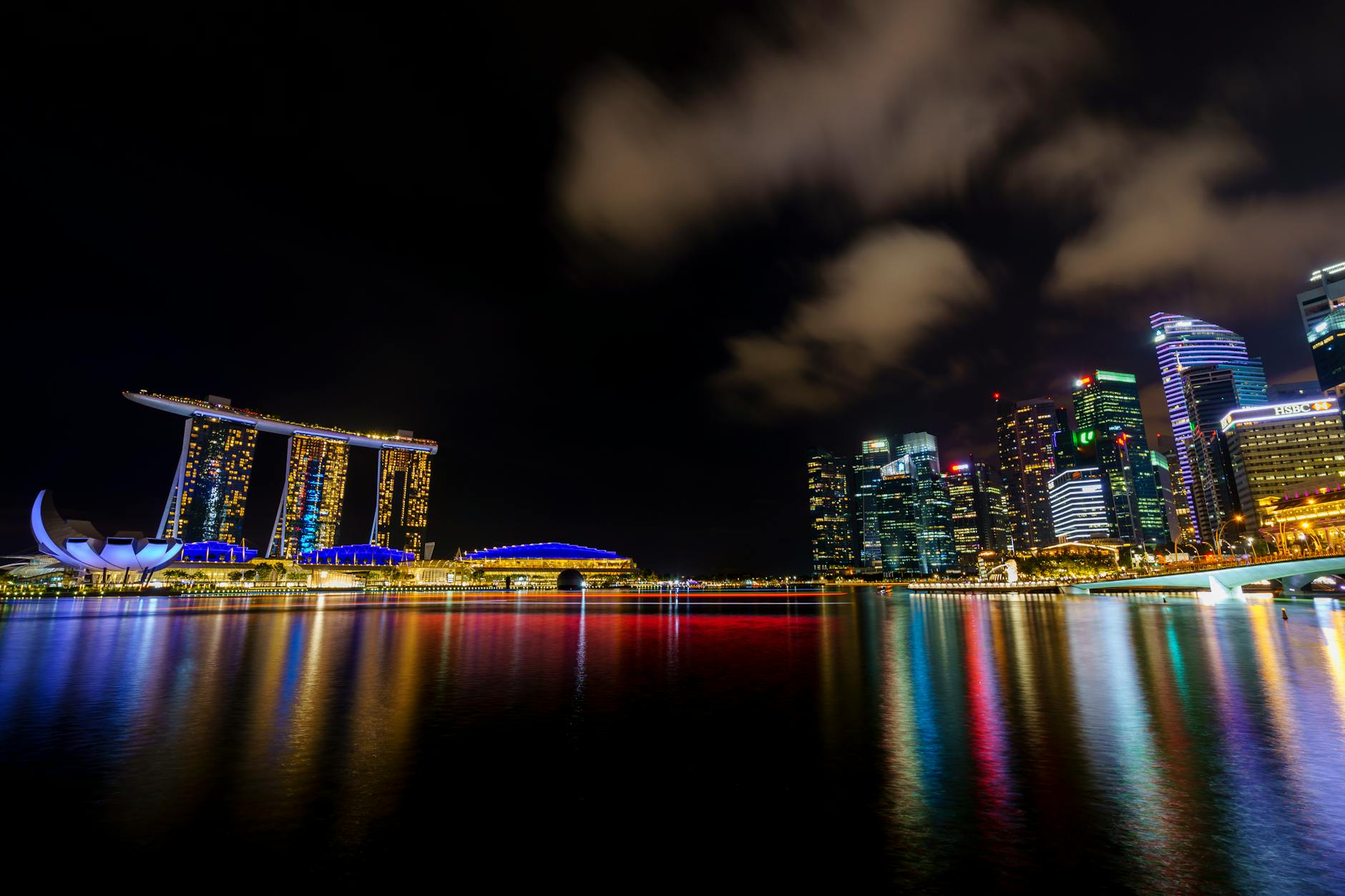
Marina Bay | S$26 SkyPark
Iconic hotel with infinity pool, observation deck, and world-class casino and shopping.
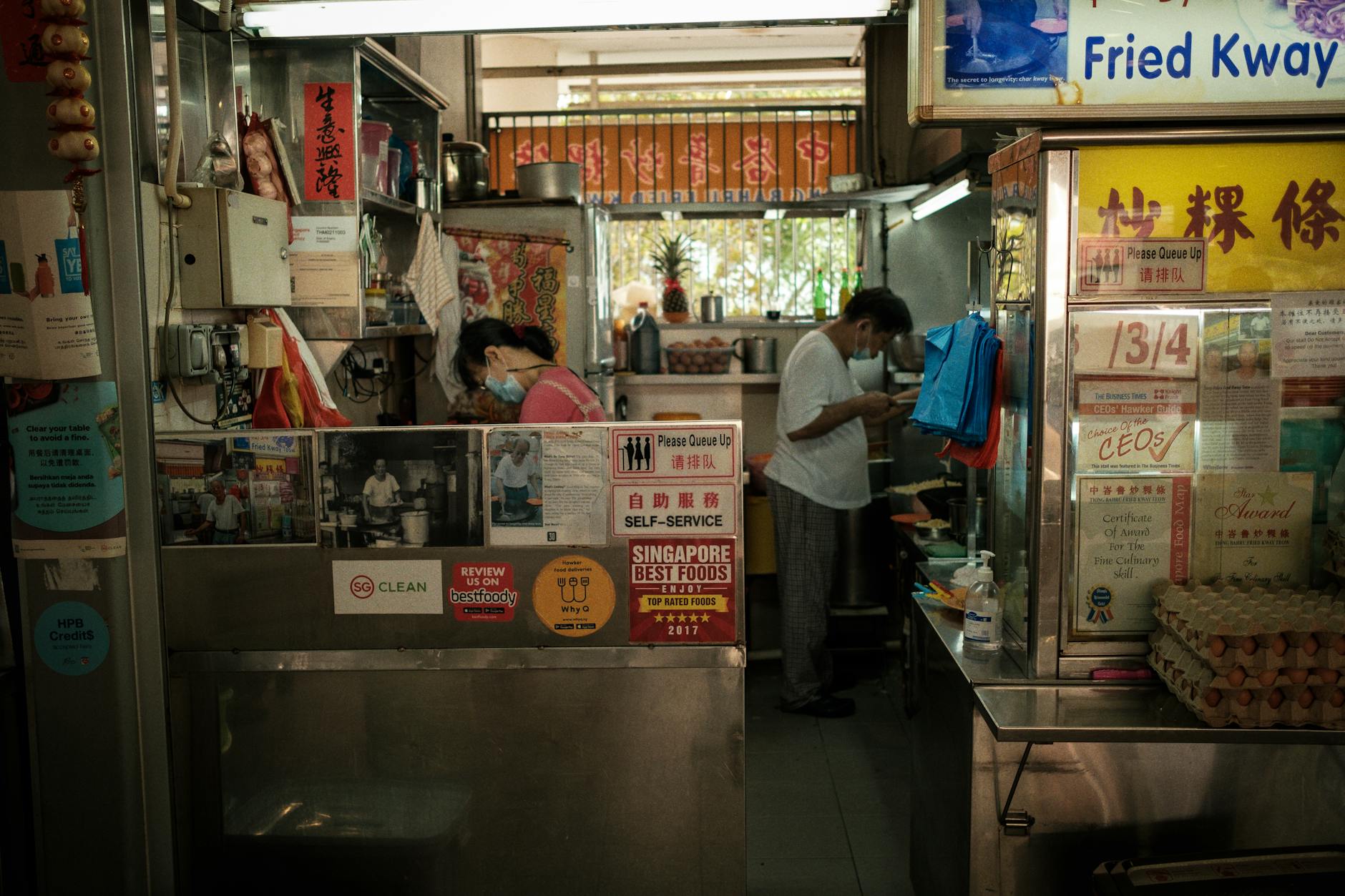
Citywide | S$4-8 per meal
UNESCO-recognized food culture. Try chicken rice, laksa, and chilli crab at legendary stalls.
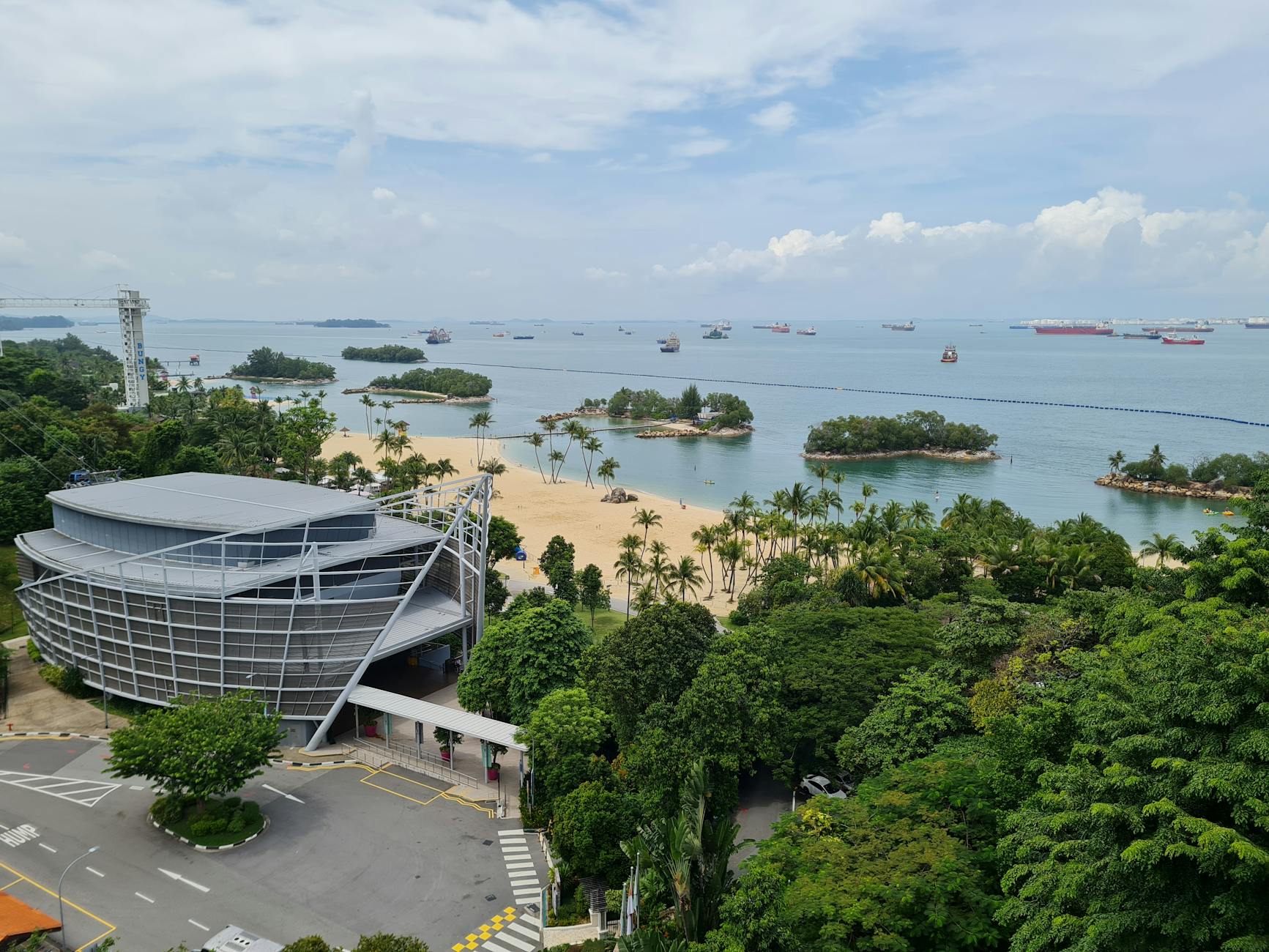
Southern Islands | Various
Resort island with Universal Studios, beaches, S.E.A. Aquarium, and adventure parks.
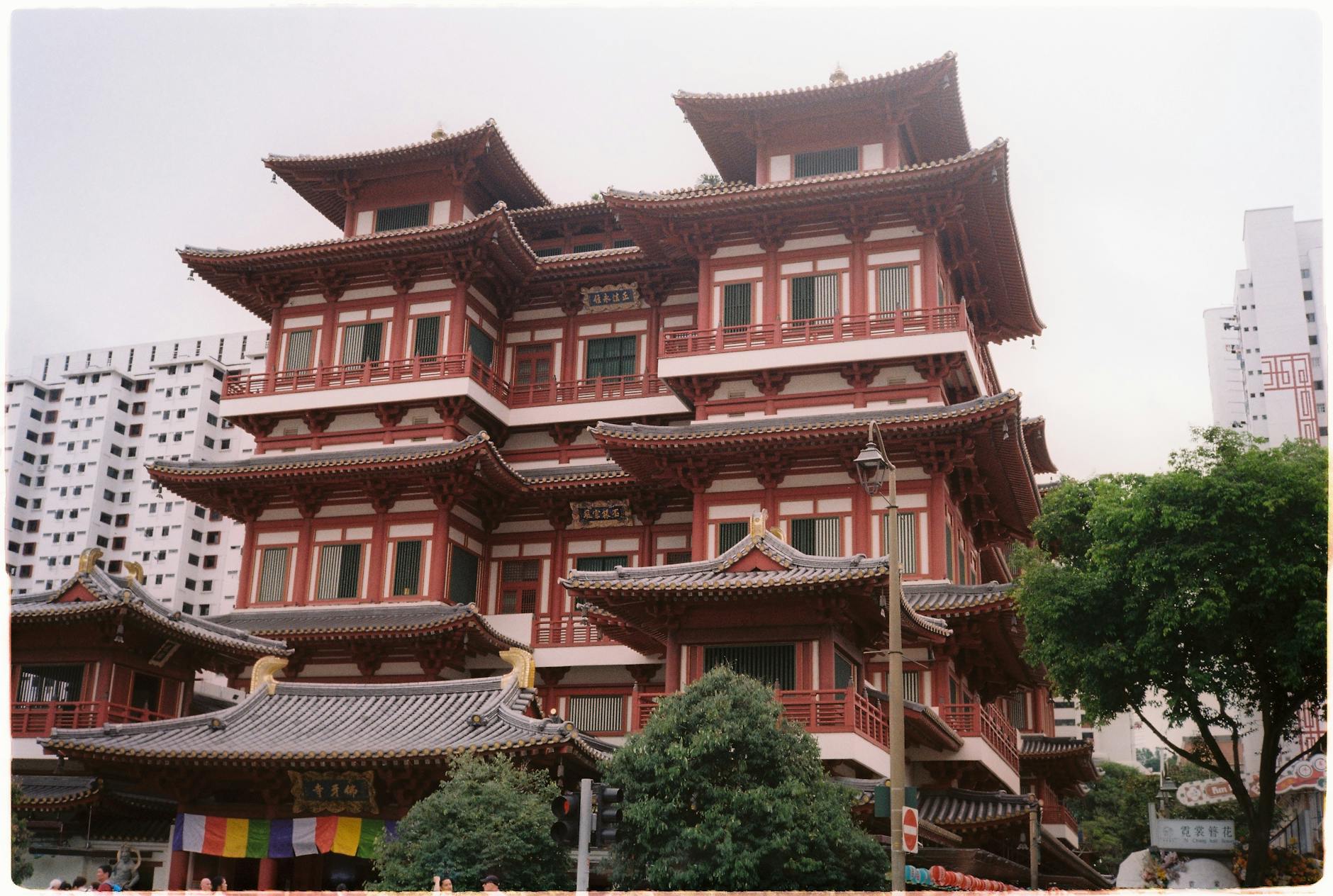
Chinatown | Free
Buddha Tooth Relic Temple, traditional shophouses, and the best local food streets.
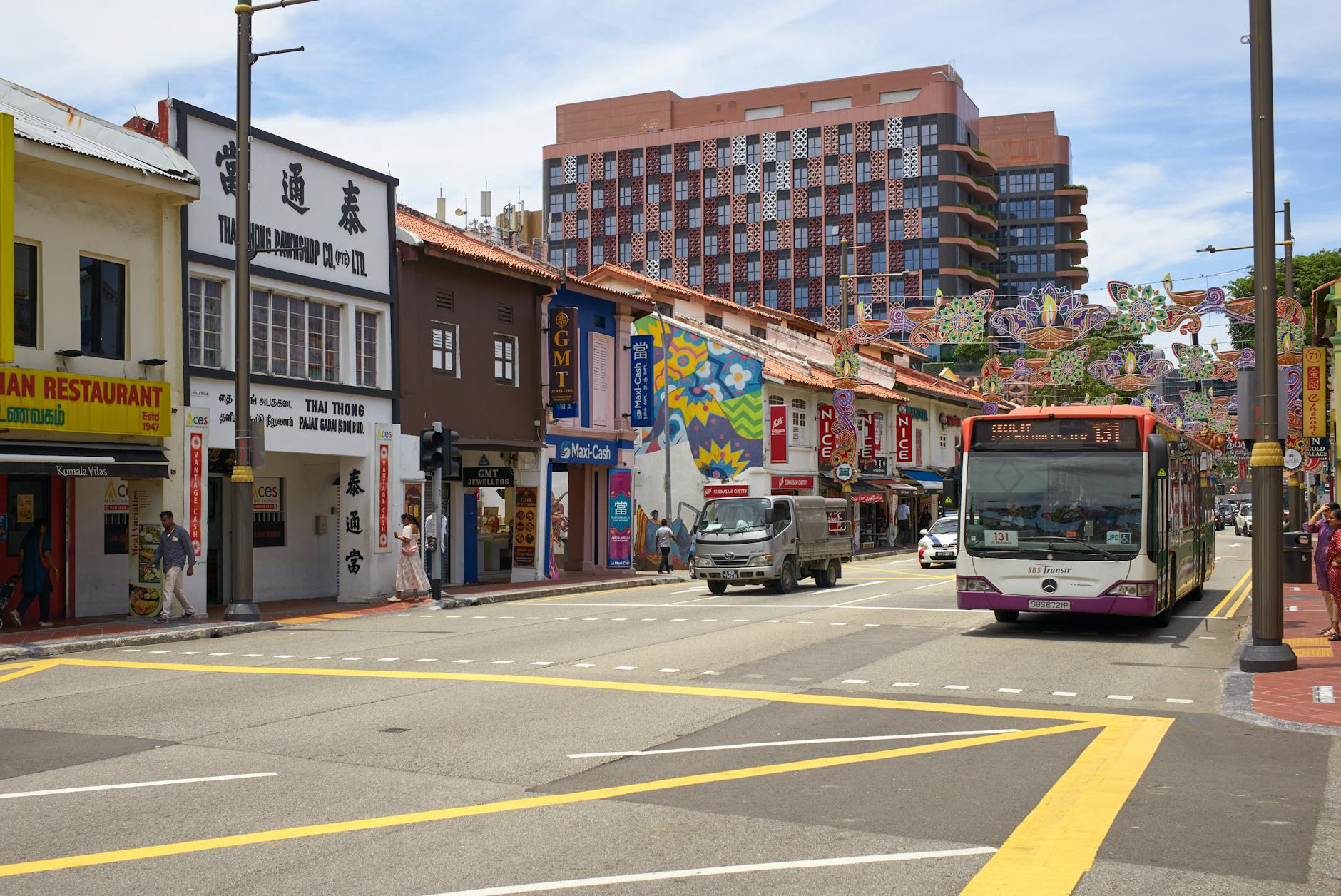
Little India | Free
Vibrant colours, Hindu temples, flower garlands, and the best South Indian food outside India.
Visit Gardens by the Bay twice - during the day for the conservatories, and again at 7:45pm for the free Garden Rhapsody light and sound show at Supertree Grove.
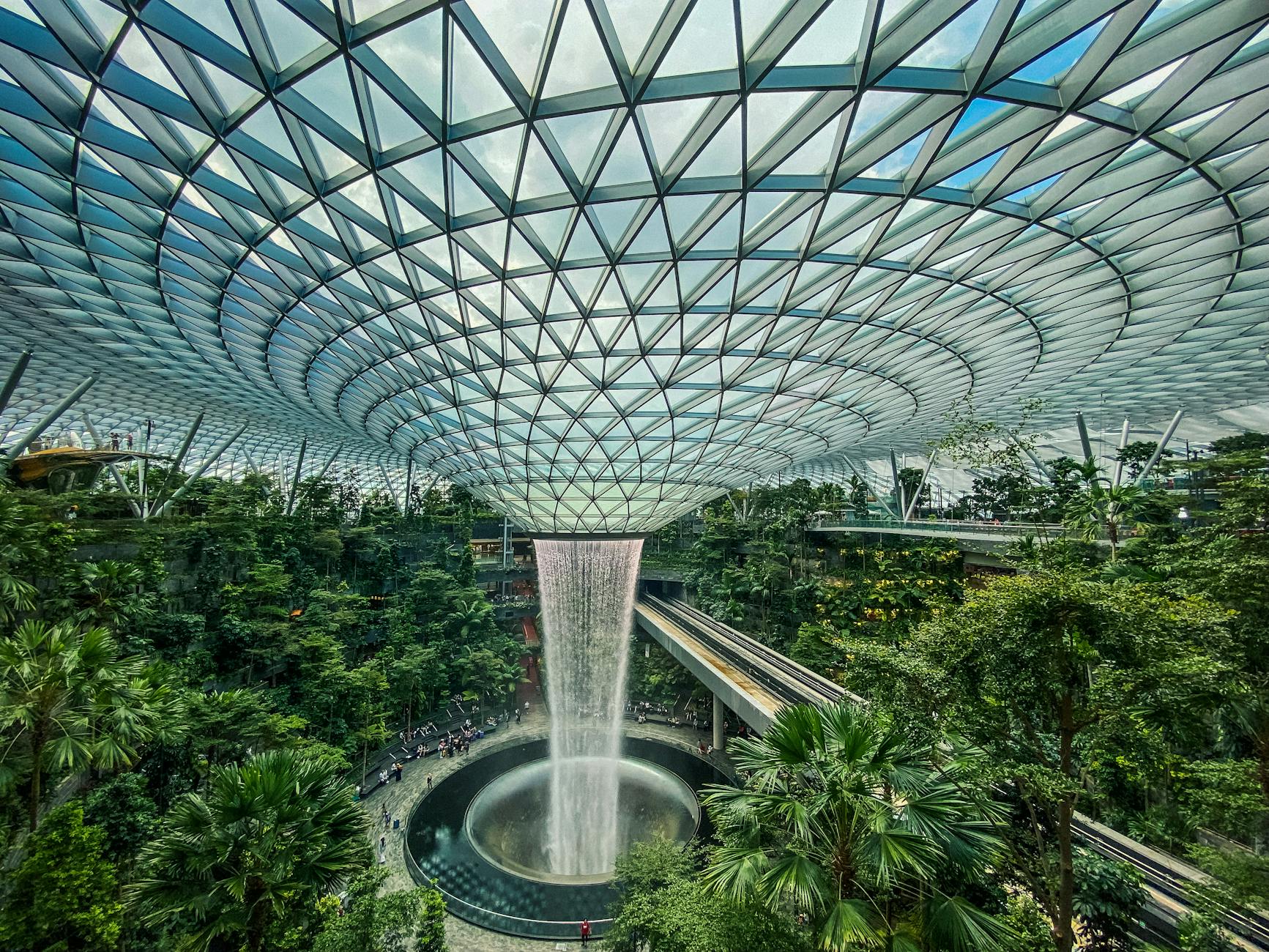
Changi | Free entry
World's tallest indoor waterfall, five-story forest, 280+ shops. Worth arriving early for.
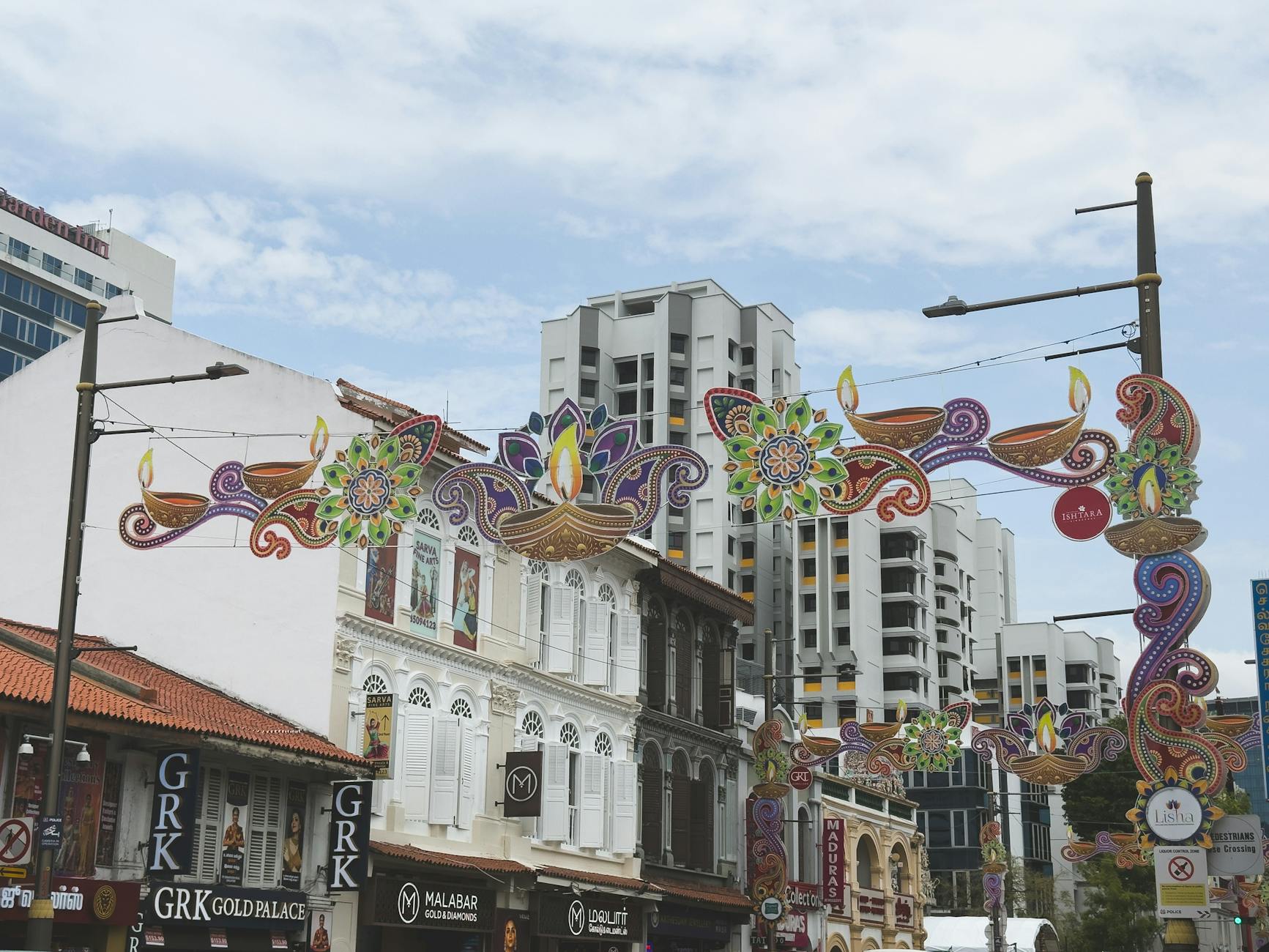
Arab Quarter | Free
Sultan Mosque, Haji Lane boutiques, street art, and the best Middle Eastern food.
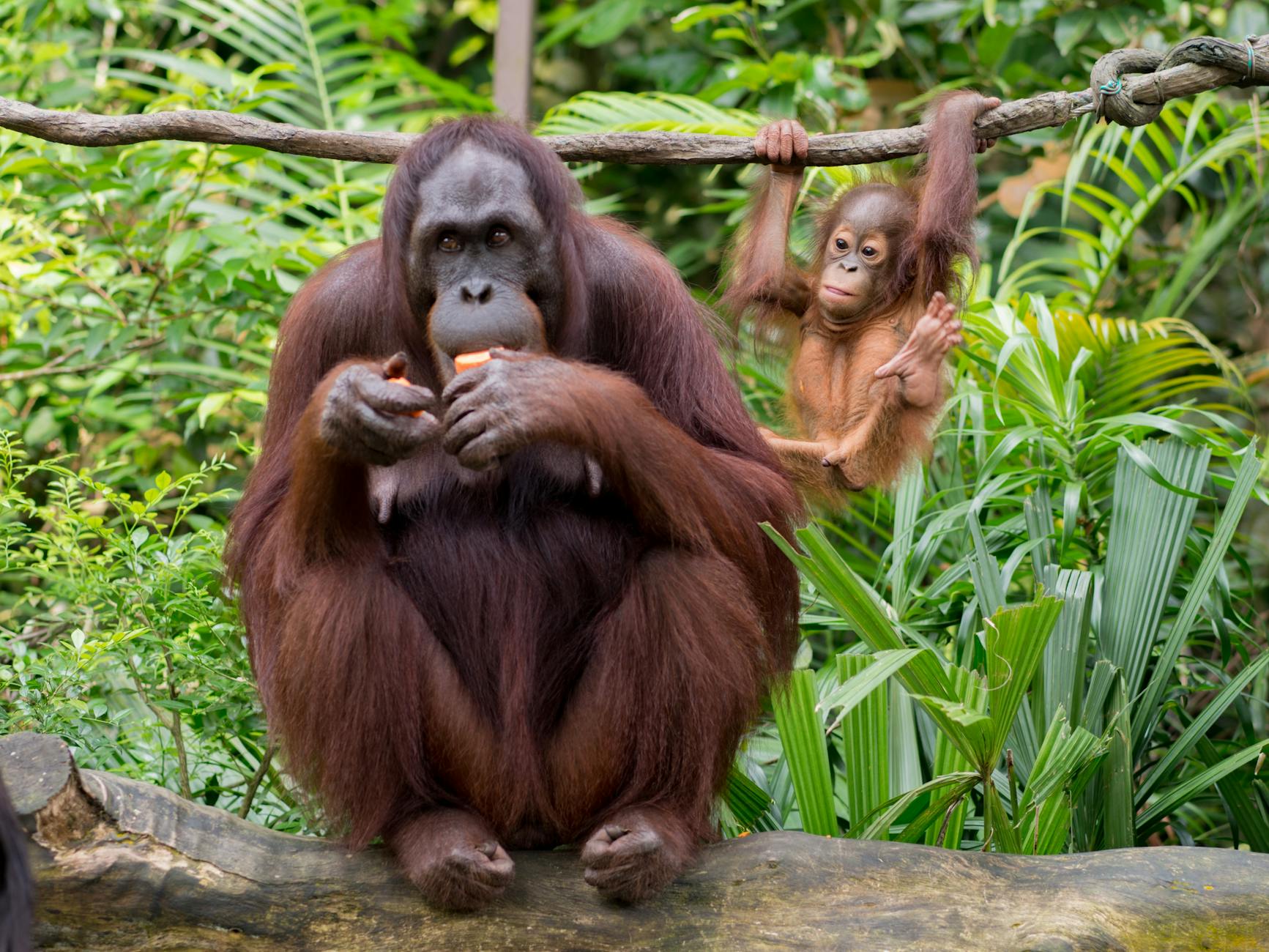
Mandai | S$50
Award-winning open-concept zoo. Don't miss the Night Safari - world's first nocturnal zoo.
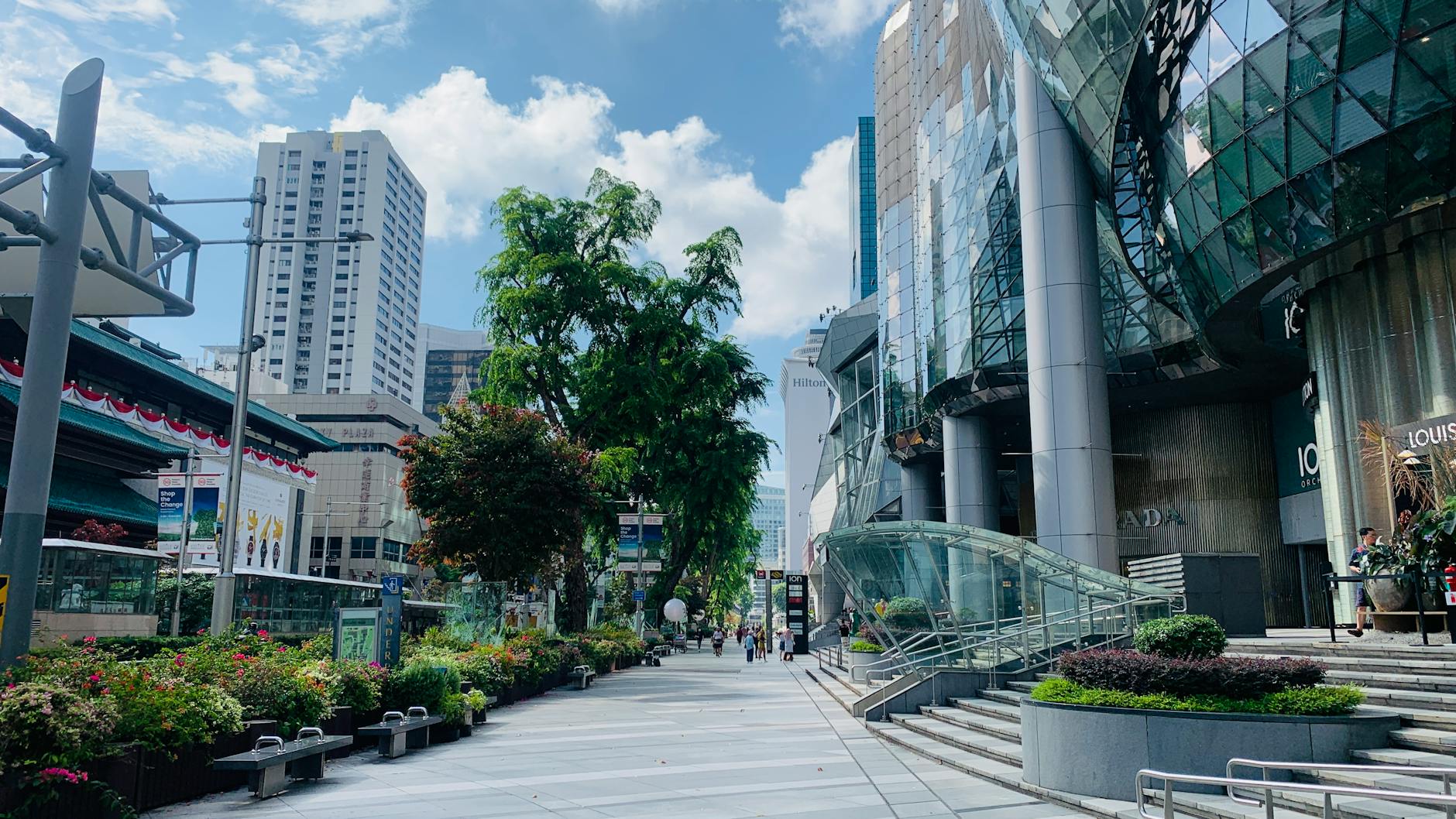
Orchard | Free
2.2km shopping belt with luxury brands, department stores, and local designers.
City Hall | S$40 Singapore Sling
Colonial-era luxury hotel. Sip a Singapore Sling where it was invented at Long Bar.
Clarke Quay | Various
Riverside entertainment hub with restaurants, bars, and clubs. Best at night.
Tanglin | Free (Orchid Garden S$5)
UNESCO World Heritage Site. 160+ years old with stunning National Orchid Garden.
Marina Bay | S$21
Lotus-shaped building with immersive digital art exhibitions. Future World is a must.

City Hall | S$20
World's largest collection of Southeast Asian art in former Supreme Court and City Hall.
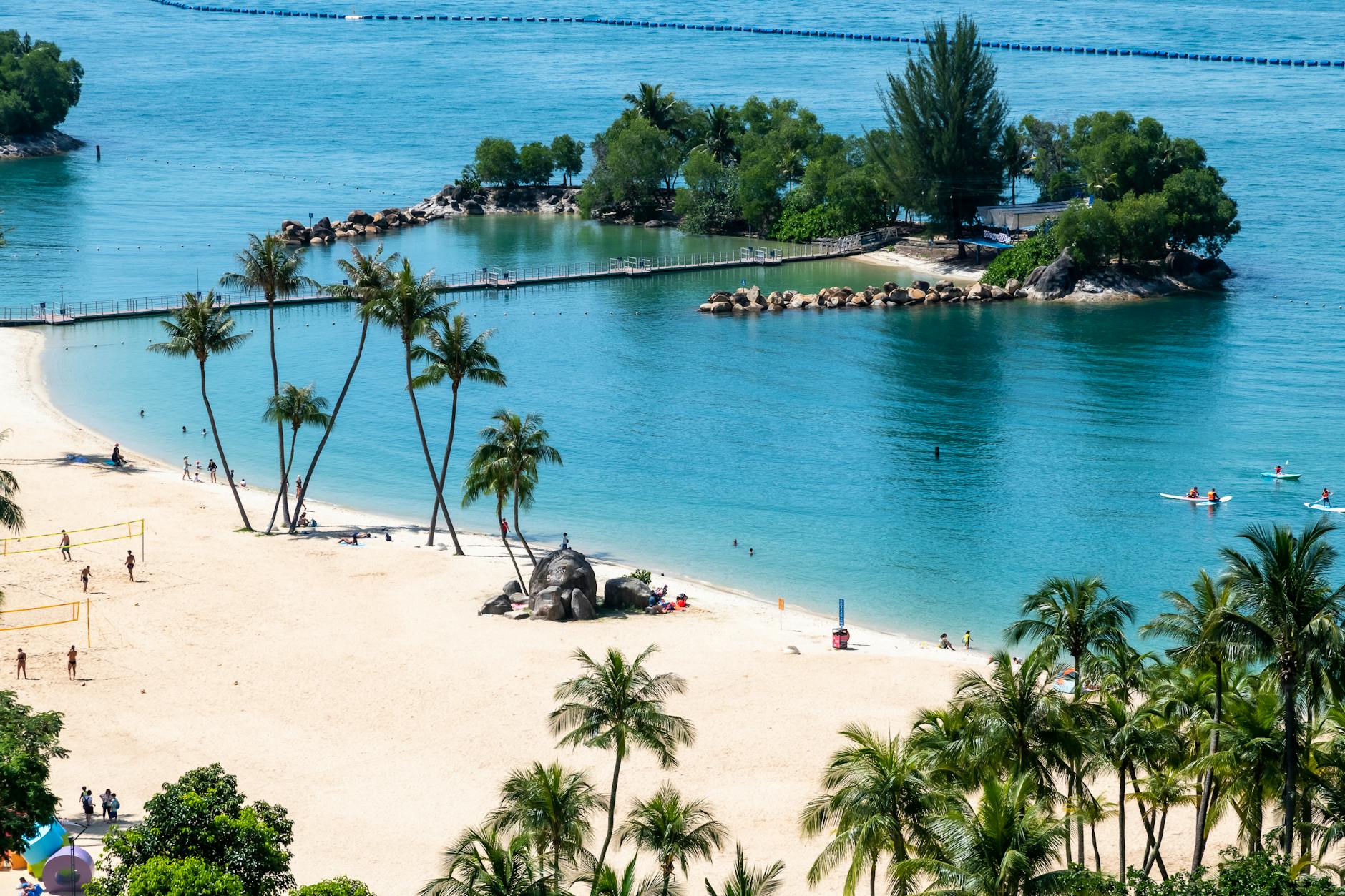
Sentosa | S$82
Southeast Asia's only Universal theme park with 24 rides across 7 themed zones.
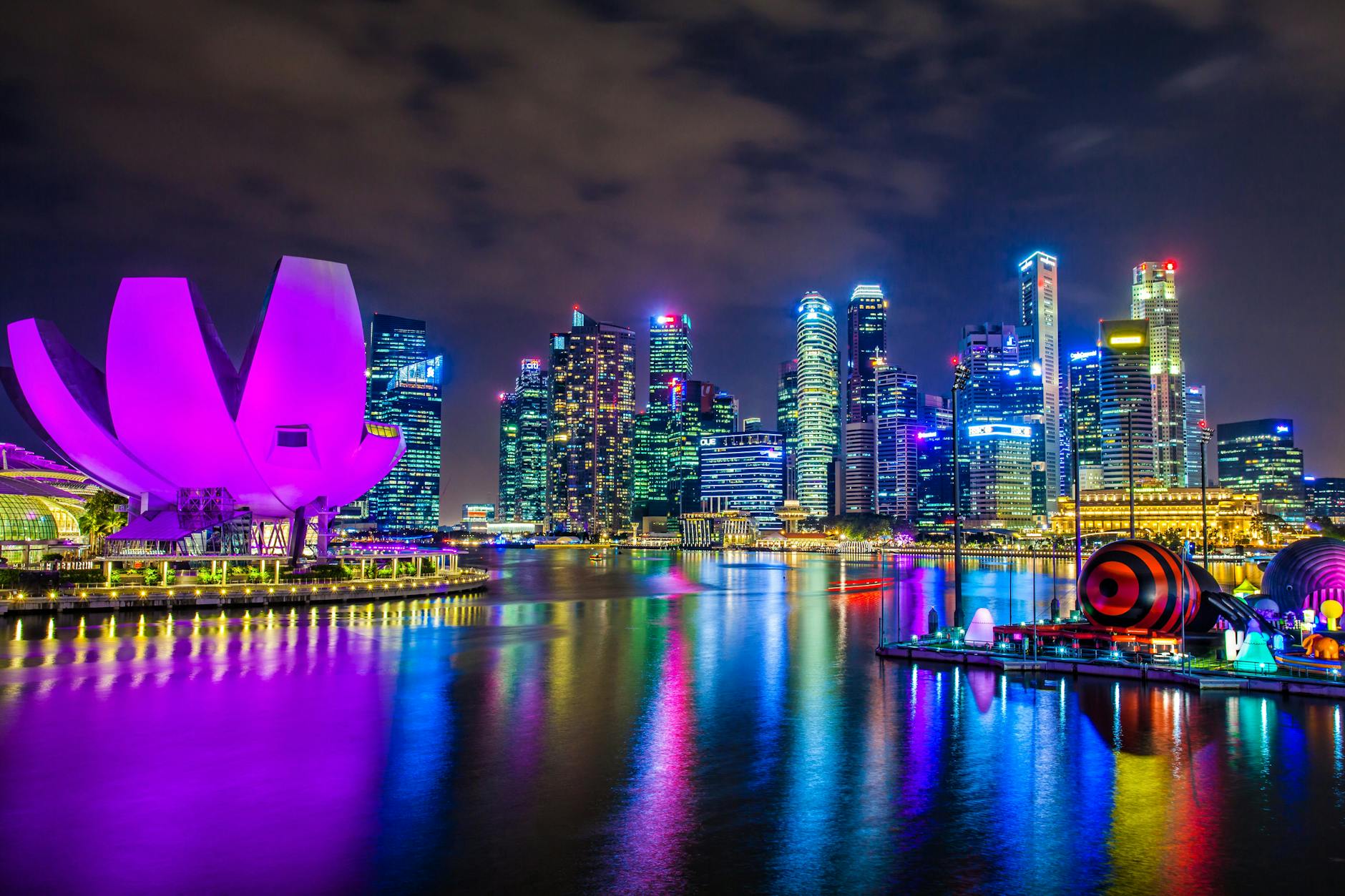
Marina Bay | Free
Stunning 15-minute water, light and laser show at MBS Event Plaza. 8pm & 9pm nightly.
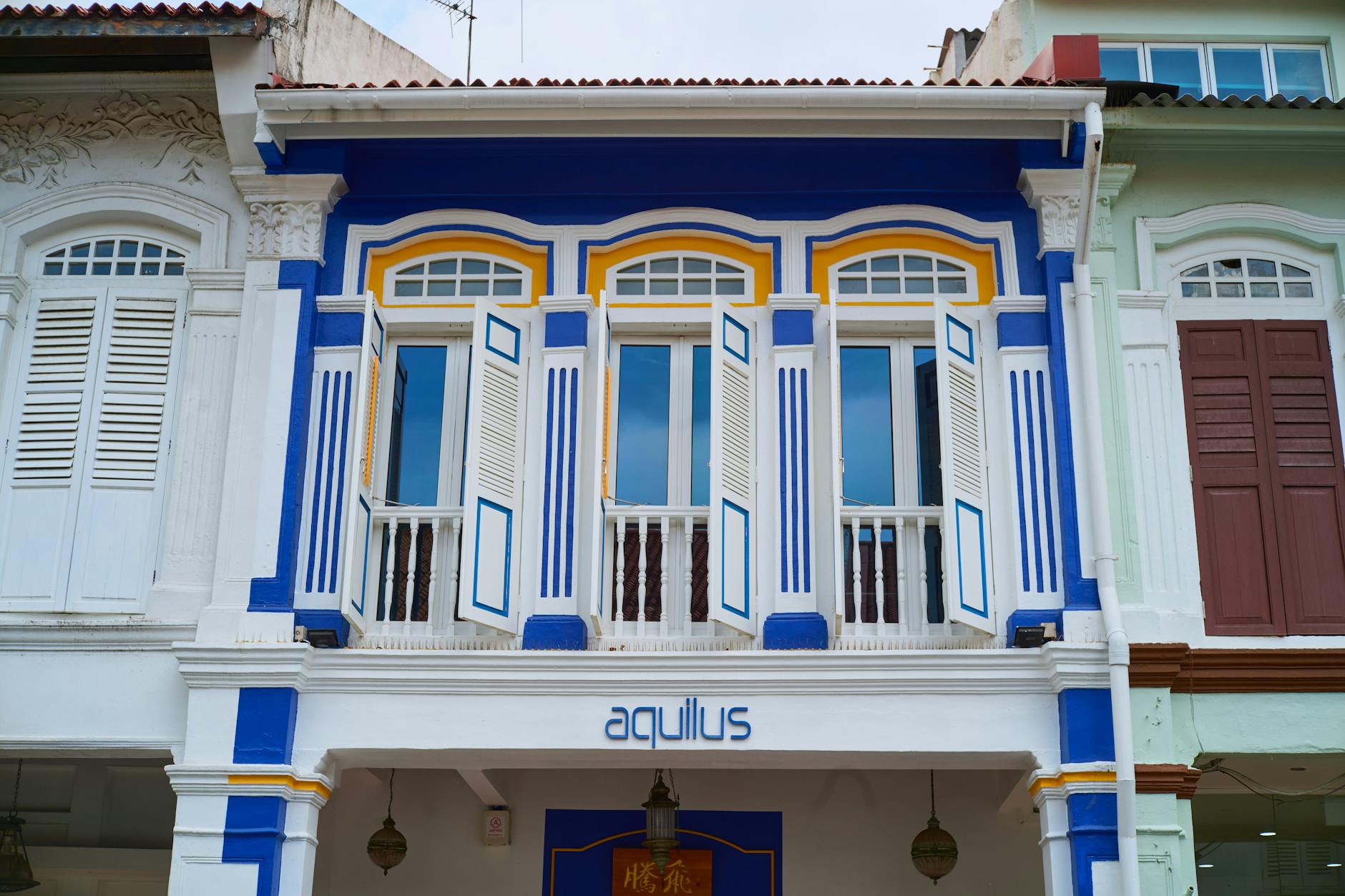
Tiong Bahru | Free
Art deco neighbourhood with indie cafes, bakeries, and Singapore's most charming market.
Singapore's last kampung (village). Take a bumboat from Changi Point and explore this rustic island by bicycle. See wild boars, spot hornbills, and experience Singapore as it was 60 years ago. (S$4 boat, S$10-15 bike rental)
Pack a picnic and join locals flying kites at this reservoir with stunning city views. Free entry, spectacular sunsets, and the best skyline photography spot. Take the Green Corridor walk from here.
Latest openings and happenings in 2026
The new Rainforest Wild Asia zone opened in 2025, connecting Singapore Zoo with River Wonders and Night Safari via an elevated walkway through the forest canopy. The new Bird Paradise also relocated here from Jurong.
Singapore's biggest urban transformation is underway. The former Keppel Club area is becoming a 30km waterfront promenade with parks, housing, and attractions. First phase opens 2026.
Opening at Bay East Garden, this new memorial honours Singapore's founding leaders and the nation's journey to independence. Interactive exhibits and beautiful garden setting.
The Cross Island Line Phase 1 opens in 2030, but several new Thomson-East Coast Line stations are now operational, including Gardens by the Bay station for direct access to the Supertrees.
The famous shopping belt continues its rejuvenation with new experiential retail, pop-up markets, and car-free zones on weekends. ION Orchard's rooftop observation deck now free after 6pm.
Singapore's first vertical farm-to-table restaurant opened at CapitaSpring. Hawker centres are going green with biodegradable packaging mandated from 2025.
Singapore's ever-evolving skyline continues to grow
Essential information before you go
Most nationalities get 30-90 day visa-free entry. Check ICA website for your country. Arrival card is now electronic (SGAC).
Credit cards accepted everywhere. ATMs abundant. Tipping not expected (10% service charge often included). GST is 9%.
Free WiFi at most malls, cafes, and MRT stations. SIM cards available at airport (Singtel, StarHub, M1). eSIM works with most phones.
No vaccinations required. Tap water safe to drink. Excellent hospitals and clinics. Bring dengue repellent for outdoor activities.
No chewing gum (import banned). No eating/drinking on MRT (S$500 fine). No smoking except designated areas. Drug laws extremely strict.
Light breathable clothes, umbrella (essential!), comfortable walking shoes, light jacket for air-con, power adapter (UK-type G plug).
Smart casual for restaurants and bars. Cover shoulders/knees at temples. Shoes off at mosques and some temples.
Not common in Singapore. Fixed prices at most shops. Acceptable at some Little India and Chinatown tourist stalls.
Grab: Taxi/ride-hailing | Google Maps: Navigation and MRT | Klook: Attraction tickets | Burpple: Food recommendations | Singabus: Bus arrival times | MyTransport: Official transport app
| Category | Budget | Mid-Range | Luxury |
|---|---|---|---|
| Accommodation | S$40-80 | S$150-250 | S$400+ |
| Food | S$20-30 | S$50-80 | S$150+ |
| Transport | S$10-15 | S$20-30 | S$50+ |
| Activities | S$20-40 | S$50-100 | S$200+ |
| Total/Day | S$90-165 | S$270-460 | S$800+ |
Tips to make your first visit smooth
Marina Bay: Iconic views, luxury hotels, walkable to attractions. Expensive but worth a splurge.
Chinatown: Best value, central location, great food. Budget to mid-range options.
Orchard: Shopping central, family-friendly malls, good transport. Mid to high-end.
Bugis/Kampong Glam: Hipster cafes, boutiques, good MRT access. Budget to mid-range.
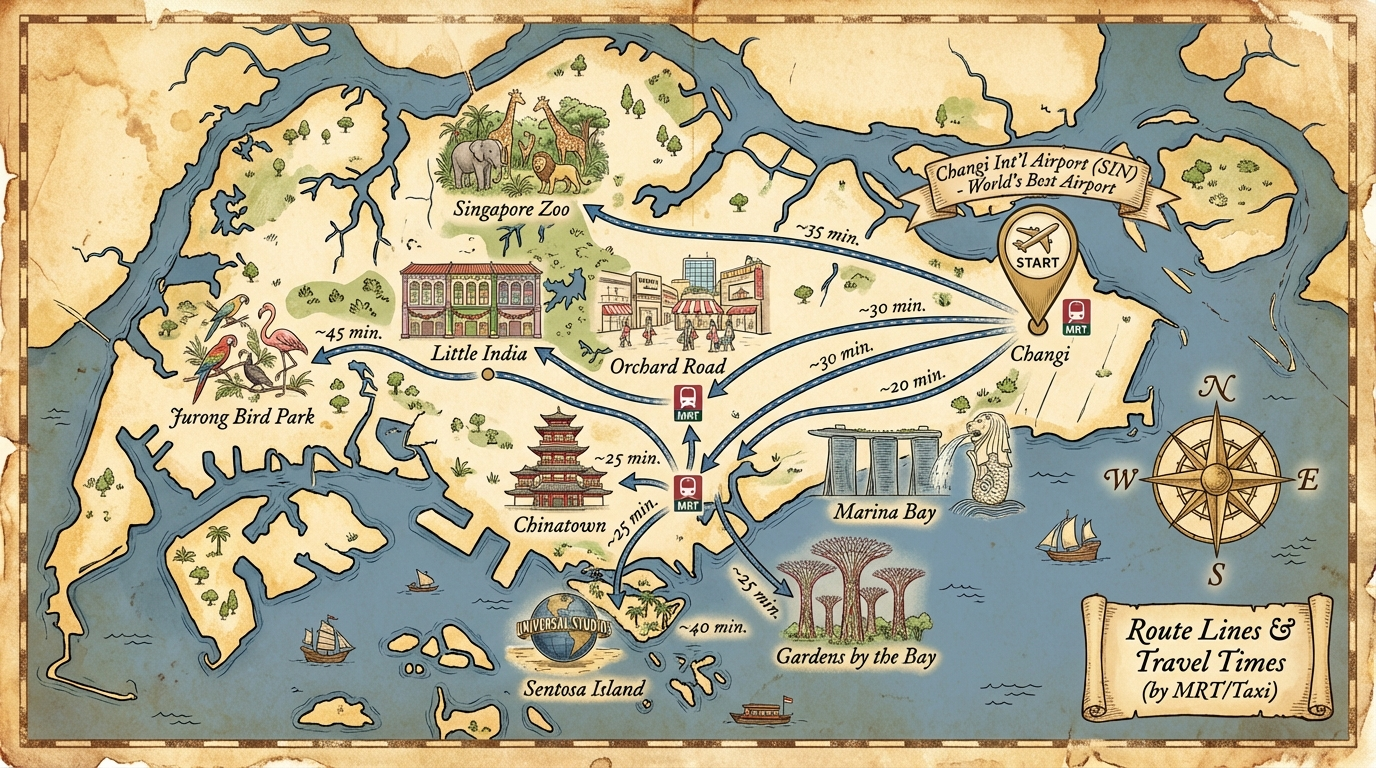
MRT (S$2-3): Easiest option. Changi Airport Station connects to East-West and Downtown lines. 30-45 min to city.
Taxi (S$25-40): Fixed booth at arrivals. Add surcharges for night/peak hours.
Grab (S$20-35): Book via app. Often cheaper than taxi, especially off-peak.
Airport Shuttle (S$10): Shared minibus to major hotels.
Weekend (2-3 days): Hit the highlights - Marina Bay, Gardens, one ethnic neighbourhood, hawker food.
4-5 days: Add Sentosa, zoo, and deeper exploration of neighbourhoods.
Week+: Day trips to Pulau Ubin, Johor Bahru (Malaysia), or Bintan (Indonesia).
1. Only eating at restaurants - hawker food is the real Singapore
2. Taking taxis everywhere - MRT is faster in rush hour
3. Skipping the "boring" neighbourhoods - Tiong Bahru and Joo Chiat are gems
4. Not booking attractions online - queues are brutal
Singapore's world-class transport system
Singapore's metro is fast, clean, air-conditioned, and goes almost everywhere. Six colour-coded lines serve 140+ stations. Trains run 5:30am-midnight (later on weekends). Single trip: S$1.50-2.50. Download the MRT map or use Google Maps.
EZ-Link Card (S$12): Stored-value card with S$7 credit. Buy at MRT stations. Also works on buses.
Singapore Tourist Pass (S$22/day): Unlimited MRT and bus travel. 1/2/3-day options. Worth it if you're constantly moving.
Contactless: Visa/Mastercard contactless and mobile wallets work at MRT and bus card readers.
Extensive network covering areas MRT doesn't reach. Air-conditioned. Pay with EZ-Link or contactless. Download SG Buses app for routes and arrival times. Fares: S$1-2.50 depending on distance.
Metered taxis are safe and reliable. Flag-down or taxi stands (no street hailing in CBD). Grab is often cheaper and always available. Add 25% surcharge during peak hours (7-9am, 5-8pm) and 50% late night (midnight-6am).
Central Singapore is surprisingly walkable. Air-conditioned underground passages connect MRT stations to malls. Use covered walkways (five-foot ways) for shade. Note: distances look small on maps but humidity makes long walks tiring.
When to go and what's happening
Chinese New Year transforms Chinatown with light-ups and lion dances. Chingay Parade is Asia's largest street parade. Some shops close for a week.
Driest months - perfect weather. World Gourmet Summit brings celebrity chefs. Easter celebrations at churches.
Great Singapore Sale offers 30-70% discounts. Vesak Day sees Buddhist temple celebrations. Dragon Boat Festival at Marina Bay.
Singapore Food Festival celebrates hawker culture. National Day (Aug 9) brings massive parade and fireworks. School holidays mean crowded attractions.
F1 Singapore Grand Prix - world's first night race. Marina Bay transforms into a street circuit. Book hotels months ahead.
Deepavali lights up Little India spectacularly. Mid-Autumn Festival brings mooncakes and Gardens by the Bay lantern displays.
Christmas is huge - Orchard Road's lights are legendary. New Year's Eve fireworks at Marina Bay. Monsoon season peaks.
Best weather: February-April | Best deals: May-July (GSS) | Best atmosphere: December (Christmas lights) | Avoid if on budget: F1 weekend (September), Chinese New Year
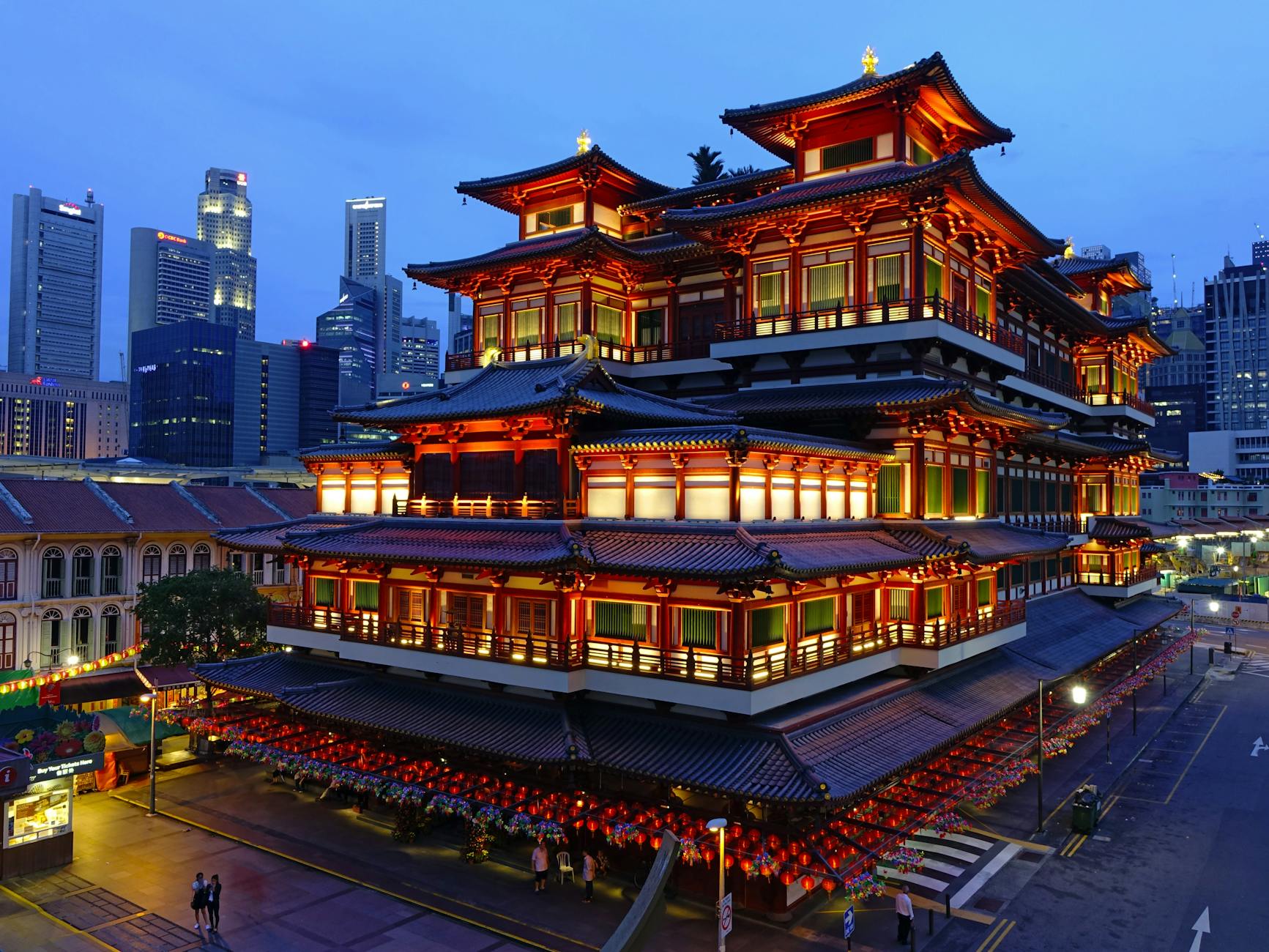
Chinese New Year celebrations light up Chinatown for weeks
Perfectly planned days in Singapore
Buy combo tickets on Klook for Gardens by the Bay + MBS SkyPark - saves 15-20% vs buying separately at the door.
Day 3 - Sentosa & Southern Islands: Cable car to Sentosa (S$35), Universal Studios OR S.E.A. Aquarium, beach afternoon at Palawan/Siloso, Wings of Time show (7:40pm).
Day 4 - Nature & Neighbourhoods: Morning at Singapore Botanic Gardens (free, UNESCO site), afternoon exploring Joo Chiat/Katong Peranakan heritage, evening sunset at Marina Barrage.
Day 5 - Wildlife: Full day at Mandai - Singapore Zoo morning, lunch at Ah Meng Restaurant, River Wonders afternoon, Night Safari evening (the highlight!).
Day 6 - Off the Beaten Path: Bumboat to Pulau Ubin for cycling adventure, afternoon at Changi Beach, explore Jewel Changi Airport's waterfall and forest.
Day 7 - Relaxation & Shopping: Morning at Orchard Road malls, afternoon spa treatment, farewell dinner at a hawker centre or splurge at a celebrity chef restaurant.
Day 1: Sentosa - Universal Studios, Adventure Cove Waterpark, beach time
Day 2: Singapore Zoo + River Wonders (skip Night Safari if kids are young)
Day 3: Gardens by the Bay (kids love Cloud Forest), ArtScience Museum Future World
Day 4: Jewel Changi playground and maze, Science Centre Singapore
Day 1: Maxwell Food Centre breakfast, Chinatown Complex lunch, Newton Food Centre dinner (chilli crab!)
Day 2: Tiong Bahru Market, Lau Pa Sat satay street, Old Airport Road hawker exploration
Day 3: Little India Tekka Centre, Michelin hawker stalls tour (Liao Fan, Hill Street Tai Hwa), rooftop bar cocktails
Singapore's glittering heart - where past meets future
Marina Bay is Singapore's showpiece - a purpose-built waterfront district that showcases the city-state's ambition. The area has been transformed from reclaimed swampland into an architectural wonderland featuring the world's most expensive building, Asia's largest floating stage, and gardens that look like they belong on another planet.
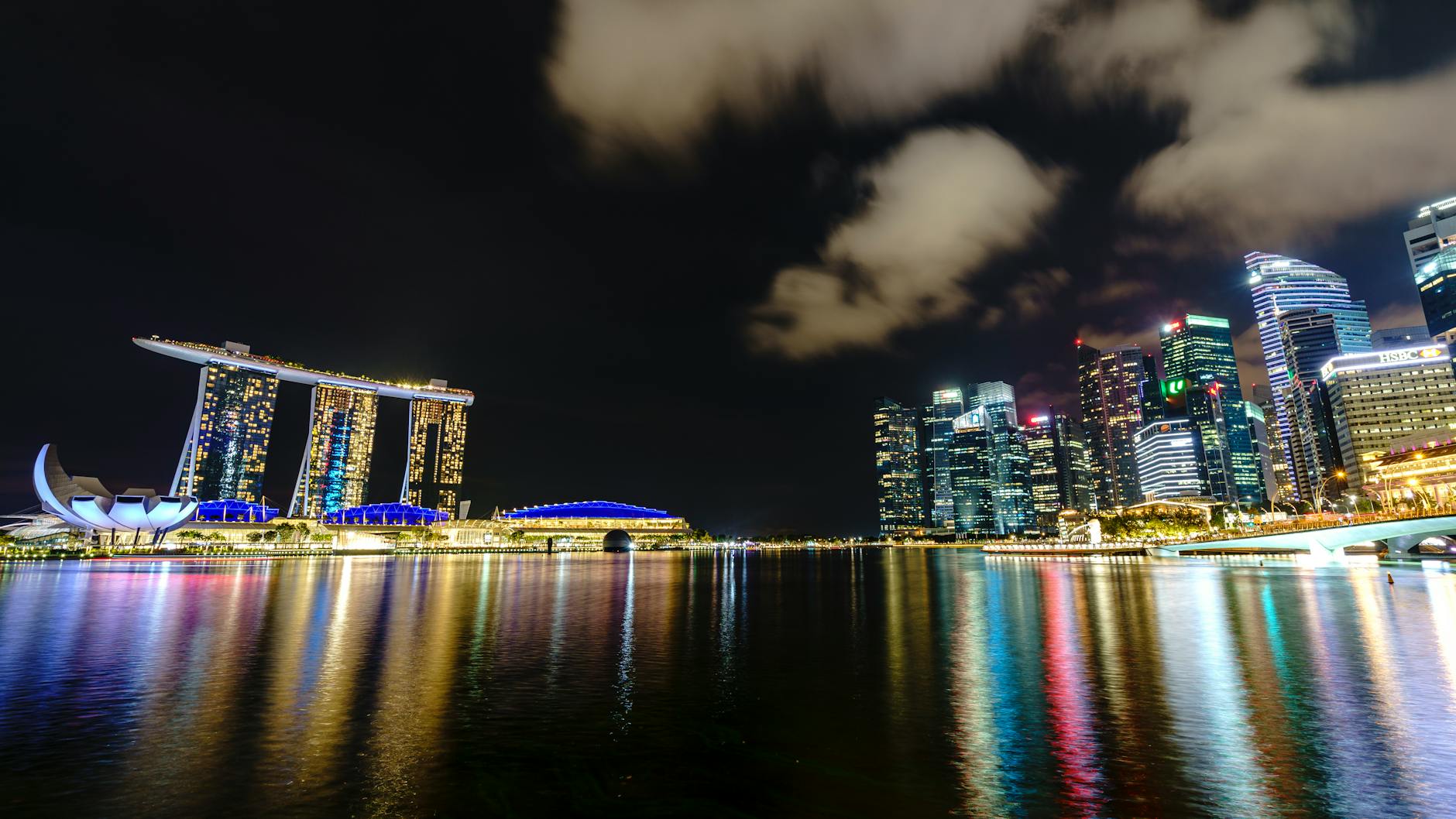
Walk the 3.5km loop around the bay and you'll pass colonial-era monuments, the cricket club where expats still play in whites, and futuristic skyscrapers that light up the night sky. This is Singapore at its most iconic.
Marina Bay Sands (p.17) - Iconic triple-tower hotel with SkyPark observation deck, celebrity chef restaurants, and world's largest rooftop infinity pool (guests only).
Gardens by the Bay (p.18) - 101-hectare nature park with Supertree Grove, Cloud Forest dome, and Flower Dome. Free outdoor areas; conservatories S$32.
Merlion Park - Singapore's half-lion, half-fish mascot spouts water into the bay 24/7. Touristy but essential. Best photos at night with MBS backdrop.
ArtScience Museum - Lotus-shaped building with rotating exhibitions blending art and technology. The permanent Future World is a must for families.
Helix Bridge - DNA-inspired pedestrian bridge connecting Marina Centre to MBS. Beautiful at night with LED lighting.
For the best skyline photos without crowds, head to the Fullerton Bay Hotel rooftop bar Lantern. The view across to MBS is spectacular, especially at sunset. Cocktails from S$25.
The building that redefined Singapore's skyline
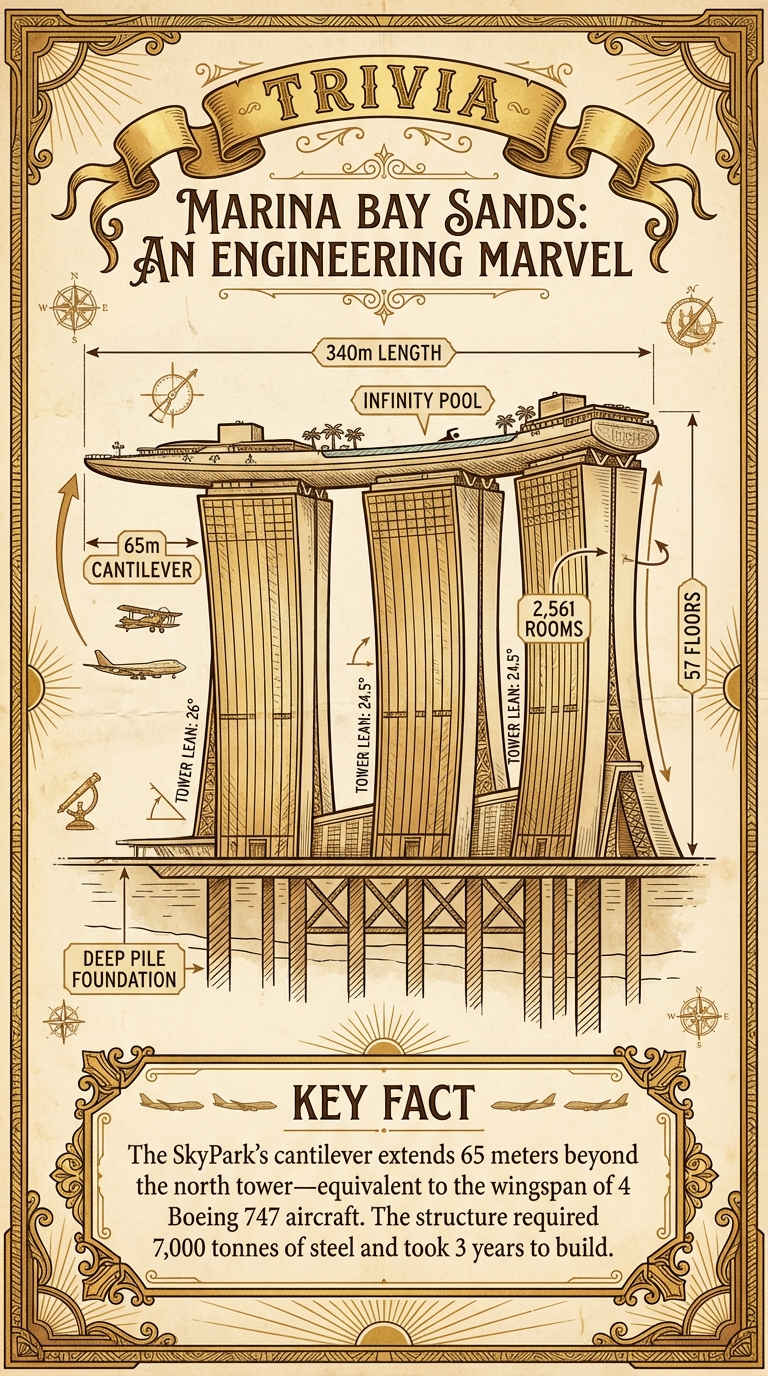
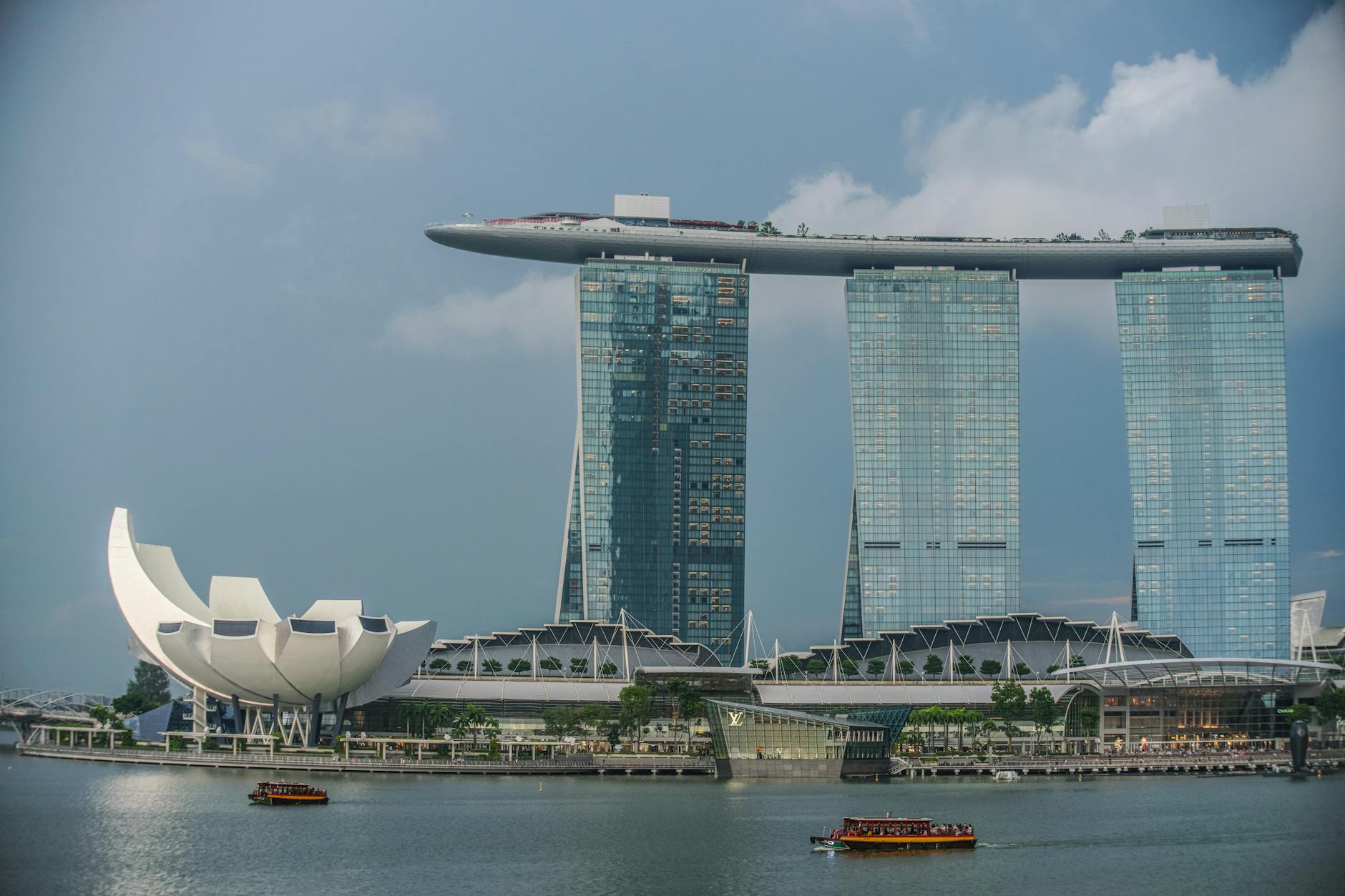
Marina Bay Sands' triple towers and SkyPark - the world's most expensive standalone casino property
Designed by Moshe Safdie and completed in 2010 at a cost of US$5.7 billion, Marina Bay Sands is far more than a hotel. The three 55-storey towers connected by the 340-metre SkyPark have become Singapore's most recognizable landmark.
The SkyPark observation deck on level 57 offers 360-degree views of the city, harbour, and Indonesia's Riau Islands. The famous infinity pool - at 150 metres, the world's longest elevated pool - is exclusively for hotel guests, giving you one more reason to splurge on a stay.
SkyPark Observation Deck (S$26): Open 11am-9pm. Best at sunset. Book online to skip queues. Non-guests cannot access the pool area.
The Shoppes at MBS: 800+ stores including Louis Vuitton's floating crystal pavilion. The canal running through the mall offers sampan boat rides (S$10).
Casino: Open 24/7. Foreigners enter free; locals pay S$150. Smart casual dress code. 600+ table games, 1,500 slot machines.
Celebrity Chef Restaurants: Wolfgang Puck's CUT, Gordon Ramsay's Bread Street Kitchen, db Bistro by Daniel Boulud, and Waku Ghin by Tetsuya Wakuda.
Rooms start from S$450/night for a Deluxe Room. Club rooms (S$650+) include lounge access. The Chairman Suite costs S$15,000/night. Book direct for best rates and infinity pool access.
Can't afford to stay? Book a day pass at Banyan Tree Spa (from S$180) which includes pool access. Or visit Ce La Vi SkyBar (no cover charge) for cocktails with the same view.
Where nature meets technology
Spanning 101 hectares of reclaimed land, Gardens by the Bay is Singapore's most ambitious green project. The park's 18 Supertrees - vertical gardens standing 25 to 50 metres tall - have become symbols of the city's commitment to sustainability and innovation.
The Supertrees are working environmental engines: they collect rainwater, generate solar power through photovoltaic cells, and act as venting ducts for the conservatories below. At night, they transform into a dazzling light show.
The main cluster of 12 Supertrees is open 24 hours. Walk the OCBC Skyway (S$14), a 128-metre aerial walkway connecting two of the tallest trees at 22 metres above ground. The views of MBS and the city are spectacular. Best visited at dusk to catch both daylight and the light show.
Enter to find the world's tallest indoor waterfall at 35 metres plunging through a misty mountain covered in orchids, ferns, and pitcher plants. The Cloud Walk and Treetop Walk offer aerial views through the cloud-shrouded canopy. Temperature: a cool 23-25°C.
The world's largest glass greenhouse replicates the cool-dry Mediterranean climate. Nine themed gardens feature plants from five continents. The central display changes seasonally - tulips in spring, poinsettias at Christmas, cherry blossoms in February.
Free nightly light and sound show at 7:45pm and 8:45pm. Bring a mat and lie on the grass looking up at the illuminated Supertrees. The 15-minute show synchronizes music with LED lights across all 12 trees.
Marina Bay's best tables and bars
Waku Ghin ($$$$): Tetsuya Wakuda's 10-course degustation at MBS. Japanese-European fusion. Book weeks ahead. S$450/person.
CUT by Wolfgang Puck ($$$): Premium steakhouse at MBS. Australian wagyu, USDA prime. S$150-300/person.
Odette ($$$): 3 Michelin stars at National Gallery. French cuisine by Julien Royer. S$388/person for lunch degustation.
Bread Street Kitchen ($$): Gordon Ramsay's casual British fare at MBS. Fish and chips, beef Wellington. S$40-80/person.
Satay by the Bay ($): Open-air hawker centre in Gardens by the Bay. Excellent satay, BBQ seafood, and local dishes. S$10-20/person.
Rasapura Masters ($): Food court in MBS basement with quality hawker-style stalls. S$8-15/person.
Ce La Vi: MBS rooftop. No cover on weekdays. Cocktails S$28+. Incredible sunset views.
Lantern at Fullerton Bay: Sophisticated rooftop with MBS views. Cocktails S$25+.
Level 33: World's highest urban craft brewery. Beer flights S$35. Stunning bay views.
Makansutra Gluttons Bay: Outdoor hawker stalls along the Esplanade waterfront. Stingray, carrot cake, oyster omelette. S$5-12/dish.
Skip the overpriced MBS restaurants and walk 10 minutes to Lau Pa Sat (Telok Ayer), a stunning Victorian hawker centre. At 7pm, Boon Tat Street closes for the famous satay strip. 10 sticks for S$7.
A 3.5km loop around Singapore's waterfront heart
Start: Merlion Park - Singapore's mascot, the 8.6m Merlion statue spouting water. Best MBS photo spot. Walk along the waterfront promenade.
The Fullerton Hotel - Neoclassical 1928 General Post Office, now a luxury hotel. Step inside for the grand lobby. Free heritage gallery in basement.
Esplanade - Theatres on the Bay - Nicknamed "the durians" for their spiky shells. Free concerts at the outdoor theatre most evenings. Rooftop garden has excellent bay views.
Helix Bridge - Walk across this DNA-inspired pedestrian bridge (280m). Viewing platforms offer perfect photo angles of the skyline.
Marina Bay Sands - Enter through The Shoppes, ride the sampan, visit the observation deck (S$26).
Gardens by the Bay - Cross the Dragonfly Bridge into the gardens. Time your arrival for the 7:45pm light show.
Marina Barrage - End at this reservoir dam with the best panoramic city view. Locals fly kites on the rooftop grass.
Fascinating facts about Singapore's waterfront
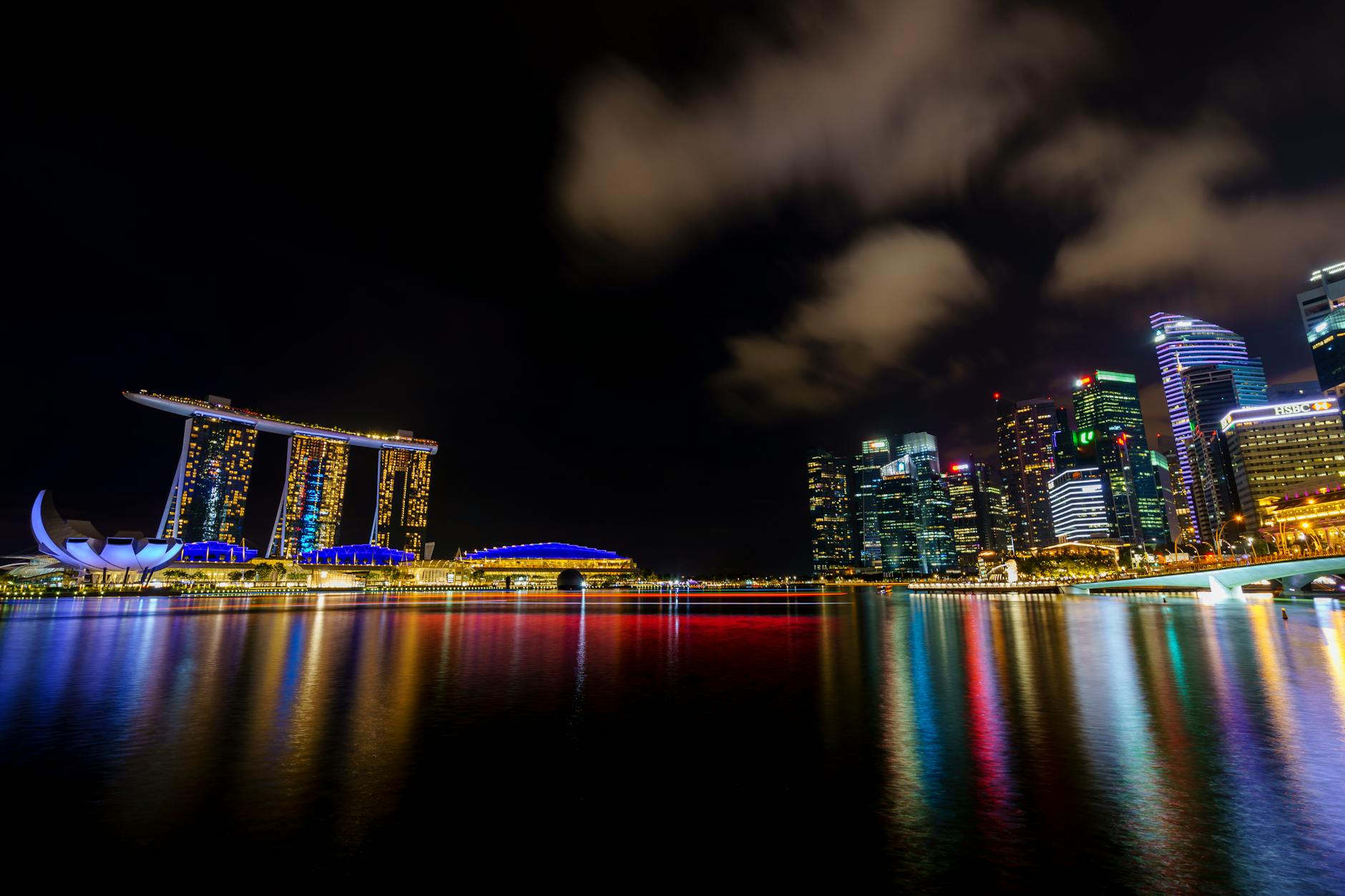
Marina Bay Sands - the world's most expensive building
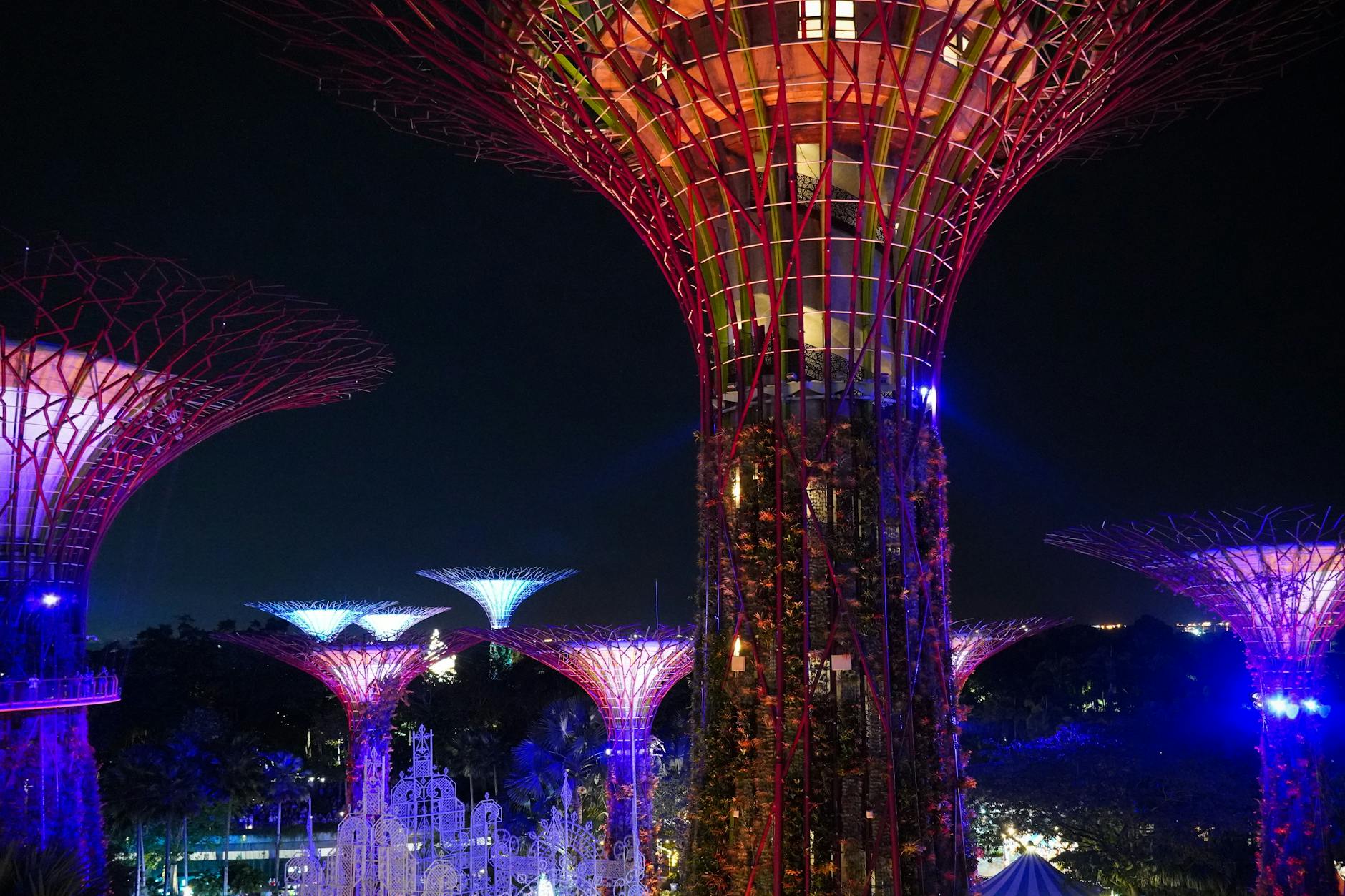
Supertrees - 25-50m vertical gardens
The many faces of the Lion City
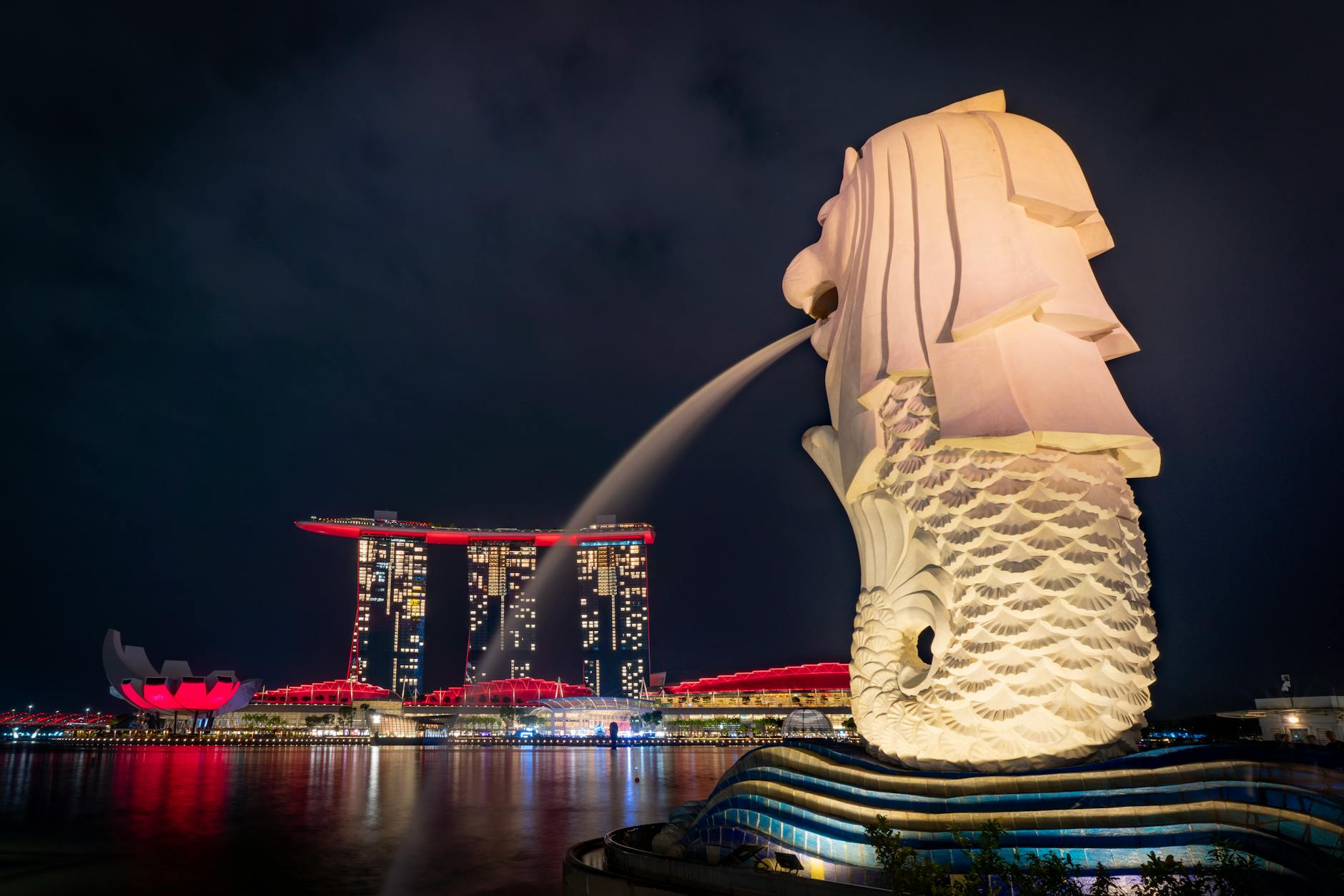
The Merlion - Singapore's iconic mascot
Marina Bay skyline at dusk
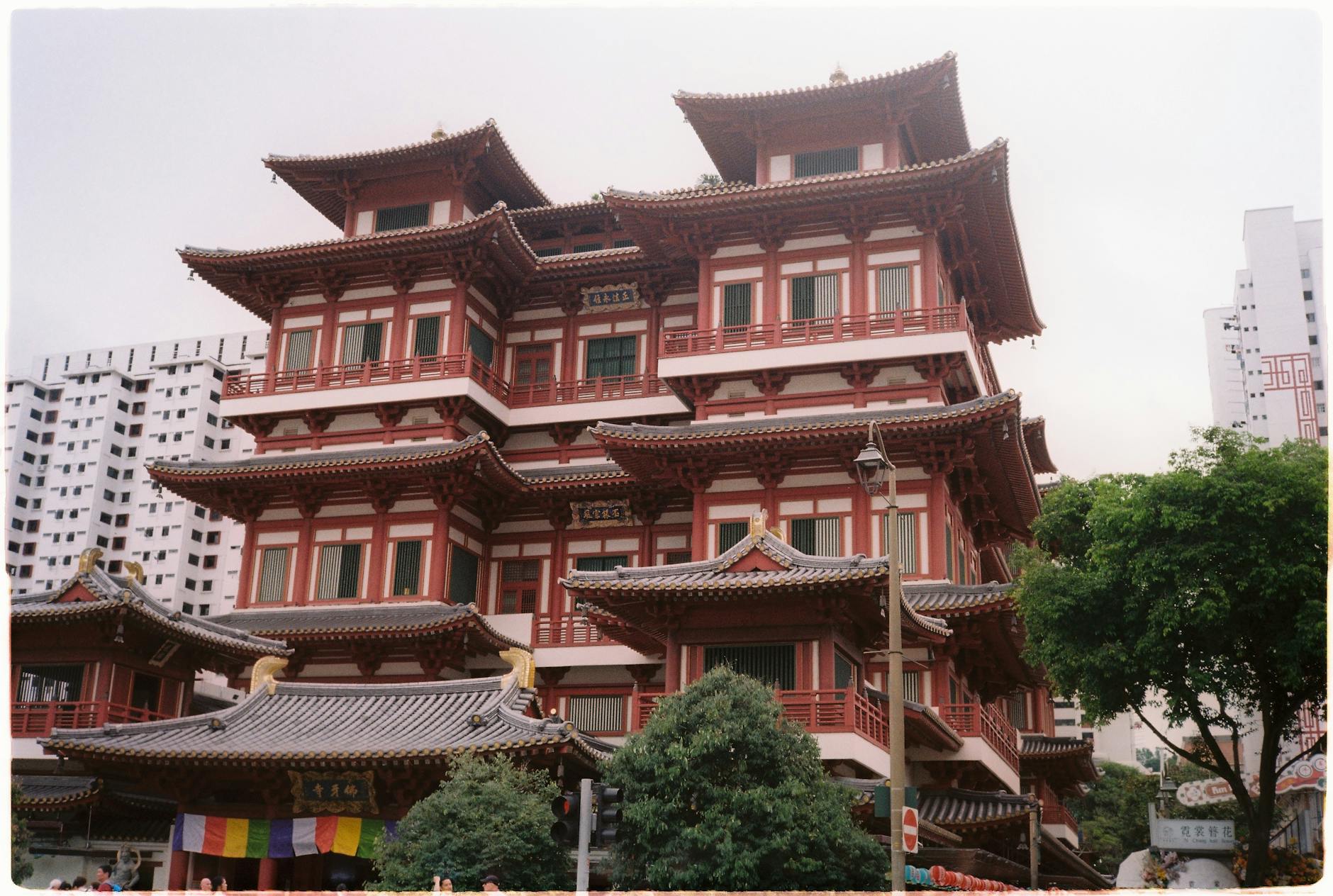
Chinatown heritage
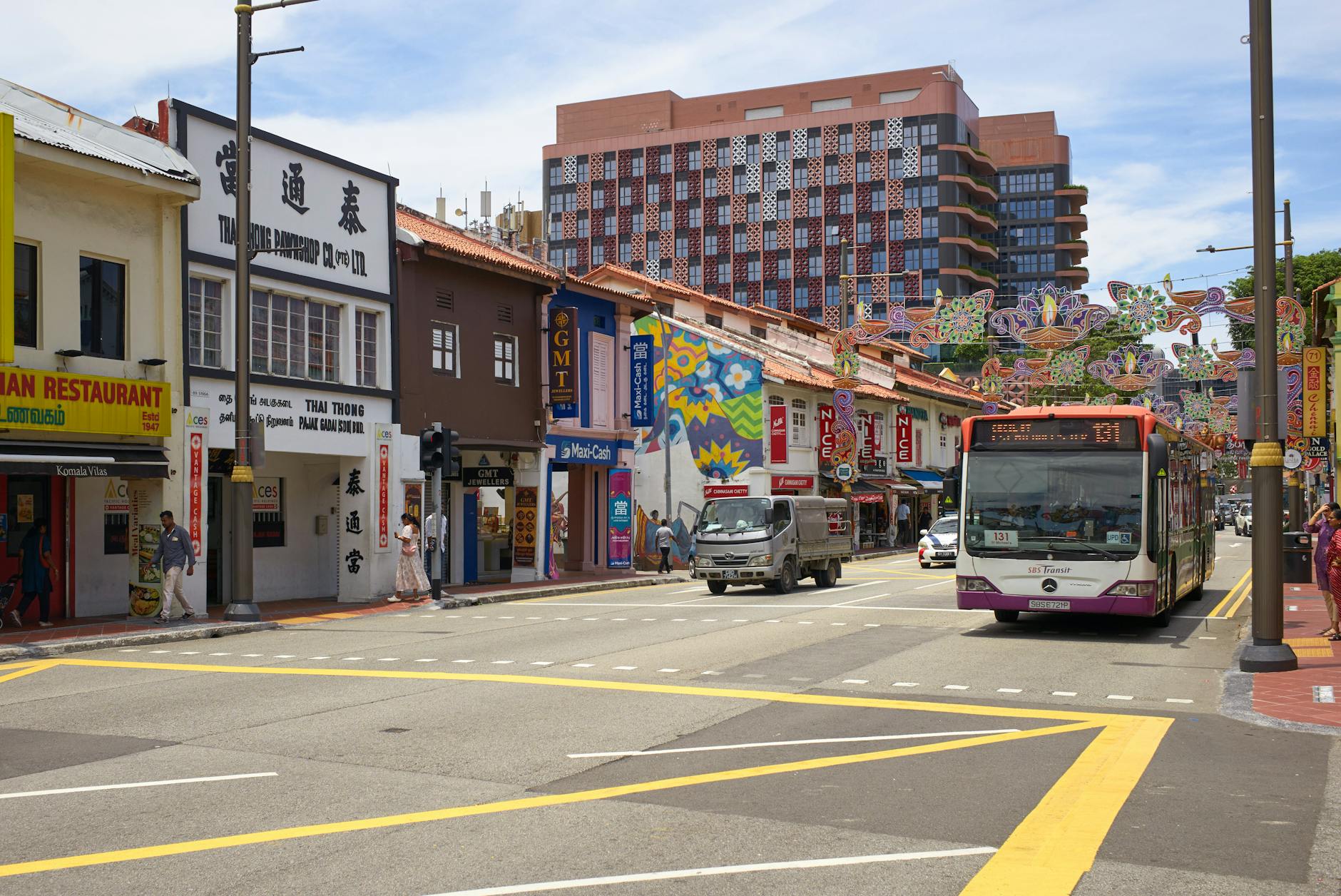
Colourful Little India
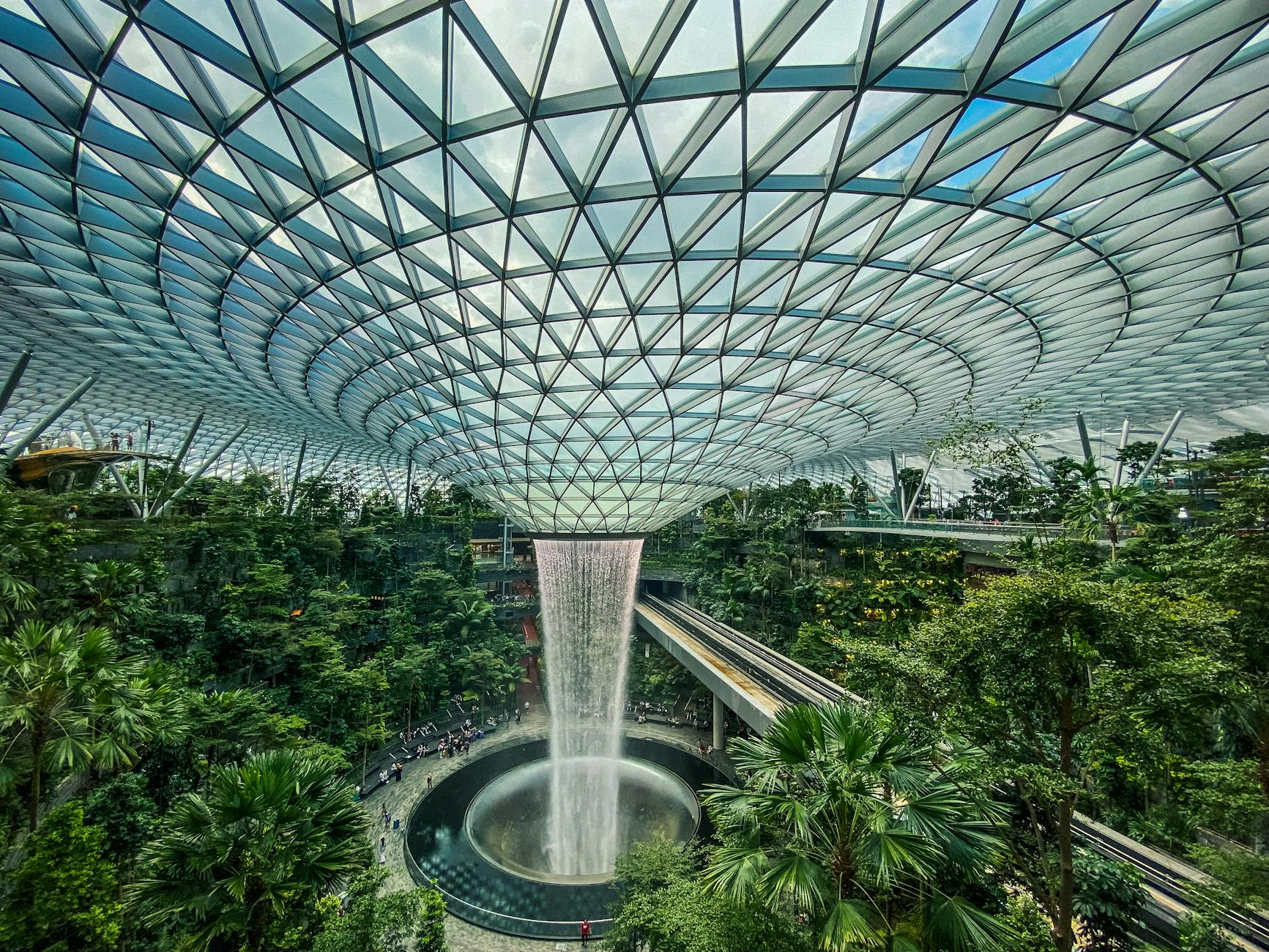
Jewel Changi waterfall
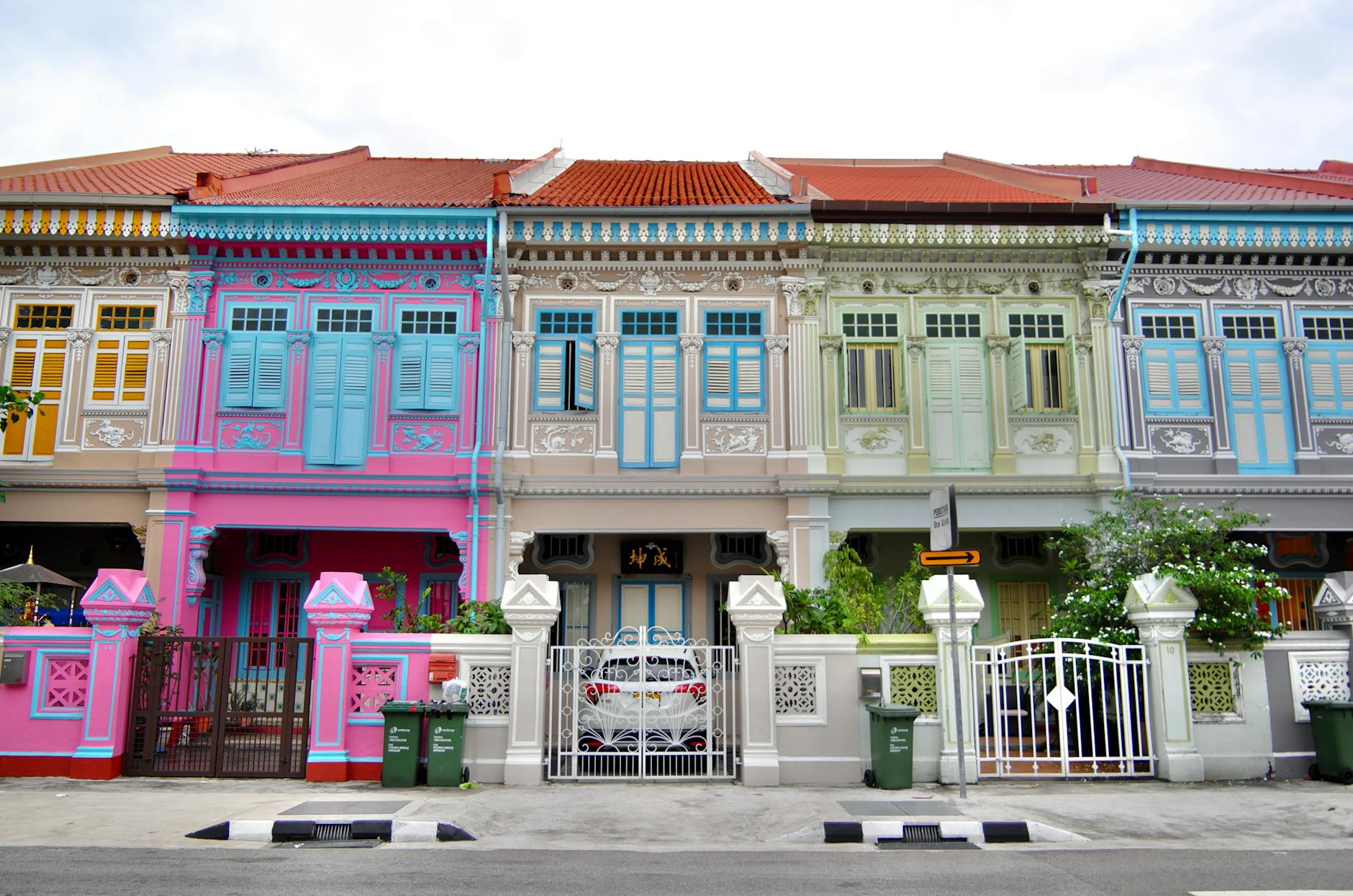
Peranakan shophouses in Joo Chiat
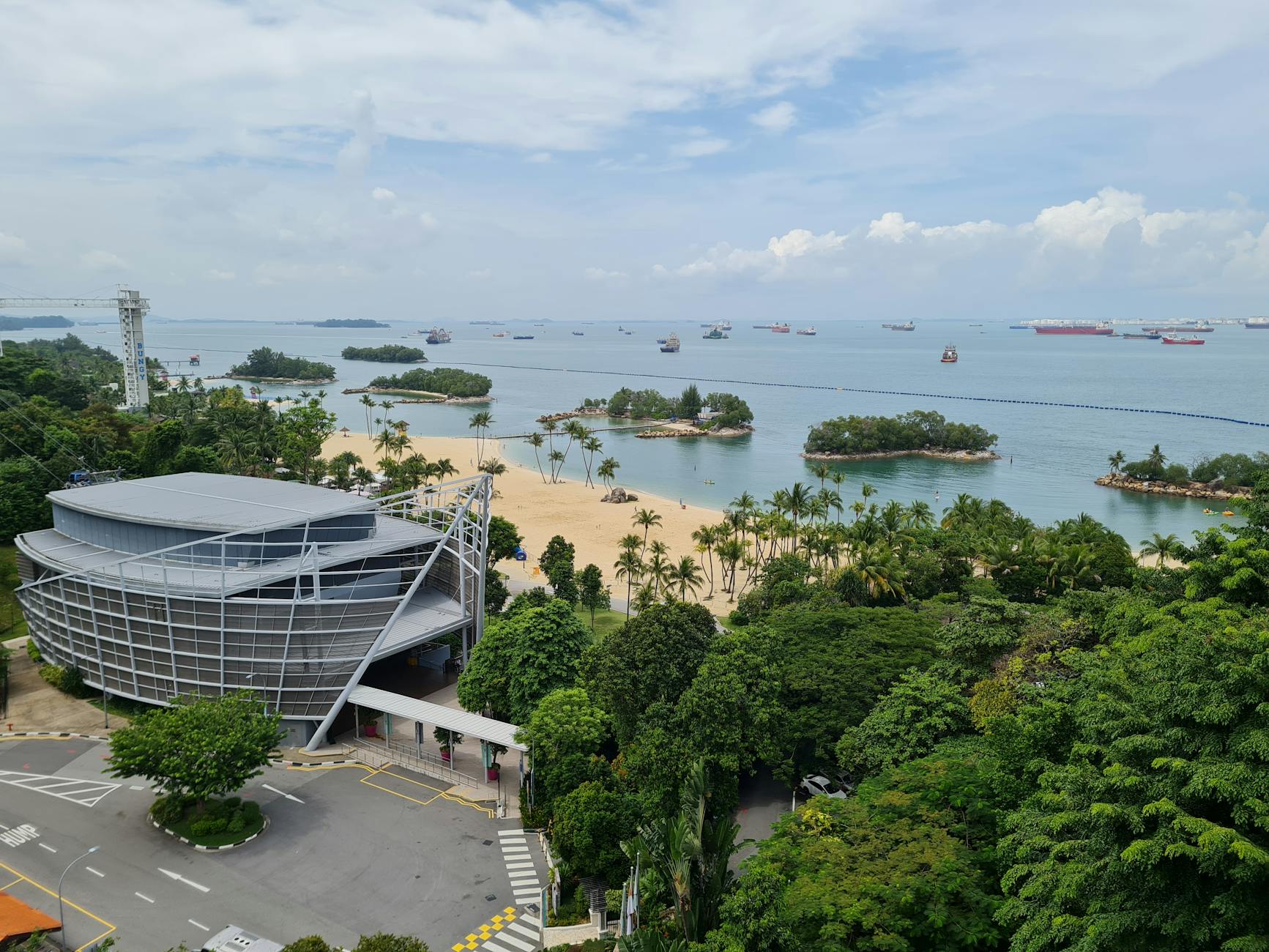
Sentosa Island beaches
Behind the restored shophouse facades and beneath the towering glass skyscrapers lies Singapore's most culturally rich neighbourhood - where Buddhist temples sit beside Hindu shrines, and Michelin-starred hawker stalls serve $4 meals to bankers on lunch break.
Heritage, temples, and the best food streets
Singapore's Chinatown is unlike any other in the world. Designated by Stamford Raffles in 1822 as the Chinese quarter, it was once a gritty enclave of coolies, opium dens, and secret societies. Today, it's a beautifully restored heritage district where pastel-coloured shophouses line narrow lanes and ancient temples coexist with trendy cocktail bars.
The area divides naturally into sub-districts: the touristy Pagoda Street corridor, the foodie paradise of Smith and Keong Saik streets, the temple quarter around South Bridge Road, and the modern Tanjong Pagar area where young professionals gather in converted shophouse bars.
Buddha Tooth Relic Temple: This stunning 2007 Buddhist temple houses a tooth relic of the Buddha in a 420kg gold stupa on the 4th floor. The rooftop garden has a prayer wheel and orchid garden. Free entry; respectful dress required.
Sri Mariamman Temple: Singapore's oldest Hindu temple (1827). The ornate gopuram (entrance tower) is covered in hundreds of colourful deity figures. Free entry; shoes off. During Theemithi festival (October), devotees walk on fire.
Chinatown Heritage Centre: Three restored shophouses recreate the cramped living conditions of early Chinese immigrants. Fascinating and moving. S$18.
Keong Saik Road: The hippest street in Chinatown. Former red-light district now packed with boutique hotels, craft cocktail bars, and excellent restaurants.
Ann Siang Hill: Steep lane of shophouses with indie boutiques, specialty coffee, and rooftop bars. Quiet by day, buzzing at night.
Club Street: Wine bars and Italian restaurants in heritage buildings. Saturday morning walking market.
Sacred spaces and living history

288 South Bridge Rd | Free
Tang dynasty-style temple with museum, rooftop garden, and golden prayer hall. Open 7am-7pm.

244 South Bridge Rd | Free
Singapore's oldest Hindu temple. Ornate gopuram, painted ceiling murals. Photography S$3.

158 Telok Ayer St | Free
1840 Hokkien temple built without nails. Once overlooked the sea. National monument with stunning roof dragons.

48 Pagoda St | S$18
Walk through recreated shophouses showing immigrant life. Cramped cubicles, opium dens, samsui women stories.
This 1km self-guided walk along Telok Ayer Street traces Singapore's immigrant history. The street once ran along the waterfront before land reclamation pushed the sea 500 metres away. Temples from every faith line the route: Hokkien, Teochew, Muslim, and Indian - a microcosm of Singapore's multicultural DNA.
Located in a colonial-era traffic police headquarters, this museum showcases award-winning product designs from around the world. The striking red building itself is worth a photo. S$8 entry, free on Fridays.
The best shophouse photos are on Keong Saik Road early morning (before 8am) when streets are empty and light is soft. For temple photography, visit Buddha Tooth Relic Temple at 7am during morning prayers for atmospheric incense smoke shots.
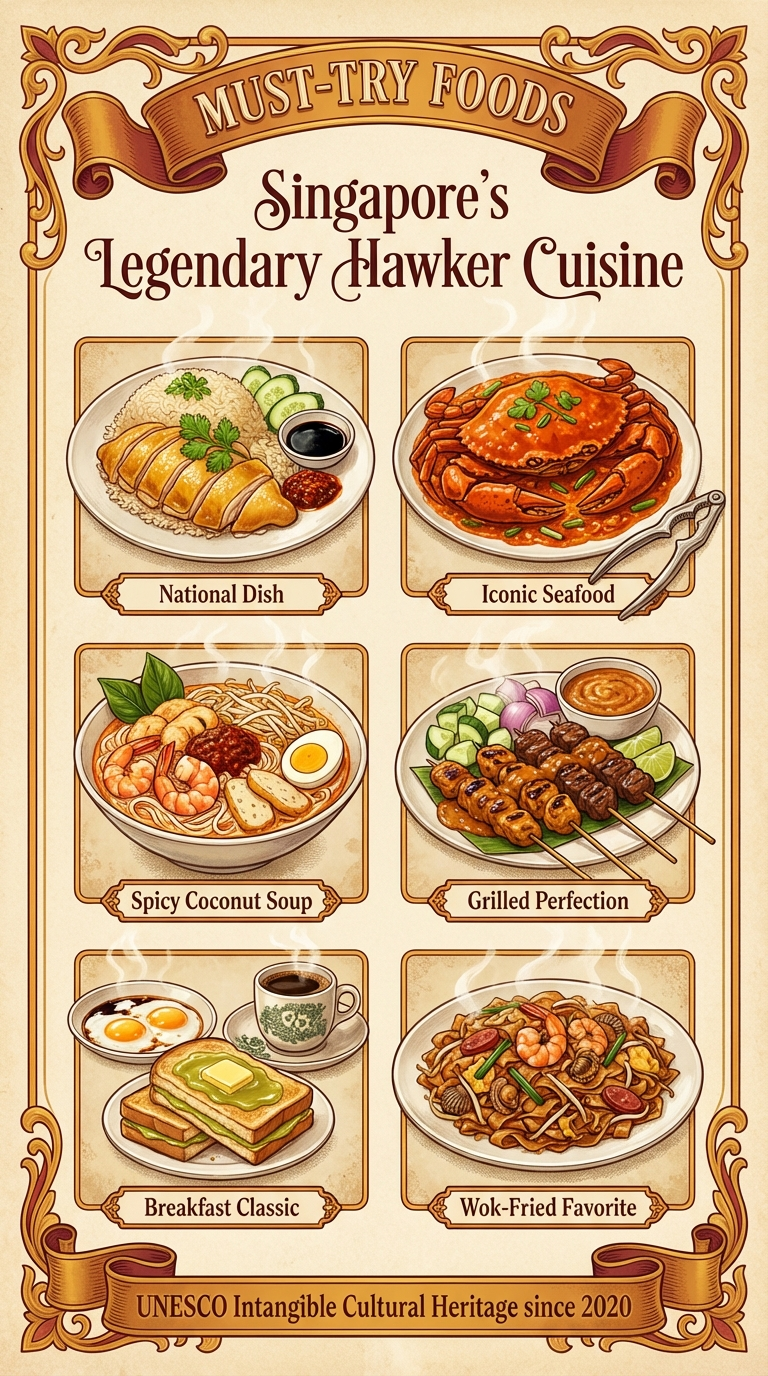
Chinatown's legendary food scene
Singapore's most famous hawker centre, home to Tian Tian Chicken Rice (stall #10). Anthony Bourdain called it "the best chicken rice in the universe." Queue for 30 minutes; worth every minute. Other must-tries: Zhen Zhen Porridge (#54), Rojak (#44), Maxwell Fuzhou Oyster Cake (#5).
The largest hawker centre in Singapore with 260+ stalls across two floors. Less touristy than Maxwell. Highlights: Liao Fan Hawker Chan (world's cheapest Michelin-starred meal - soya sauce chicken rice S$3.80), Jin Ji Teochew Braised Duck, and Zhong Guo La Mian Xiao Long Bao.
Partially pedestrianised street with outdoor tables and a mix of hawker stalls and restaurants. Try the BBQ seafood, claypot rice, and Hainanese curry rice. Best visited in the evening when the atmosphere comes alive.
Burnt Ends ($$$$): Australian-style BBQ with two Michelin stars. Book 2 months ahead via Resy.
Meta ($$$$): One Michelin star Korean-French fusion by Chef Sun Kim.
Potato Head ($$$): Three-storey social house with burgers, cocktails, and a rooftop tiki bar.
Reserve seats with tissue packets (the "chope" system). Order from different stalls and bring food back to your seat. Return trays when done. Tipping is not necessary. Peak hours: 11:30am-1:30pm and 6-8pm.
Where heritage meets modern nightlife
Tanjong Pagar, at Chinatown's southern edge, is Singapore's hottest neighbourhood. Once the dockworking quarter, its rows of conservation shophouses now host the city's best cocktail bars, innovative restaurants, and boutique fitness studios. This is where young Singapore comes to play.
Jigger & Pony: Asia's Best Bar 2020. Classic cocktails in a refined shophouse setting. Try the signature Jigger & Pony Sling. Reservations recommended. Cocktails S$25+.
Nutmeg & Clove: Singapore-inspired cocktails using local ingredients like pandan, gula melaka, and laksa leaf. Hidden upstairs on Ann Siang Road. S$22+.
Operation Dagger: Underground speakeasy on Ann Siang Hill. No menu - bartenders create drinks based on your flavour preferences. S$24+.
Gibson: World's #8 bar. Japanese-influenced cocktails in a moody, intimate space. S$26+.
Nouri ($$$): "Crossroads cooking" by Israeli chef Ivan Brehm. One Michelin star. S$188 set menu.
Ding Dong ($$): Southeast Asian sharing plates and creative cocktails. Fun, loud, excellent. S$40-60/person.
A Noodle Story ($): Singapore-style ramen at Amoy Street Food Centre. Michelin Bib Gourmand. S$8.
Singapore's Central Business District towers over Chinatown. Visit CapitaSpring's 51st floor Sky Garden (free, open to public) for vertigo-inducing views, and the 17th floor Green Oasis, an urban farm growing vegetables for the building's restaurants.
Singapore's UNESCO-listed culinary heritage
In 2020, Singapore's hawker culture was inscribed on UNESCO's Representative List of the Intangible Cultural Heritage of Humanity. This recognition celebrated what Singaporeans have known for generations: that their hawker centres are the soul of the nation - democratic, multicultural spaces where everyone eats side by side.
Singapore has over 110 hawker centres with 6,000+ stalls. These government-run open-air food courts serve dishes from every community: Chinese, Malay, Indian, Peranakan, and everything in between. Prices are subsidised by the government to keep food affordable for all.
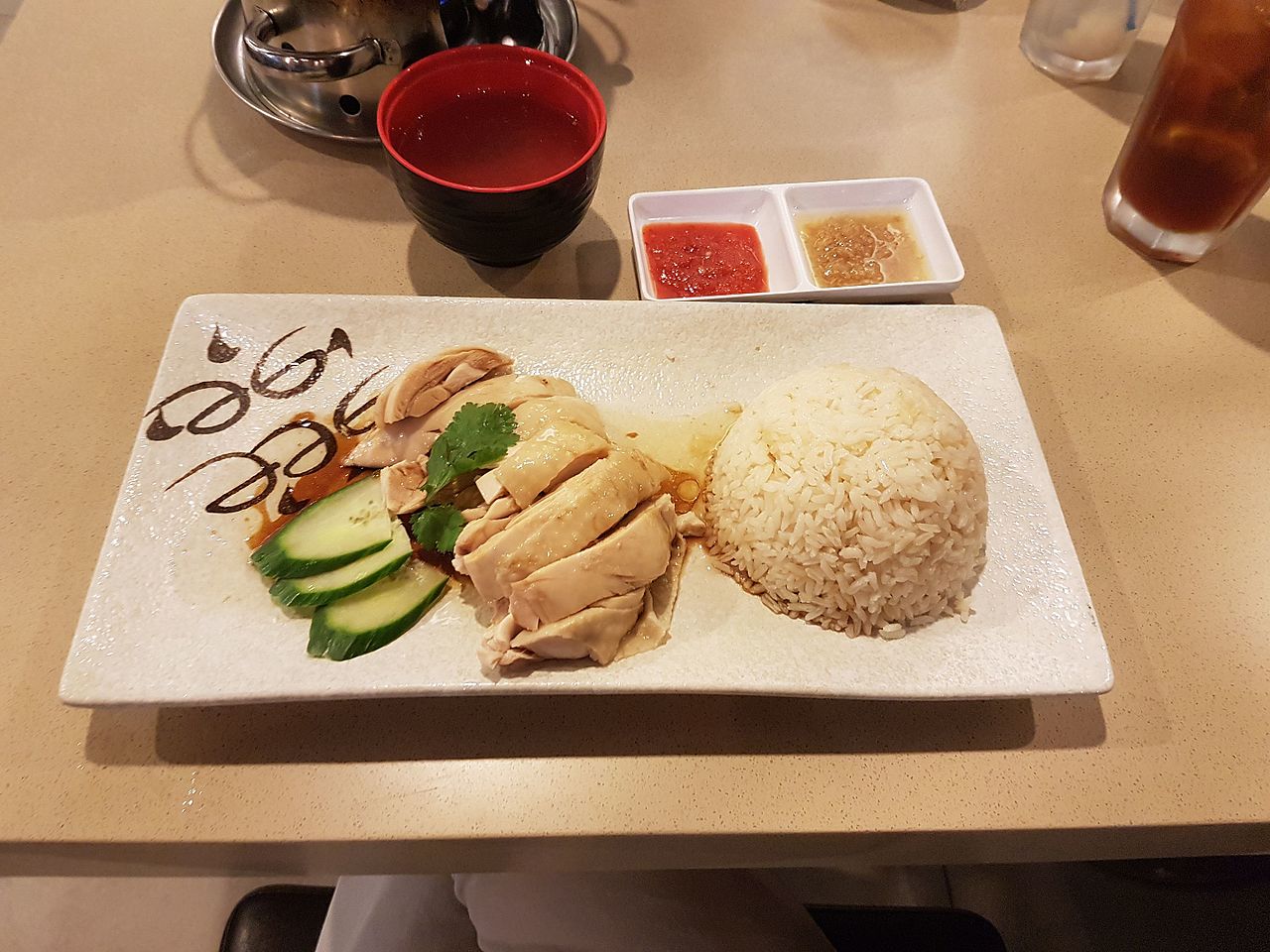
Chicken Rice (S$4-6): Poached or roasted chicken with fragrant rice cooked in chicken fat and pandan. Served with chilli and ginger sauce. Singapore's national dish.
Laksa (S$4-6): Rich coconut curry noodle soup with prawns, fish cake, and cockles. Katong laksa cuts noodles short so you eat with a spoon only.
Char Kway Teow (S$4-5): Wok-fried flat rice noodles with Chinese sausage, eggs, cockles, and bean sprouts in dark soy sauce. The "wok hei" (breath of the wok) flavour is everything.
Satay (S$0.70/stick): Skewered and grilled meat (chicken, beef, mutton) served with peanut sauce, rice cakes, and cucumber-onion relish. Order at least 10 sticks.
Roti Prata (S$1.50-3): Flaky Indian flatbread served with curry dipping sauce. Order plain, egg, cheese, or the decadent "murtabak" with minced meat filling.
Chilli Crab (S$50-80/kg): Singapore's most famous seafood dish. Mud crab in sweet-spicy tomato-chilli sauce. Eat with mantou (fried buns) to soak up the sauce.
A visual feast of hawker favourites
Hainanese Chicken Rice - Singapore's national dish (S$4-6)
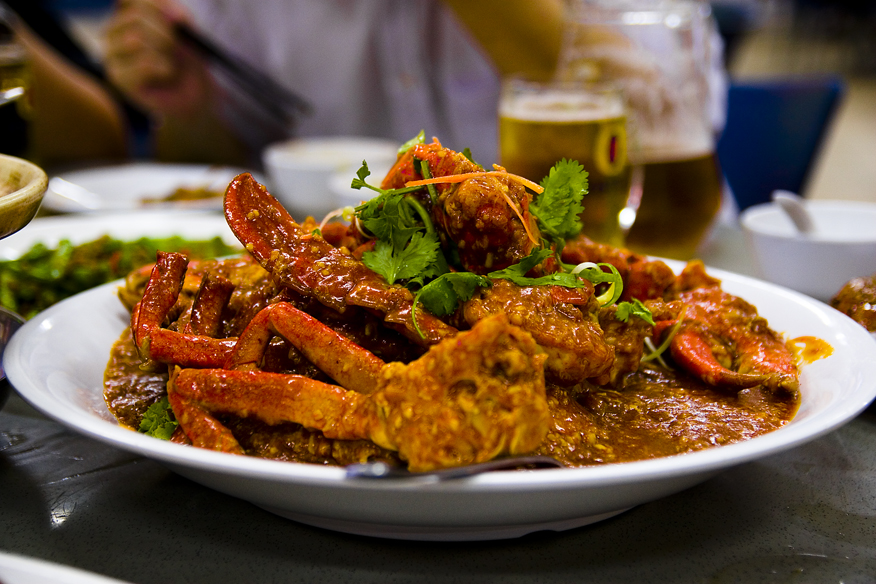
Chilli Crab - sweet, spicy, and messy perfection (S$50-80/kg)
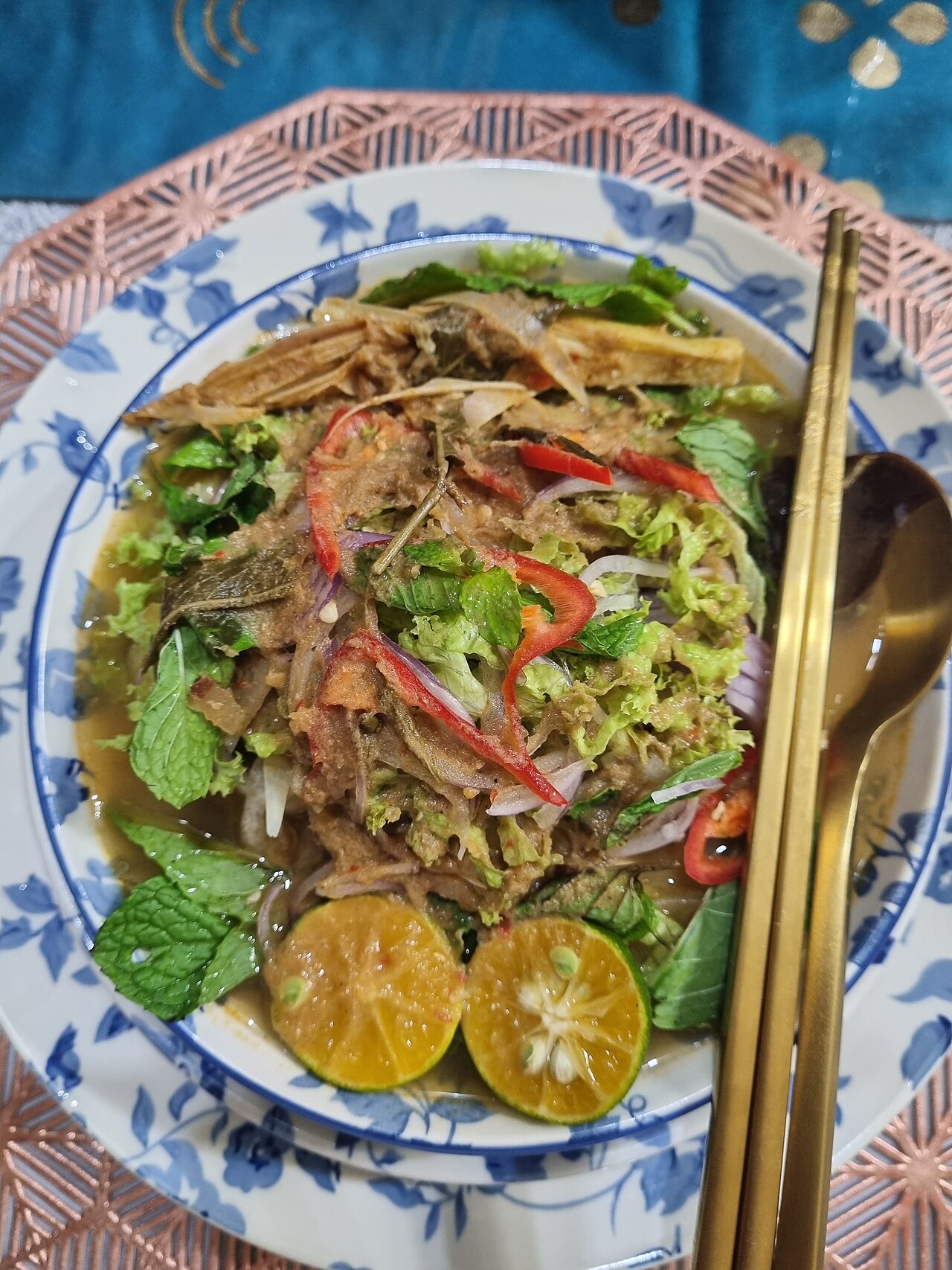
Laksa (S$4-6)
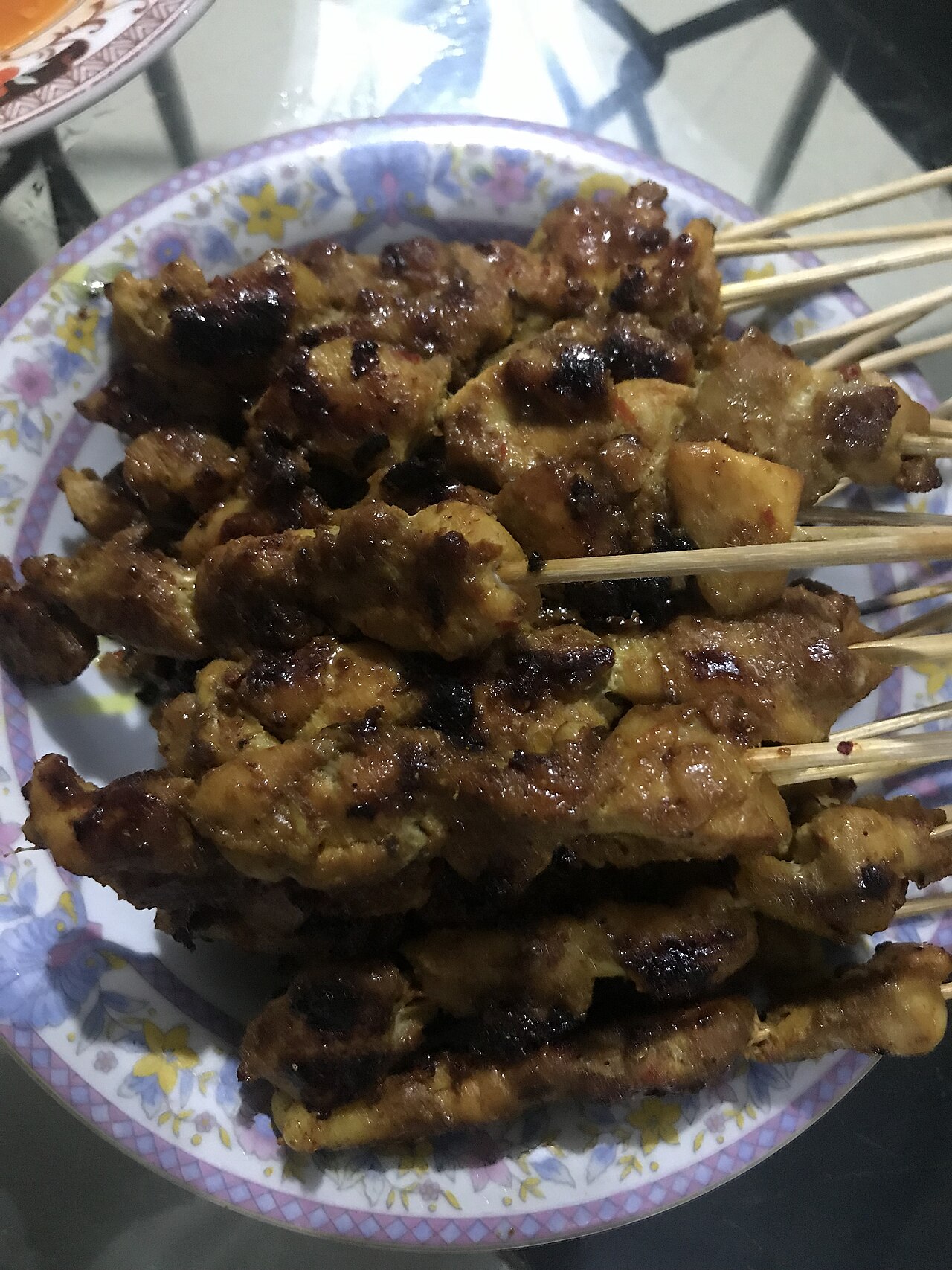
Satay (S$0.70/stick)
Hawker Centre life
Bak Chor Mee (S$4-6): Minced pork noodles tossed in vinegar and chilli sauce. The "dry" version is the classic. Best at Tai Wah Pork Noodle (Michelin Bib Gourmand).
Hokkien Mee (S$5-8): Prawn noodles stir-fried in rich stock and served with sambal chilli and lime. The caramelised, smoky flavour comes from patient wok work.
Wanton Mee (S$4-5): Springy egg noodles with roasted pork, dumplings, and chilli sauce. Try it "dry" (tossed) rather than in soup.
Fish Head Curry (S$20-30): Massive fish head simmered in spicy curry with lady's fingers and eggplant. Shared dish. Don't skip the cheeks - they're the best part.
Nasi Lemak (S$3-5): Coconut rice with sambal, fried chicken wing, fried fish, egg, peanuts, and ikan bilis (anchovies). Singapore's favourite breakfast.
Claypot Rice (S$6-10): Rice cooked in a claypot with Chinese sausage, salted fish, and dark soy. The crispy rice crust at the bottom is the prize. 20-minute wait typical.
Biryani (S$6-8): Fragrant basmati rice layered with spiced mutton or chicken. Best at Zam Zam on North Bridge Road (since 1908).
Kaya Toast & Eggs (S$4): Charcoal-toasted bread with kaya (coconut jam) and butter, served with soft-boiled eggs and kopi (coffee). The Singaporean breakfast. Ya Kun and Toast Box are the classics.
Rojak (S$4): Fruit and vegetable salad tossed in thick, sweet shrimp paste. Crunchy, sweet, savoury, and pungent all at once.
Ice Kacang (S$2-3): Shaved ice mountain topped with red beans, jelly, corn, and drowned in coloured syrups and evaporated milk. Perfect for the heat.
Chendol (S$2-3): Green pandan jelly noodles in coconut milk with palm sugar syrup and red beans over shaved ice.
Singapore has 3 Michelin-starred hawker stalls: Liao Fan Hawker Chan (soy sauce chicken, S$3.80), Hill Street Tai Hwa Pork Noodle (bak chor mee, S$8), and Tai Wah Pork Noodle (S$6). Queue times: 30-60 minutes. Worth it.
Where to find the tastiest stalls
| Hawker Centre | Location | MRT | Famous For |
|---|---|---|---|
| Maxwell Food Centre | Chinatown | Chinatown | Tian Tian Chicken Rice, Zhen Zhen Porridge |
| Chinatown Complex | Chinatown | Chinatown | Liao Fan Chicken, largest hawker centre |
| Old Airport Road | Geylang | Dakota | Dong Ji Fried Kway Teow, Nam Sing Hokkien |
| Tiong Bahru Market | Tiong Bahru | Tiong Bahru | Chwee Kueh, Lor Mee, Jian Bo Shui Kueh |
| Lau Pa Sat | CBD | Raffles Place | Victorian building, Satay Street (7pm+) |
| Newton Food Centre | Newton | Newton | BBQ seafood, stingray. Famous from Crazy Rich Asians |
| Tekka Centre | Little India | Little India | Prata, biryani, nasi padang, wet market |
| Chomp Chomp | Serangoon | Serangoon | BBQ wings, Hokkien mee, satay (evenings only) |
| East Coast Lagoon | East Coast | Bedok (+ bus) | BBQ seafood, satay bee hoon |
| Adam Road | Bukit Timah | Botanic Gardens | Nasi lemak, roti prata, prawn noodles |
Traditional kopi is an art form. Roasted with sugar and butter, pulled through a sock-like filter, it's thicker and sweeter than Western coffee. Learn the lingo: Kopi = coffee with condensed milk. Kopi-O = black with sugar. Kopi-C = with evaporated milk. Kopi Gao = extra strong. Kopi Peng = iced. A cup costs S$1.20-1.80 at any hawker centre.
The same system applies to tea: Teh = tea with condensed milk. Teh Tarik = pulled tea with frothy top (the showstopping pour is mesmerising). Teh Halia = ginger tea. Milo Dinosaur = iced Milo with undissolved Milo powder on top (kids and adults love it).
Singapore's most vibrant and colourful neighbourhoods. From the intoxicating spice markets and flower garlands of Little India to the hip boutiques and street art of Haji Lane, these districts pulse with energy from dawn to late night.
A sensory explosion of colours, spices, and sounds
Little India is Singapore at its most sensory. The moment you exit the MRT, the air shifts - thick with jasmine garlands, roasting spices, and incense. Bollywood music blares from electronics shops, sari-clad women browse gold jewellery stores, and flower sellers thread garlands on the five-foot ways outside Tekka Centre.
Unlike the carefully manicured Marina Bay, Little India retains a raw, authentic energy. This is where Singapore's Indian community gathers, worships, shops, and eats. On Sunday evenings, when migrant workers have their day off, the neighbourhood transforms into a massive social gathering.
Sri Veeramakaliamman Temple: Dedicated to the goddess Kali, this 1855 temple is adorned with vivid sculptures of Hindu deities. The ceiling frescoes are extraordinary. Free entry; remove shoes.
Sri Srinivasa Perumal Temple: Starting point for the annual Thaipusam procession. The ornate gopuram features Vishnu in his many incarnations. Free.
Mustafa Centre: Singapore's most eccentric shopping experience. This 24-hour department store covers two buildings connected by a skybridge. You can buy literally anything - electronics, gold, groceries, clothes, medicine - at competitive prices. Crowded but fascinating.
Serangoon Road: The main artery, lined with sari shops, gold jewellers, and spice traders since the 1840s.
Campbell Lane: Narrow pedestrian street with flower sellers, offering trays, and traditional Indian goods.
Dunlop Street: Heritage shophouses, the Abdul Gafoor Mosque (with its beautiful sundial), and local eateries.
Come early morning (7-9am) when Tekka Market is bustling with locals buying fresh produce and eating breakfast prata. Return at night for the best restaurant atmosphere. During Deepavali (October/November), the entire neighbourhood is draped in spectacular lights.
The best Indian food outside India
Tekka Centre ($): The neighbourhood's hawker centre. Ground floor wet market sells the freshest fish and spices. Upstairs food court has legendary roti prata, biryani, nasi padang, and fresh sugarcane juice. Arrive before 11:30am.
Banana Leaf Apolo ($$): Institution since 1974. Fish head curry is the signature - a massive red snapper head in tamarind-spiced curry, served on a banana leaf. Share between 2-3 people. S$28.
Komala Vilas ($): Pure vegetarian South Indian restaurant since 1947. Unlimited thali meals on banana leaves for S$8. Dosas, idli, and uttapam are excellent.
Lagnaa ($$$): Upscale North Indian in a beautiful shophouse. Butter chicken, lamb rogan josh, and tandoori are outstanding. S$40-60/person.
Ananda Bhavan ($): Another vegetarian favourite. The masala dosa is massive and costs just S$5. Sweets counter has jalebi and gulab jamun.
Henna Painting: Get temporary mehndi designs at shops along Campbell Lane. Simple designs from S$5, elaborate ones S$20-50.
Flower Garlands: Watch artisans thread jasmine and marigold garlands at shops near Tekka. Used for temple offerings and celebrations.
Spice Shopping: Buy fresh-ground spices, curry powders, and masalas at shops along Serangoon Road and Buffalo Road. Prices are a fraction of supermarket costs.
Gold Jewellery: Little India's gold shops sell 22K and 24K gold at competitive rates. Prices are pegged to daily gold rates. Bargaining is acceptable.
Singapore's Arab Quarter - heritage, hip, and happening
Where tradition meets street art
Named after the gelam tree that once grew abundantly here, Kampong Glam was allocated to the Malay and Arab communities by Stamford Raffles in 1822. The golden-domed Sultan Mosque has been the focal point for nearly 200 years, while the surrounding streets have evolved into Singapore's most eclectic creative neighbourhood.
Singapore's largest mosque, built in 1924 in Saracenic style with golden domes and a prayer hall for 5,000 worshippers. The base of the dome is made from glass bottles donated by poor Muslims who couldn't afford to contribute money. Free entry for non-Muslims outside prayer times; modest dress required (robes provided).
Singapore's narrowest street is its coolest. This skinny laneway is packed with indie boutiques, vintage stores, streetwear shops, and cafe-bars. Walls are covered in street art and graffiti - one of the few places in Singapore where this is tolerated. Best explored on foot, stopping for Turkish coffee or craft beer.
Traditional textile and carpet shops coexist with hip cafes and perfumeries. Buy Persian rugs, Indonesian batik, or have custom curtains made. The street leads directly to Sultan Mosque for iconic photos.
From century-old murtabak to modern cocktails
Zam Zam (since 1908): Legendary murtabak restaurant directly opposite Sultan Mosque. The mutton murtabak (S$7) - a crispy, stuffed flatbread - has been made the same way for over a century. Cash only.
Hjh Maimunah: Arguably the best nasi padang in Singapore. Choose from 40+ dishes laid out buffet-style: rendang, sambal goreng, ayam lemak, grilled fish. S$6-12 per plate.
Bismillah Biryani: Fragrant dum biryani cooked in a sealed pot. The mutton version is legendary. S$8-12.
Typu: Minimalist cafe on Haji Lane with excellent pour-over coffee and sourdough toast.
I Am...: Whimsical cafe with different themed spaces. Good brunch, great Instagram content.
Piedra Negra: Mexican cantina on the corner of Haji Lane. Tacos, margaritas, and people-watching from the outdoor terrace.
Blu Jaz Cafe: Three-storey jazz and live music venue on Bali Lane. Different music each floor. No cover most nights. The rooftop is great for casual drinks.
Maison Ikkoku: Cocktail bar above a shophouse. Japanese-inspired drinks and a speakeasy atmosphere.
Bar Stories: No menu - the bartender creates bespoke cocktails based on your flavour preferences. S$22+.
Start at Sultan Mosque (10am), explore Haji Lane boutiques, lunch at Zam Zam, coffee at Typu, walk Arab Street for textiles, then end with sunset drinks at Piedra Negra's terrace. Total cost: under S$50.
Singapore's 2.2-kilometre shopping boulevard is more than just retail therapy. Behind the gleaming mall facades lie secret rooftop gardens, Peranakan mansions, and one of Asia's best food scenes. Welcome to the boulevard that never sleeps.
Asia's premier shopping boulevard
Named after the nutmeg and pepper orchards that once lined this road, Orchard Road has been Singapore's retail heart since the 1970s. Today, this 2.2km stretch packs in over 20 shopping malls, 5,000+ retail outlets, and some of the city's best restaurants and hotels.
ION Orchard: The flagship mall. 300+ stores from Prada to H&M. The ION Sky observation deck on Level 55 offers free panoramic views (after 6pm). The basement connects directly to the MRT.
Paragon: Luxury shopping - Gucci, Jimmy Choo, Miu Miu. The basement food court is excellent and affordable.
Takashimaya Shopping Centre: Japanese department store anchor with a massive food hall in the basement. Don't miss the Japanese snack section.
Design Orchard: Showcase for Singaporean designers and brands. Unique souvenirs, local fashion, and artisanal products. The rooftop is a hidden green space.
313@Somerset: Youth-oriented mall with Zara, Uniqlo, Cotton On. The food basement has excellent Korean and Japanese options.
Emerald Hill: Step off Orchard Road into this preserved row of Peranakan terrace houses from the 1900s. Ornate facades, colourful tiles, and several excellent bars. The contrast with the malls is stunning.
Istana: The President's official residence. The grounds open to the public on select national holidays (5 times/year). The gatehouse and Istana Park are always accessible.
Orchard Road's culinary treasures
Les Amis ($$$$$): 3 Michelin stars. Classic French fine dining with impeccable service. Lunch set from S$108, dinner degustation S$458. Book 2 weeks ahead.
Iggy's ($$$$): Modern European with Japanese influences. One of Asia's most acclaimed wine lists. S$298 dinner set.
Din Tai Fung ($$): The famous Taiwanese dumpling chain. Their xiao long bao (soup dumplings) are flawless. Paragon or Wisma locations. S$15-30/person. Queue expected.
Tim Ho Wan ($): World's cheapest Michelin-starred restaurant. BBQ pork buns are legendary. S$10-20/person. Plaza Singapura.
Food Republic ($): Modern hawker-style food court at Wisma Atria. Clean, air-conditioned, and diverse. S$6-12/meal.
No. 5 Emerald Hill: Cocktails in a beautiful Peranakan shophouse. Singapore Slings for S$22. Open since 1991 - an institution.
Ice Cold Beer: Casual pub with craft beers, truffle fries, and sports on TV. Popular with expats.
Alchemist: Craft beer bar with 20 rotating taps. Knowledgeable staff, relaxed vibe.
Shaw Theatre Lido: IMAX and premium cinema. S$14-20.
KTV (Karaoke): Party World and Teo Heng offer private karaoke rooms. S$8-15/hour per person.
Skip the overpriced mall restaurants and head to Lucky Plaza or Far East Plaza - older malls with amazingly cheap food courts. Chicken rice for S$3.50, laksa for S$4. The food is often better than the fancy places.
Beyond Orchard Road - where locals really shop
Singapore's largest street shopping market with 800+ stalls spread across three levels. Clothes from S$5, bags from S$10, accessories from S$2. Quality varies but bargains are real. Bargaining acceptable. Best on weekday mornings.
Singapore's largest mall at HarbourFront, gateway to Sentosa. 300+ shops, rooftop skypark with water play for kids, and excellent cinema complex. Less pretentious than Orchard Road. Great food court.
Tech and lifestyle mall near City Hall. Apple Store, indie bookshops, co-working spaces, and an indoor rock climbing wall. The best place for electronics and gadgets. Rooftop urban farm.
Neighbourhood mall popular with locals. Good mix of shops and restaurants. Less crowded than Orchard. Near Robertson Quay for riverside dining after.
280+ shops around the HSBC Rain Vortex waterfall. Mix of luxury brands and Singapore souvenirs. The Pokémon Centre, Nike flagship, and Shake Shack are popular. Go early to avoid crowds.
Electronics: Competitive prices, especially at Sim Lim Square and Funan. Check warranty coverage.
Bak Kwa: Sweet dried BBQ pork. Bee Cheng Hiang and Lim Chee Guan are the top brands. S$30-50/kg. Airport prices are 20% higher.
Kaya: Coconut jam in jars. Ya Kun brand available at supermarkets. S$6-8.
Tiger Balm: Singapore's iconic pain relief ointment. Buy at any pharmacy for a fraction of overseas prices.
TWG Tea: Singapore's luxury tea brand. Beautiful tins make excellent gifts. From S$20.
Beyond the tourist trail lies Singapore's most characterful region. The Peranakan shophouses of Joo Chiat, the beachfront cycling paths of East Coast Park, and the aviation heritage of Changi offer a glimpse into the Singapore that locals love most.
The Peranakan heartland
Joo Chiat and neighbouring Katong form the heart of Singapore's Peranakan (Straits Chinese) culture. These descendants of Chinese immigrants who married Malay women created a unique hybrid culture with distinctive cuisine, architecture, and fashion. The pastel-coloured shophouses here are among the most photographed buildings in Singapore.
Koon Seng Road: The most Instagram-famous street in the east. A row of perfectly preserved Peranakan shophouses with ornate facades in mint green, baby blue, and salmon pink. Visit early morning for empty streets.
The Intan: A private Peranakan museum in a heritage shophouse, crammed with thousands of antiques collected by owner Alvin Yapp. Visits by appointment only (S$68 includes tea and kueh). Book via theintan.com.
328 Katong Laksa ($): The definitive Katong laksa - rich coconut curry soup with prawns, cockles, and fish cake. Noodles are cut short so you eat with a spoon. S$6. Always a queue.
Kim Choo Kueh Chang ($): Traditional Peranakan rice dumplings and kueh (cakes). Try the nonya chang (glutinous rice with pork and spices) and ondeh ondeh (coconut balls with palm sugar). S$2-5.
Chin Mee Chin ($): Old-school kopitiam (coffee shop) that hasn't changed since the 1960s. Kaya toast, soft-boiled eggs, and kopi. Cash only. Closed Mondays.
Birds of Paradise ($): Artisan gelato with botanical flavours - white chrysanthemum, strawberry basil, pandan. S$5-8.
Take the MRT to Paya Lebar (EW8/CC9) and walk 10 minutes south along Joo Chiat Road. Alternatively, bus 33 from the city drops you right on Joo Chiat Road. The area is best explored on foot over 2-3 hours.
Beach life and aviation wonder
This 15km coastal park is where Singaporeans come to escape. Stretching from Marina Bay to Bedok, it offers cycling paths, inline skating, BBQ pits, seafood restaurants, and a long sandy beach. Rent a bicycle (S$8/hour) or rollerblades (S$10/hour) and cruise the waterfront.
East Coast Lagoon Food Village: Beachside hawker centre famous for BBQ sambal stingray (S$12), satay bee hoon, and chilli crab. Sunset dining with sea views - unbeatable.
Water Sports: Kayaking (S$20/hour), stand-up paddleboarding (S$30/hour), and cable skiing at Singapore Wake Park (from S$48). Xtreme SkatePark for BMX and skateboarding.
A quiet corner of Singapore with a kampung (village) atmosphere. Changi Village Hawker Centre serves excellent nasi lemak and Malay food. Changi Beach is peaceful for sunset walks. The Changi Chapel and Museum (reopened 2021) tells the moving story of WWII prisoners of war.
Even if you're not flying, Jewel is worth a visit. The 40-metre HSBC Rain Vortex is the world's tallest indoor waterfall, surrounded by a five-storey indoor forest. Canopy Park on Level 5 has hedge mazes, mirror mazes, and bouncing nets (S$5-27). The Changi Experience Studio (S$25) is an interactive aviation showcase.
Once a British military fortress, then a pirate hideout, now Southeast Asia's premier resort island. Sentosa packs theme parks, beaches, luxury resorts, and adventure activities into just 5 square kilometres of tropical island paradise.
Singapore's island playground
Connected to the mainland by a 710-metre boardwalk, monorail, and cable car, Sentosa Island is Singapore's premier leisure destination. The name means "peace and tranquility" in Malay - though with Universal Studios, mega waterslides, and zip lines, tranquility isn't quite the right word anymore.
Southeast Asia's only Universal theme park features 24 rides across 7 themed zones: Hollywood, New York, Sci-Fi City, Ancient Egypt, Lost World, Far Far Away, and Madagascar. Top rides include Battlestar Galactica dual roller coasters (one of Asia's tallest), Transformers 3D, and Revenge of the Mummy. Allow a full day. Buy Express Pass (S$50-80) to skip queues on busy days.
Home to 100,000 marine animals across 50 habitats, this is one of the world's largest aquariums. The Open Ocean habitat features a massive 36m x 8.3m viewing panel - mesmerising. Shark Seas walk-through tunnel is thrilling. Allow 2-3 hours.
Six waterslides (Riptide Rocket is the scariest), a lazy river through an aquarium, rainbow reef snorkelling with 20,000 fish, and ray feeding. Perfect for families. Half-day minimum.
Sun, sand, and adrenaline
Palawan Beach: The most family-friendly, with a suspension bridge to the southernmost point of continental Asia (technically a small islet). Shallow waters, playground, and beach bars.
Siloso Beach: The liveliest beach with beach volleyball, bars, and Sentosa's famous sunset views. Coastes beach club has loungers and cocktails. Tanjong Beach Club at the far end is more upscale.
Tanjong Beach: The quietest and most exclusive. Home to Tanjong Beach Club - great for a lazy Sunday with pool access, DJs, and Mediterranean food.
AJ Hackett Sentosa (from S$49): Singapore's only bungy jump (47m). Also offers giant swing and skybridge walk.
Mega Adventure Park (S$65): 450-metre zip line from hilltop to beach at 60km/h. Also rope courses and climbing walls.
Skyline Luge (S$25-45): Go-kart-style gravity ride down a 688m track. Three tracks of varying difficulty. Great fun for all ages.
iFly Singapore (S$89): Indoor skydiving in the world's largest themed wind tunnel. No experience needed. Exhilarating.
Madame Tussauds (S$42): Wax figures of Asian and international celebrities. Spirit of Singapore boat ride included.
Wings of Time (S$23): Spectacular outdoor night show with water screens, lasers, and fireworks over the sea. Shows at 7:40pm and 8:40pm. Book online.
Fort Siloso: Singapore's only preserved coastal fort from WWII. Free entry. Explore tunnels, gun emplacements, and the surrender chamber where the Japanese surrendered in 1945.
Buy the Sentosa Fun Pass on sentosa.com.sg for credits redeemable at multiple attractions. A S$88 pass covers about S$120 worth of attractions. Even better: visit on a weekday when queues are 50% shorter.
Resort living and island dining
W Singapore ($$$): Trendy, colourful design hotel. Excellent pool with DJ sessions. Rooms from S$350. Away from the main tourist areas - more peaceful.
Shangri-La Rasa Sentosa ($$$$): The only beachfront hotel in Singapore. Family-friendly with kids' club, water slides, and direct beach access. Rooms from S$400.
Capella Singapore ($$$$$): Ultra-luxury hotel in restored colonial buildings surrounded by rainforest. Site of the 2018 Trump-Kim summit. Rooms from S$700.
Village Hotel Sentosa ($$): Best value on the island. Clean, modern rooms from S$180. Pool and near the beaches. Good for families on a budget.
Malaysian Food Street ($$): Recreated Malaysian streetfood hawker stalls near USS entrance. Penang laksa, Ipoh hor fun, KL hokkien mee. Authentic and good value. S$8-15.
Coastes ($$$): Beachfront dining on Siloso Beach. Seafood, pizza, and cocktails with toes in the sand. Perfect for sunset. S$30-50/person.
Tanjong Beach Club ($$$): Upscale beach club with Mediterranean menu, pool, and weekend DJs. S$40-60/person plus S$20 pool access.
Good Old Days ($): No-frills food court near Beach Station with nasi lemak, chicken rice, and western food. S$6-10.
Singapore after dark - from speakeasies to superclubs
Singapore's nightlife scene has evolved far beyond the neon-lit bars of Clarke Quay. The city now boasts multiple entries on the World's 50 Best Bars list, hidden speakeasies that require passwords, and rooftop venues with views that rival any in the world. Drinks are expensive (cocktails S$22-30, beer S$12-18) but the quality and creativity are world-class.
Jigger & Pony (#3 Asia's Best): Classic cocktails elevated. The Old Fashioned and Negroni are benchmarks. Amoy Street. Reservations essential on weekends.
Atlas (#16 World): Art Deco gin palace in Parkview Square. The 15-metre gin tower holds 1,300 bottles. Martinis in a setting that feels like a Wes Anderson film. Smart casual dress code. S$28+.
Manhattan (#10 World): New York-style bar at Regent hotel. Barrel-aged cocktails and an antique rickshaw that serves as a private booth. S$26+.
Native (#19 World): Foraging-inspired bar by Vijay Mudaliar. Ingredients sourced from Southeast Asian farms and forests. Try the Antz cocktail with ant-infused gin. S$24+.
28 HongKong Street: The bar that started Singapore's cocktail revolution. No sign - just a red door. American-style bourbon cocktails in a dark, intimate space. S$22+.
Sago House: Tiny 20-seat bar in Chinatown. Menu changes monthly based on a theme. Consistently creative. S$20+.
Employees Only: NYC import hidden in a fortune teller's shopfront on Amoy Street. Classic cocktails and late-night bites until 3am. S$24+.
Most bars run happy hour 5-8pm with 1-for-1 cocktails or 20-30% off. Even top bars participate. Drink early, save 40%. Many restaurants at Clarke Quay and Boat Quay also offer sunset drink specials.
Where to dance, drink, and people-watch
Zouk: Singapore's legendary superclub since 1991, now at Clarke Quay. Three rooms playing different genres. International DJ residencies. Cover S$25-40 (usually includes 1 drink). Open Wed-Sat, 10pm-3am.
Marquee: Las Vegas-imported megaclub at MBS. Massive space with a three-storey indoor Ferris wheel. Cover S$30-50. Top international DJs. Open Fri-Sat.
Avenue: Upscale club at MBS. Bottle service and VIP tables. Dress code enforced. Popular with the finance crowd. Cover S$35+.
Clarke Quay: The tourist nightlife hub along the Singapore River. Restaurants, bars, and clubs in colourful restored warehouses. Zouk, Attica, and numerous themed bars. Can be touristy but always fun.
Boat Quay: More upmarket than Clarke Quay. Riverside restaurants and wine bars in heritage shophouses. Quieter, more sophisticated. Great for dinner and drinks.
Robertson Quay: The expat hangout. Laid-back wine bars, breweries, and riverside dining. SuperTree by Indochine, Wine Connection, and The Pelican are popular.
Ann Siang Hill & Club Street: Chinatown's drinking district. Boutique cocktail bars and wine bars in heritage shophouses. More intimate than the quays.
Timbre+: Outdoor food park with live bands nightly. Container-style setup at one-north. Free entry. Great vibe.
The Esplanade: Free concerts at the outdoor theatre almost every evening - jazz, classical, rock, and world music.
Crazy Elephant: Blues and rock bar at Clarke Quay. Live bands nightly. No cover. S$12 beers.
Home to the Mandai Wildlife District - one of the world's greatest concentrations of wildlife parks - and vast nature reserves that harbour more species of trees than the whole of North America, Singapore's north is where the city meets the wild.
Four world-class wildlife parks in one precinct
Consistently rated among the world's best zoos. The open-concept design uses natural barriers - moats, vegetation, and hidden fences - instead of cages, making you feel like you're walking through a rainforest. Over 300 species in naturalistic enclosures. Highlights: Fragile Forest (free-roaming butterflies, lemurs, and sloths), Splash Safari (sea lion show), and Rainforest Kidzworld for children. Allow 3-4 hours.
The world's first nocturnal zoo and arguably Singapore's best attraction. Open 6:15pm-midnight. A 35-minute tram ride through eight geographic zones reveals nocturnal animals - fishing cats, Malayan tigers, elephants, and flying squirrels - illuminated by subtle moonlight lighting. Walking trails offer closer encounters. The Creatures of the Night show (7:15pm, 8:15pm) is excellent. Book tickets online - sells out on weekends.
Asia's first river-themed wildlife park. Journey through the Mississippi, Congo, Ganges, Mekong, and Amazon rivers. The Amazon River Quest boat ride floats past jaguars, giant anteaters, and free-roaming monkeys. The giant pandas Kai Kai and Jia Jia are the stars. Allow 2-3 hours.
Relocated from Jurong in 2023. Eight walk-through aviaries housing 3,500 birds from 400 species. The crimson wetlands, penguin cove, and sky amphitheatre show are highlights. The Heart of Africa aviary is immersive - shoebills and pelicans roam freely. Allow 2-3 hours.
Arrive at 3pm for River Wonders, then move to the Zoo for the last 2 hours (animals are most active in cooler late afternoon). Dinner at Ah Meng Restaurant (in the zoo), then Night Safari at 7:15pm. Buy the 2-park or 4-park combo pass on mandai.com for 15-25% savings.
Tropical rainforest in the heart of the city
Singapore's last patch of primary rainforest, covering the country's highest hill at 163m. This tiny reserve (163 hectares) contains more tree species than the entire North American continent. Well-maintained trails range from easy (Summit Trail, 30 minutes) to moderate (South View Path, 1 hour). Spot long-tailed macaques, flying lemurs, and the reticulated python. Free entry. Closed Mondays for maintenance.
The most popular nature experience in Singapore. The 11km trail loops around the reservoir through mature secondary forest. The highlight is the TreeTop Walk - a 250-metre free-standing suspension bridge 25 metres above the forest floor, offering canopy-level views and occasional flying squirrel sightings. Free. The bridge is one-way southbound; plan your route accordingly. Bring water and insect repellent.
A 10km elevated trail connecting Mount Faber, Telok Blangah Hill, and Kent Ridge parks. Henderson Waves - an undulating wooden bridge 36m above ground - is the most photographed section. The trail passes through secondary forest, hilltop parks, and HDB heartlands. Free. Best started from HarbourFront MRT. Allow 3-4 hours.
Singapore's first ASEAN Heritage Park. Mangrove wetlands and mudflats attract migratory birds from September to March. Spot horseshoe crabs, mudskippers, otters, and crocodiles from boardwalk trails. The Main Hide is the best birdwatching spot. Free entry. Bring binoculars. Best visited early morning or late afternoon.
Singapore beyond the tourist trail
Art deco Tiong Bahru - indie cafes and charm
Peranakan heritage in Joo Chiat
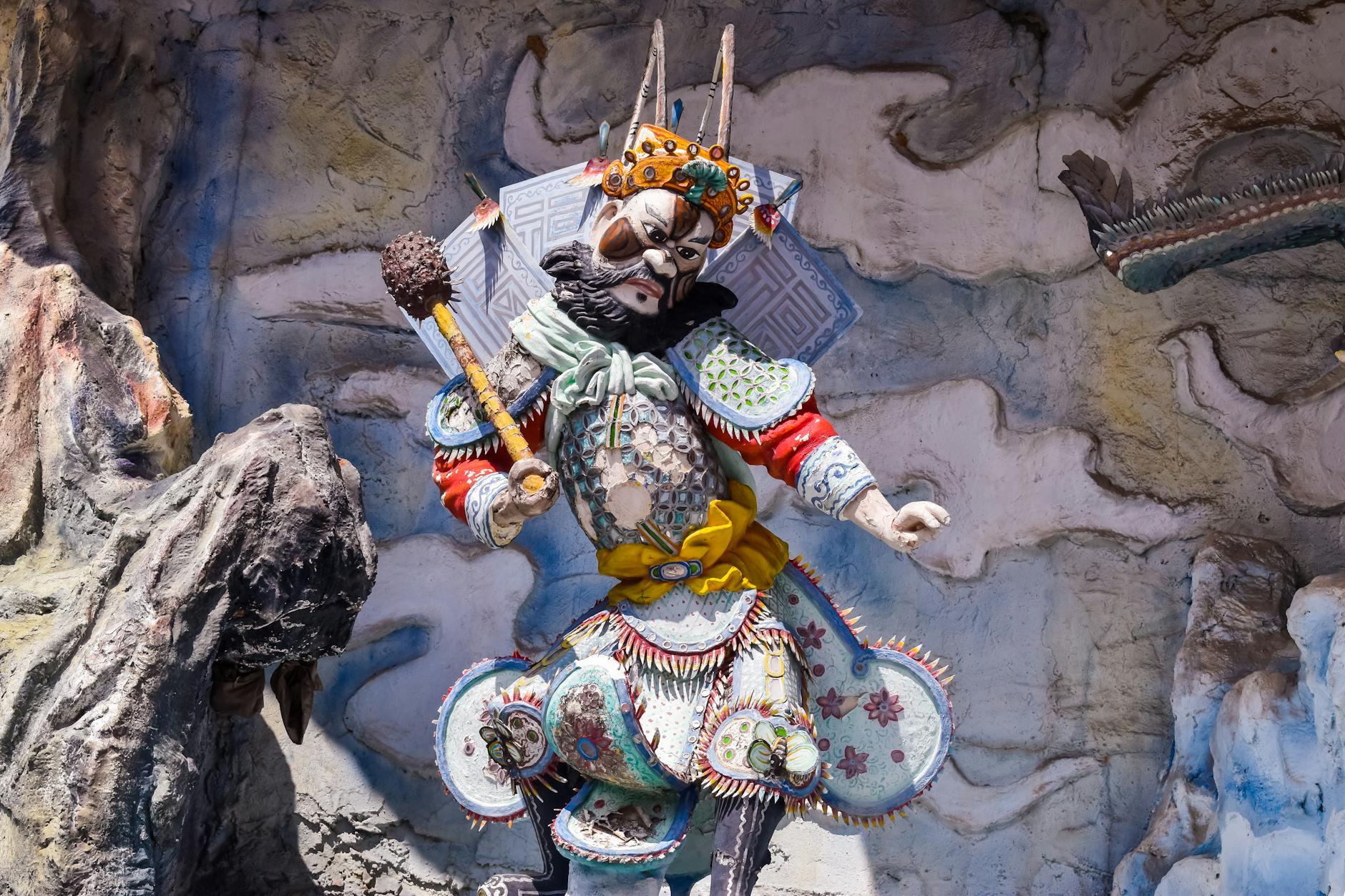
Haw Par Villa - bizarre and fascinating
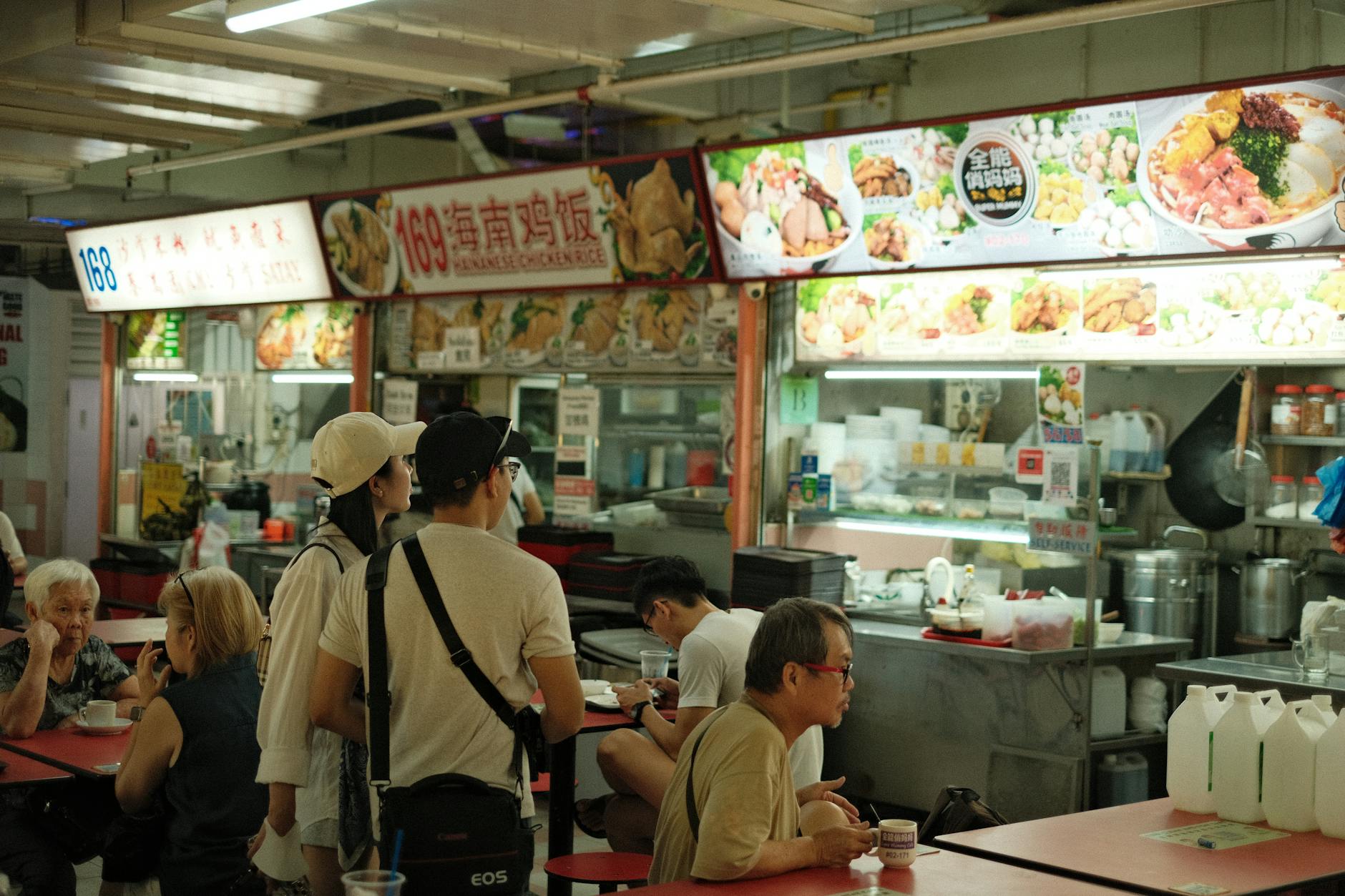
Maxwell Food Centre - legendary stalls
Easy escapes from the Lion City
Singapore's last kampung (village) is a rustic island frozen in the 1960s. Just a 10-minute bumboat ride from Changi Point (S$4), Pulau Ubin offers a glimpse of Singapore before the skyscrapers. Rent a bicycle (S$10-15/day) at the jetty and explore:
Chek Jawa Wetlands: A remarkable ecosystem where six habitats converge - coastal forest, rocky beach, mangrove, seagrass lagoon, coral rubble, and sandbar. The boardwalk and Jejawi Tower offer excellent views. Free.
Ketam Quarry: An abandoned granite quarry now filled with brilliant turquoise water. Stunning for photography.
Ubin Town: A handful of provision shops, drink stalls, and the tiny Ubin Living Gallery museum. Try the last kampung coffee shops.
Singapore's Malaysian neighbour is just across the causeway (30-45 minutes by bus). Popular for cheap food, massage, and shopping.
Getting There: Bus 170 from Queen Street Terminal (S$1.50 + RM1.50). Or take the MRT to Woodlands, then walk across the causeway. Bring your passport.
What to Do: Visit the colourful Arulmigu Sri Rajakaliamman Glass Temple, eat at JB's famous food streets (laksa, mee rebus), shop at City Square Mall or KSL Mall (prices 40-60% cheaper than Singapore).
Note: Immigration queues can be brutal on weekends and holidays (1-3 hours). Go on weekday mornings for 15-minute crossings.
Bring: water (no shops in the interior), insect repellent, sunscreen, snacks. Leave early (before 9am) and return by 5pm. No ATMs on the island - bring cash. The best cycling route: Jetty → Ketam Quarry → Chek Jawa → back (3-4 hours).
Island getaways and cross-border adventures
A 50-minute ferry from Tanah Merah Ferry Terminal (S$50-80 return) takes you to this Indonesian island resort area. Popular for weekend getaways with beach resorts, golf courses, and spas at a fraction of Singapore prices.
Where to Stay: Bintan Lagoon Resort ($$), Banyan Tree Bintan ($$$$$), Cassia Bintan ($$).
What to Do: Beach activities, mangrove kayaking, 500 Lohan Temple, Trikora Beach local seafood, ATV tours through the jungle.
Note: Visa-free for most nationalities (30 days). Indonesian Rupiah is used but SGD widely accepted at resorts.
Even closer than Bintan (35-minute ferry, S$30-50 return), Batam is popular for affordable massage, seafood, and golf.
Nagoya Hill Mall: Shopping and food at Indonesian prices (60-70% cheaper).
Seafood at Golden Prawn: Massive seafood restaurant where chilli crab costs a third of Singapore prices.
Spa & Massage: Two-hour full body massage for S$20-30.
A 2-hour drive from Singapore (via Second Link causeway), Desaru Coast is a new integrated resort with water theme park, golf courses, and luxury hotels. Less crowded than Bintan. The Desaru Coast Adventure Waterpark is Southeast Asia's largest.
UNESCO World Heritage city, 4 hours by bus from Singapore. Red Dutch-era buildings, Jonker Street night market, incredible Peranakan food, and fascinating multicultural history. Stay overnight to fully appreciate it.
Easy island escapes and border crossings
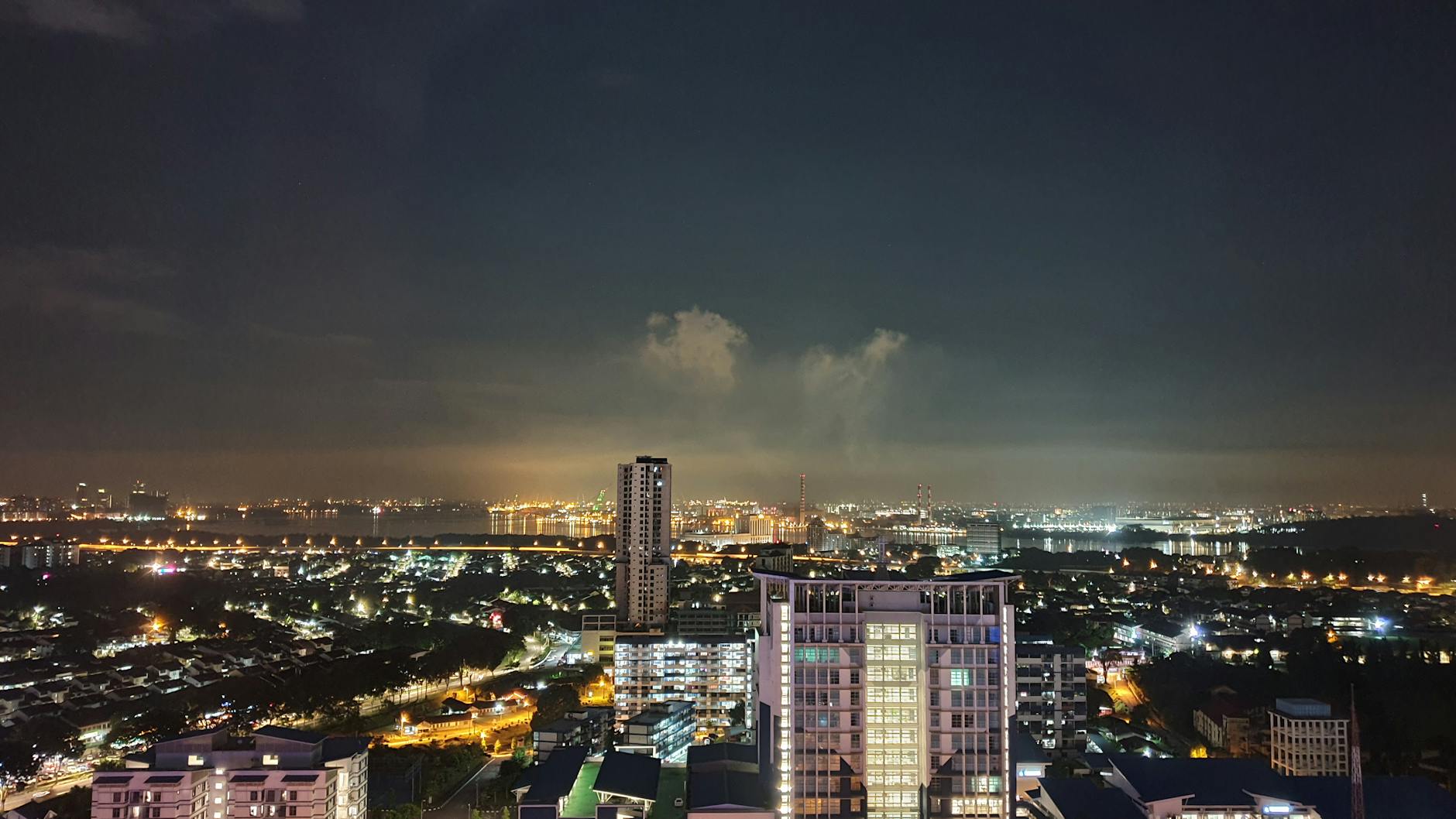
Johor Bahru, Malaysia - just across the causeway
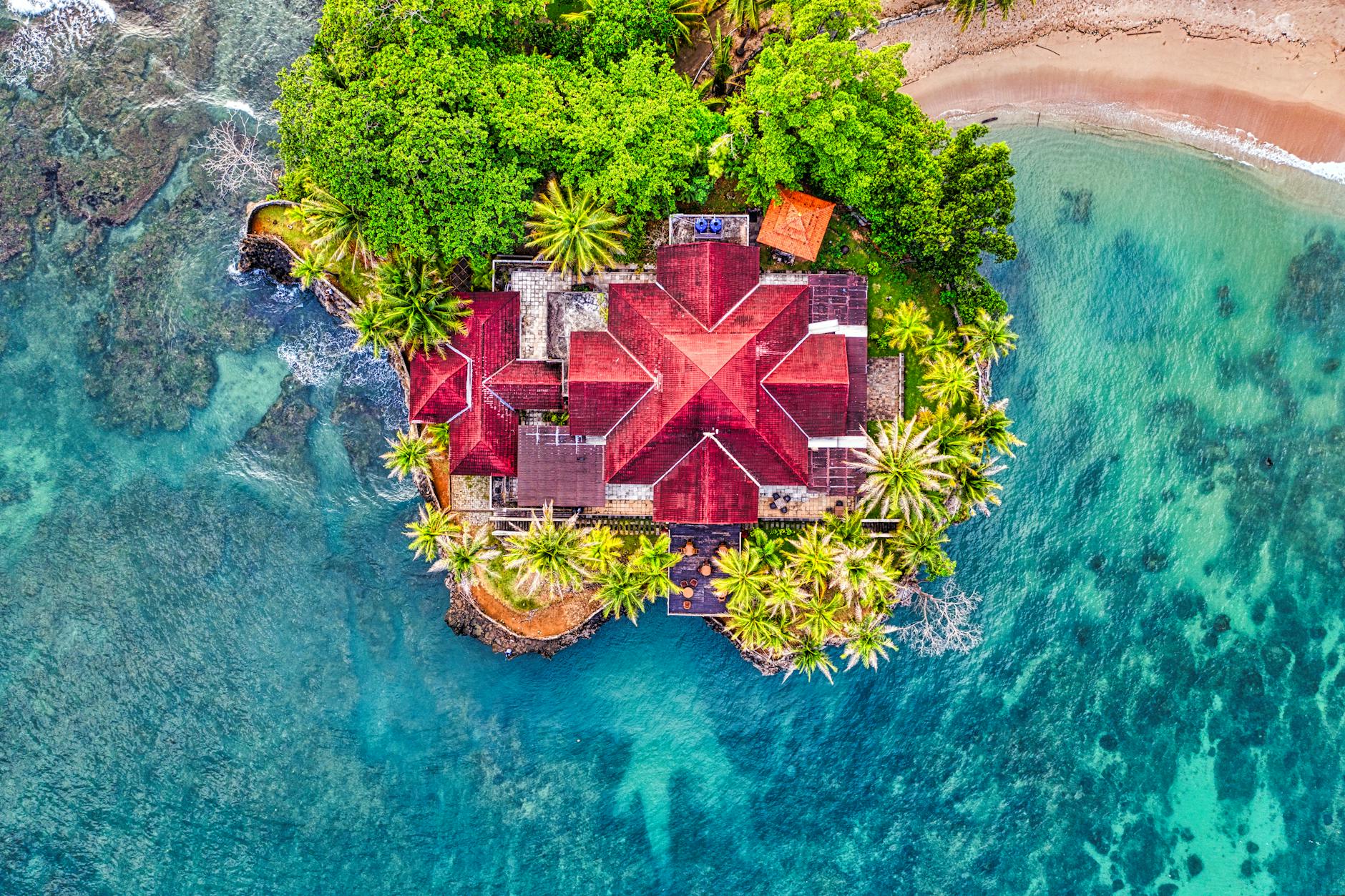
Bintan Island, Indonesia - 50 min by ferry
From a sleepy fishing village to a global financial powerhouse in just 60 years, Singapore's story is one of the most remarkable in modern history. Understanding the forces that shaped this tiny nation - colonialism, war, independence, and sheer determination - makes every street corner more meaningful.
From Singapura to the Lion City
The story of Singapore begins in legend. In the 14th century, a Srivijayan prince named Sang Nila Utama landed on the island and spotted a majestic beast he believed to be a lion. He named the island Singapura - "Lion City" in Sanskrit. In reality, there were never lions in Singapore. The creature was likely a tiger, but the name stuck, and the Merlion was eventually born.
Archaeological evidence suggests settlement from at least the 2nd century AD. By the 1300s, Singapore (then called Temasek) was a thriving trading port in the Majapahit and later Malacca sultanate sphere. Chinese, Indian, and Arab traders passed through regularly. After the fall of Malacca to the Portuguese in 1511, the island faded into obscurity as a small fishing village under the Johor Sultanate.
Everything changed on January 29, 1819, when Sir Stamford Raffles of the British East India Company landed and recognised the island's strategic potential. He signed a treaty with the local sultan and established a free-trade port. Within five years, the population grew from 1,000 to 10,000 as immigrants flooded in from China, India, and the Malay Archipelago.
Raffles planned the city with ethnic quarters - Chinatown, Little India, Kampong Glam - that still exist today. Singapore became the jewel of the Straits Settlements, handling trade between Europe and East Asia. Grand colonial buildings, rubber plantations, and tin smelting made it one of the richest ports in the British Empire.
On February 15, 1942, in what Winston Churchill called "the worst disaster in British military history," 80,000 British, Australian, and Indian troops surrendered to a Japanese force half their size. The Japanese renamed Singapore "Syonan-to" (Light of the South) and ruled brutally for three and a half years. The Sook Ching massacre targeted Chinese males; estimates of those killed range from 25,000 to 50,000.
After Japan's surrender, the British returned but anti-colonial sentiment was strong. Lee Kuan Yew, a Cambridge-educated lawyer, founded the People's Action Party (PAP) in 1954 and won elections in 1959. Singapore briefly merged with Malaysia in 1963, but racial tensions and political disagreements led to expulsion on August 9, 1965.
Lee Kuan Yew famously wept on television. Singapore was independent against its will - a tiny island with no natural resources, no army, and no hinterland. Most observers predicted failure.
What happened next was extraordinary. Under Lee Kuan Yew's firm but visionary leadership, Singapore transformed from a third-world country to a first-world nation in a single generation:
Economy: From per capita GDP of US$500 to US$55,000. Attracted multinational corporations with low taxes, zero corruption, and rule of law.
Housing: The HDB (Housing Development Board) built affordable public housing. Today, 80% of Singaporeans live in HDB flats - one of the highest public housing rates in the world.
Education: Invested heavily in bilingual education. Made English the working language while preserving mother tongues. Today, Singapore's schools consistently top global rankings.
Racial Harmony: Instituted ethnic quotas in HDB blocks to prevent ethnic enclaves. Group Representation Constituencies ensure minority representation in parliament. Racial and Religious Harmony Act prevents hate speech.
Lee Kuan Yew stepped down in 1990 (passing in 2015), and successors Goh Chok Tong and Lee Hsien Loong continued development. Marina Bay was built on reclaimed land. The integrated resorts (casinos) opened in 2010. Singapore became a global financial centre, tech hub, and cultural destination. The current Prime Minister Lawrence Wong took office in 2024.
The melting pot that works
Singapore is one of the world's great multicultural success stories. Four major ethnic groups - Chinese (74%), Malay (13%), Indian (9%), and Others (4%) - coexist in remarkable harmony. Each community maintains its traditions, festivals, and cuisine while sharing a distinctly Singaporean identity. Four official languages (English, Mandarin, Malay, Tamil) appear on every government sign.
The largest community, descended from Hokkien, Teochew, Cantonese, and Hakka immigrants from southern China. Chinese culture influences everything from business practices to food. Major festivals: Chinese New Year (Jan/Feb), Qing Ming (April), Hungry Ghost Festival (August), Mid-Autumn Festival (September).
The indigenous community. Malay is the national language (the anthem, Majulah Singapura, is in Malay). Predominantly Muslim, with beautiful mosques across the island. Major festivals: Hari Raya Aidilfitri (end of Ramadan), Hari Raya Haji. Malay culture centres on kampung (village) values of community and respect.
Predominantly Tamil, but also Malayali, Punjabi, and other communities. Hindu temples are architectural marvels, and Indian food is omnipresent. Major festivals: Deepavali (Oct/Nov), Thaipusam (Jan/Feb - devotees pierce their bodies in extraordinary acts of faith), Pongal (January).
The Peranakans (Straits Chinese) descended from Chinese traders who married Malay women centuries ago. Their unique hybrid culture blends Chinese, Malay, and European elements. Peranakan cuisine (nyonya cooking) is elaborate and spice-rich. Their ornate shophouses, beaded shoes, and porcelain are distinctively beautiful. Best experienced in Katong and at the Peranakan Museum.
Singaporeans speak "Singlish" - English mixed with Hokkien, Malay, and Tamil words. Key phrases: "Can lah" = yes/sure. "Cannot lah" = no way. "Shiok" = delicious/awesome. "Kiasu" = afraid to lose out. "Chope" = reserve (a seat with tissues). "Alamak" = oh no!
Singapore may be the world's most religiously diverse country by area. Within a few blocks, you can visit a Buddhist temple, Hindu temple, mosque, church, and synagogue. This isn't accidental - the government actively promotes religious harmony through legislation, education, and inter-faith dialogue. Maintenance of Religious Harmony Act (1990) prevents religious conflicts.
National Gallery Singapore: World's largest public collection of Southeast Asian modern art. The building itself - two former colonial government buildings - is magnificent. Permanent collection free for residents; S$20 for tourists.
Esplanade - Theatres on the Bay: Singapore's premier performing arts centre. Over 3,000 shows annually. Free concerts at the outdoor theatre most evenings.
Gillman Barracks: Former military barracks converted into a contemporary art cluster. Thirteen galleries show cutting-edge Asian art. Free admission to most. Cafe culture emerging.
Chinese New Year (Jan/Feb): Two-week celebration. Chinatown light-ups, Chingay Parade, lion dances, family reunions.
Thaipusam (Jan/Feb): Hindu festival of faith. Kavadi-bearing devotees walk 4km from Sri Srinivasa Perumal Temple to Layan Sithi Vinayagar Temple. Extraordinary to witness.
Vesak Day (May): Buddha's birthday. Temples offer free vegetarian meals and candlelight processions.
Hari Raya Aidilfitri (varies): End of Ramadan. Geylang Serai transforms into a massive night bazaar with food, clothes, and festive lights.
National Day (Aug 9): Independence Day. Massive parade at the Padang with fighter jets, parachutists, and fireworks. Free tickets available via ballot.
Deepavali (Oct/Nov): Festival of lights. Little India's spectacular light-ups and street bazaar run for six weeks.
From shophouses to supertrees
Singapore's architectural landscape tells the story of a nation in fast-forward. Within a single walk, you can pass a 19th-century Peranakan shophouse, a 1920s Art Deco apartment block, a brutalist 1970s HDB tower, and a 21st-century eco-skyscraper with vertical gardens. This layered cityscape is Singapore's greatest visual story.
Raffles Hotel (1887): The grande dame of Southeast Asian hotels. Neo-Renaissance style with sweeping verandahs, lush courtyards, and 103 suites. Even if you don't stay, visit the Long Bar for a Singapore Sling (S$40) and throw peanut shells on the floor - the only place in Singapore where littering is allowed.
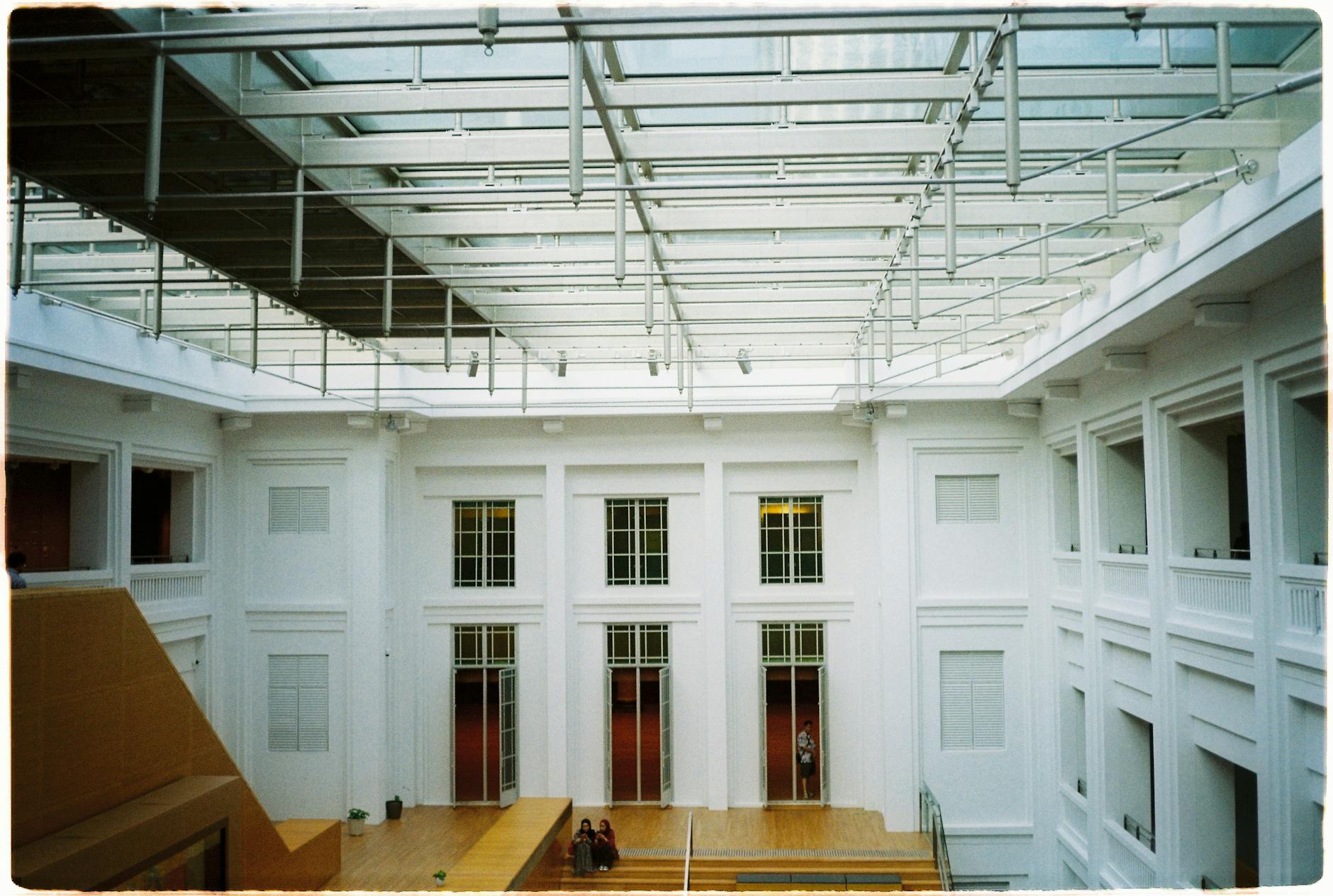
National Gallery (1939): The former Supreme Court and City Hall buildings, connected by a contemporary glass and metal canopy. The Corinthian columns and teak-panelled chambers of the old courtrooms are stunning.
Fullerton Building (1928): Massive neo-classical former General Post Office, now a luxury hotel. The Palladian columns and grand lobby are free to explore.
Singapore has over 6,500 conserved shophouses across different styles: Early (1840-1900), Late (1900-1940), and Art Deco (1930-1960). Each style has distinctive features - Corinthian columns, Peranakan tiles, Shanghai plaster mouldings, Malay timber fretwork. The best preserved rows are on Emerald Hill, Koon Seng Road, and Blair Road.
Love them or not, HDB flats house 80% of Singapore's population. Early blocks were utilitarian concrete. Modern HDB estates like Pinnacle@Duxton (2009) are award-winning designs with sky gardens. The 50th floor Skybridge (S$6) offers panoramic views. Dawson estate's SkyVille@Dawson and SkyTerrace@Dawson are architecturally significant public housing.
The buildings shaping Singapore's future
Parkroyal Collection Pickering: This "hotel in a garden" features 15,000 sqm of sky gardens cascading down its facade - twice the area of the building's footprint. The terraced greenery, waterfalls, and bird cages make it look like a vertical jungle. Designed by WOHA.
CapitaSpring: A 280m skyscraper with a "Green Oasis" - a four-storey tropical forest at level 17-20, open to the public. The 51st floor Sky Garden has free panoramic views. Singapore's tallest building.
Oasia Hotel Downtown: A red-mesh tower covered in 21 species of creepers and flowering plants. The living facade changes colour with the seasons. Another WOHA masterpiece.
Gardens by the Bay Supertrees: Vertical gardens designed by Grant Associates. The OCBC Skyway connecting two trees at 22m height is both functional and sculptural.
Jewel Changi Airport: Moshe Safdie's donut-shaped glass and steel structure around the world's tallest indoor waterfall. The engineering required to suspend 9,000 tonnes of glass and steel is astounding.
ArtScience Museum: The lotus-shaped building collects rainwater in its "petals" and channels it to the central waterfall. Both beautiful and functional.
CHIJMES: A former Catholic convent (1854) converted into a dining and entertainment complex. The chapel with its stained glass windows is breathtaking.
Abdul Gafoor Mosque: Eclectic mix of South Indian, European, and Chinese architectural elements. The unique sundial above the entrance features 25 rays, each inscribed with an Arabic calligraphy representing a prophet.
The Urban Redevelopment Authority (URA) offers free architectural walking tours on weekends. Book at ura.gov.sg. Self-guided: download the URA SPACE app for heritage building locations and histories. The Singapore Heritage Society also runs excellent paid tours.
Everything you need to know to navigate Singapore like a local - from MRT tips and money-saving hacks to emergency numbers and cultural do's and don'ts. Consider this your practical pocket companion for the Lion City.
Practical information from A to Z
Singapore is one of Asia's most accessible destinations. All MRT stations have lifts and tactile guides. Most malls and attractions are wheelchair-accessible. Buses are progressively becoming wheelchair-friendly. The Disabled People's Association (dpa.org.sg) provides guidance. Hotels required to have accessible rooms.
Duty-free allowance: 1L each of spirits, wine, and beer (not arriving from Malaysia). No duty-free cigarettes (all tobacco is taxed). Declare items over S$600. Prohibited: chewing gum (except dental/nicotine gum with prescription), e-cigarettes, firecrackers, and controlled drugs.
230V/50Hz. UK-style Type G three-pin rectangular plugs. Adapters available at most hotels and convenience stores (S$5-10). Most modern hotels also have USB charging ports.
Most countries have embassies in Singapore. Key ones: US Embassy (27 Napier Rd), British High Commission (100 Tanglin Rd), Australian High Commission (25 Napier Rd), Indian High Commission (31 Grange Rd). Check operating hours as many only open mornings for consular services.
Police: 999 | Ambulance/Fire: 995 | Non-emergency Police: 1800-255-0000 | Tourist Helpline: 1800-736-2000 (24-hour, multilingual)
Travel insurance strongly recommended. Medical costs in Singapore are high (hospital stay S$500+/day). Ensure coverage for medical evacuation if visiting neighbouring countries. Most credit cards include basic travel insurance for trips booked on the card.
Free WiFi is ubiquitous: Wireless@SG network covers MRT stations, malls, and public areas (register with phone number). Hotels all have free WiFi. For mobile data: buy a tourist SIM at the airport (Singtel hi!Tourist: 100GB/28 days for S$32) or use eSIM (Airalo or Nomad from S$5/week).
Singapore repealed Section 377A (criminalising male homosexuality) in 2022. While same-sex marriage is not recognised, Singapore is generally safe and welcoming for LGBTQ+ travellers. Pink Dot, the annual pride event, draws 20,000+ supporters. Neil Road and Chinatown have LGBTQ+-friendly venues. Public displays of affection are uncommon for all couples.
Singapore has world-class healthcare. For non-emergencies, visit a GP clinic (S$25-50 consultation). Hospitals: Singapore General Hospital, Mount Elizabeth, Raffles Hospital. Most doctors speak English. Pharmacies (Guardian, Watsons) are in every mall. Dengue risk exists - use insect repellent outdoors.
Currency: Singapore Dollar (SGD/S$). Notes: S$2, 5, 10, 50, 100, 1000. Coins: 5c, 10c, 20c, 50c, S$1.
ATMs: Everywhere. DBS/POSB, OCBC, UOB are local banks. Citibank and HSBC also available. Fees vary.
Cards: Visa and Mastercard accepted universally. Amex at larger establishments. Contactless payments widely supported. Many hawker stalls now accept PayNow/NETS QR.
Exchange: Best rates at money changers in Mustafa Centre and The Arcade (Raffles Place). Avoid airport and hotel exchange.
Shops/Malls: 10am-9:30pm daily (many until 10pm)
Banks: Mon-Fri 9:30am-4:30pm, Sat 9:30am-12pm
Government offices: Mon-Fri 8:30am-5pm
Hawker centres: 6am-10pm (varies by stall, many closed one day/week)
Attractions: Usually 9/10am-5/6pm (check specific venues)
SingPost offices and red postboxes throughout the city. Postcard to anywhere: S$0.40 (standard) to S$1.30 (registered). Main post office at VivoCity. Express mail via SingPost or DHL/FedEx available at most business centres.
New Year's Day (Jan 1), Chinese New Year (Feb 17-18), Good Friday (Apr 3), Labour Day (May 1), Vesak Day (May 12), Hari Raya Aidilfitri (dates vary), National Day (Aug 9), Hari Raya Haji (dates vary), Deepavali (Oct/Nov), Christmas Day (Dec 25).
Singapore is one of the safest cities in the world. Violent crime is virtually nonexistent. Walking alone at night, even in quiet areas, is safe. Petty theft is rare but keep valuables secure in crowded areas. Scams are uncommon but avoid touts at tourist attractions offering "special deals." The only significant safety concern is road-crossing - drivers can be aggressive at turns.
GST: 9% on all goods and services. Tourist Refund Scheme: claim GST refund on purchases over S$100 from participating retailers. Use eTRS kiosk at airport. Keep receipts and purchased items in hand luggage for inspection. Minimum refund S$10. Processed via credit card (no fee) or cash (S$5 fee).
Country code: +65 (no area codes). Mobile numbers start with 8 or 9. Landlines start with 6. Buy a local SIM at any 7-Eleven or airport (passport required). Top up at convenience stores. Most international roaming works but is expensive - a local SIM or eSIM is far cheaper.
Singapore Standard Time (SST) = UTC+8. No daylight saving. Same time zone as Hong Kong, Perth, and Taipei. 13 hours ahead of New York, 8 hours ahead of London.
Tipping is NOT expected in Singapore. Restaurants add 10% service charge and 9% GST automatically (look for "++"). Taxi drivers don't expect tips. Hotel porters: S$2 per bag is appreciated but not required. Hawker centres: no tipping ever.
Public toilets are generally clean. MRT stations, malls, and attractions all have facilities. Hawker centre toilets may charge S$0.10-0.20. Always carry tissues as some basic toilets don't provide paper. Most toilets are Western-style; some older facilities have squat toilets.
Most nationalities receive 30-90 day visa-free entry. Complete the Singapore Arrival Card (SGAC) electronically within 3 days of arrival at eservices.ica.gov.sg. Passport must be valid for at least 6 months. Extensions possible at ICA Building. Check ica.gov.sg for your country's specific requirements.
Getting to, from, and around Singapore
Changi Airport (SIN) is consistently voted the world's best airport. Four terminals handle flights from every major airline. Terminal 4 is a "selfie terminal" with automated check-in. Jewel (between T1-T3) has the famous Rain Vortex waterfall, a five-storey forest, and 280+ shops.
To the City: MRT (S$2, 30-45 min, 5:30am-11:30pm), Taxi (S$25-40, 30 min), Grab (S$20-35), Airport Shuttle (S$10 to most hotels). For late arrivals, taxis and Grab operate 24 hours.
Long-distance buses from Kuala Lumpur (5 hours, from S$25), Malacca (4 hours, from S$15), and other Malaysian cities arrive at various terminals. Grassland Express, Transtar, and KKKL are reliable operators. Book at easybook.com or busonlineticket.com.
KTM trains from Johor Bahru arrive at Woodlands Train Checkpoint. The JB-Singapore Shuttle service (S$5 one-way) runs frequently. Long-distance trains from KL terminate at JB Sentral, requiring a shuttle transfer.
Six colour-coded lines serve 140+ stations. Trains every 2-5 minutes during peak, 5-7 minutes off-peak. Operates 5:30am-midnight (extended to 1am on weekends). Clean, air-conditioned, and safe. No eating, drinking, or durian fruit allowed (S$500 fine).
| MRT Line | Colour | Key Stops |
|---|---|---|
| North-South | Red | Orchard, City Hall, Marina Bay, Woodlands |
| East-West | Green | Bugis, City Hall, Raffles Place, Changi Airport |
| North-East | Purple | Little India, Chinatown, HarbourFront |
| Circle | Orange | Botanic Gardens, Holland Village, Bayfront |
| Downtown | Blue | Bayfront, Chinatown, Botanic Gardens, Bukit Panjang |
| Thomson-East Coast | Brown | Orchard, Marina Bay, Gardens by the Bay |
EZ-Link/NETS FlashPay (S$12): Stored-value card bought at MRT stations. S$5 non-refundable card cost + S$7 credit. Tap in/out at MRT and buses. Top up at machines or 7-Eleven. Best for stays of 3+ days.
Singapore Tourist Pass (STP): Unlimited MRT and bus rides. 1-day S$22, 2-day S$29, 3-day S$34. Includes S$10 refundable deposit. Buy at selected MRT stations. Worth it if you take 5+ rides/day.
Contactless Payment: Visa, Mastercard, and mobile wallets (Apple Pay, Google Pay) work at all MRT gates and bus readers. Fares automatically capped at best price. The most convenient option for short stays.
Comprehensive network of 300+ routes covering areas MRT doesn't reach. All buses are air-conditioned with electronic displays. Pay with EZ-Link or contactless (no cash). Tap card when boarding AND alighting. Fares: S$1-2.50 by distance. Download SG Buses app for routes and real-time arrival.
Metered, safe, and air-conditioned. Flag-down rate S$3.90-4.50. Surcharges: peak hours +25%, midnight-6am +50%, CBD surcharge S$3, airport pickup S$5. Average ride: S$10-20. ComfortDelGro is the largest company (call 6552-1111).
Southeast Asia's equivalent of Uber. Usually 10-20% cheaper than taxis. Prices surge during rain and peak hours. GrabShare pools rides for further savings. Download the Grab app and link a credit card. Also offers GrabFood delivery.
Park Connector Network links 300km of cycling paths across the island. Rent bikes from SG Bike or Anywheel (S$1/30 min via app, scan QR code on bike). Great for East Coast Park, Punggol Waterway, and Coney Island. Not recommended for road cycling - drivers are aggressive.
Central Singapore is walkable but the heat and humidity are challenging. Use underground walkways connecting MRT to malls. Covered five-foot ways (shophouse walkways) provide shade. Carry water and an umbrella. Distance-wise, Marina Bay to Chinatown is 15 minutes on foot.
English, Singlish, and useful phrases
English is Singapore's working language, used in government, business, and education. You'll have no trouble communicating in standard English. But listen closely and you'll hear Singlish - Singapore's beloved creole that blends English with Hokkien, Malay, and Tamil. Understanding a few Singlish terms and knowing basic phrases in other languages will delight locals.
Lah: Sentence-ending particle for emphasis. "OK lah" = "It's fine." "Can lah" = "Sure, why not."
Shiok: Delicious, fantastic, pleasurable. "This chicken rice damn shiok!"
Kiasu: Fear of losing out. Describes the competitive Singaporean spirit. "So kiasu, queue 2 hours for free gift."
Chope: To reserve. "I chope the seat with tissue packet already."
Blur: Confused, clueless. "Sorry, I very blur, where is the MRT?"
Paiseh: Embarrassed, shy. "Paiseh, can I ask you something?"
Makan: To eat (from Malay). "Let's go makan!" "Makan place" = restaurant.
Alamak: Expression of dismay. "Alamak, forgot my EZ-Link card!"
Bojio: "You didn't invite me!" Used when friends do something fun without you.
| English | Mandarin | Malay | Tamil |
|---|---|---|---|
| Hello | Nǐ hǎo (你好) | Apa khabar | Vanakkam |
| Thank you | Xiè xie (谢谢) | Terima kasih | Nandri |
| How much? | Duō shǎo qián? | Berapa? | Evvalavu? |
| Delicious | Hǎo chī (好吃) | Sedap | Rusiyana |
| No spicy | Bù yào là (不要辣) | Tak pedas | Kaaram venda |
| Where is...? | ...zài nǎ lǐ? | Di mana...? | ...engey? |
| Beautiful | Piào liang (漂亮) | Cantik | Azhagu |
Key ordering phrases: "Dabao" = takeaway. "Makan sini" = eat here. "Kosong" = plain/no sugar (for drinks). "Siu dai" = less sweet. "Gao" = strong/thick. "Peng" = iced. So "Kopi-C siu dai peng" = iced coffee with evaporated milk, less sweet.
A
Abdul Gafoor Mosque 30, 58
Accessible travel 60
AJ Hackett Sentosa 43
Ann Siang Hill 22, 25, 46
Arab Street 32
Architecture 57-58
ArtScience Museum 8, 16, 58
Atlas bar 45
B
Bak Chor Mee 27
Banana Leaf Apolo 31
Bars 19, 25, 36, 45-46
Batam Island 51
Bintan Island 51
Bird Paradise 48
Boat Quay 46
Botanic Gardens 8, 49
Buddha Tooth Relic Temple 22, 23
Budget tips 5, 36
Bugis Street 37
Bukit Timah 49
Burnt Ends 24
Buses 64
C
CapitaSpring 25, 58
Ce La Vi 17, 19
Changi Airport 40
Changi Village 40
Char Kway Teow 26
Chendol 27
Chicken Rice 26
Chinatown 22-25
Chinatown Complex 24, 28
Chinatown Heritage Centre 22, 23
Chinese New Year 13, 56
CHIJMES 58
Chilli Crab 26
Clarke Quay 7, 46
Climate 5
Cloud Forest 18
Coffee culture 28
Colonial District 16, 20
Customs 60
Cycling 64
D-E
Day trips 50-51
Deepavali 13, 31, 56
Desaru 51
Directory A-Z 60-62
East Coast Park 40
Electricity 60
Embassies 60
Emerald Hill 35, 36
Emergency numbers 60
Esplanade 20, 46, 56
F-G
Festivals 56
First Time Singapore 11
Flower Dome 18
Food tours 28
Fort Siloso 43
Fullerton Hotel 20, 57
Gardens by the Bay 3, 18
Getting Around 12, 63-64
Gold jewellery 31
Grab 64
GST refund 37, 62
H-I
Haji Lane 32, 33
Hawker centres 28
Hawker food guide 26-28
HDB architecture 57
Helix Bridge 16, 20
Henderson Waves 49
Heritage 53-54
History 53-54
Hokkien Mee 27
Hotels 44
Ice Kacang 27
Insurance 60
Internet 60
ION Orchard 35
Istana 35
Itineraries 14-15
J-K
Jewel Changi Airport 7, 37, 40, 58
Jigger & Pony 25, 45
Johor Bahru 50
Joo Chiat 39
Kampong Glam 32-33
Katong 39
Kaya Toast 27
Keong Saik Road 22, 24
Kiasu 55, 65
Koon Seng Road 39
Kopi 28
L-M
Laksa 26
Language 65
Lau Pa Sat 19, 28
Lee Kuan Yew 54
LGBTQ+ travellers 61
Little India 30-31
MacRitchie Reservoir 49
Malay Heritage Centre 33
Mandai Wildlife District 48
Marina Barrage 8, 20
Marina Bay 16-20
Marina Bay Sands 17
Maxwell Food Centre 24, 28
Medical services 61
Merlion Park 5, 16, 20
Money 61
Month by Month 13
MRT 12, 63
Mustafa Centre 30
N-O
Nasi Lemak 27
National Day 56
National Gallery 8, 20, 56, 57
National Museum 54
Nature reserves 49
Newton Food Centre 28
Night Safari 48
Nightlife 45-46
Old Airport Road 28
Opening hours 61
Orchard Road 35-36
P-R
Palawan Beach 43
Parkroyal Pickering 58
Peranakan culture 39, 55
Post 61
Public holidays 61
Pulau Ubin 8, 40, 50
Raffles Hotel 7, 57
Raffles, Sir Stamford 53
River Wonders 48
Robertson Quay 46
Rojak 27
Roti Prata 26
S
S.E.A. Aquarium 42
Safety 62
Satay 26
Sentosa Island 42-44
Shopping 35-37
Shophouses 22, 57
Siloso Beach 43
Singapore Sling 7
Singapore Zoo 48
Singlish 55, 65
SkyPark 6, 17
Southern Islands 44
Southern Ridges 49
Spectra light show 8
Sri Mariamman Temple 22, 23
Sri Veeramakaliamman Temple 30
Sultan Mosque 32
Sungei Buloh 49
Supertrees 3, 18
T
Tanjong Beach 43
Tanjong Pagar 25
Taxes 62
Taxis 64
Tekka Centre 28, 31
Telephone 62
Thaipusam 56
Thian Hock Keng Temple 23
Tiong Bahru 8, 28
Tipping 62
Toilets 62
Transport 63-64
TreeTop Walk 49
U-W
Universal Studios 42
Visas 62
VivoCity 37
Walking tours 20, 28
Weather 5, 13
What's New 9
WiFi 60
Wings of Time 43
WWII history 53
Z
Zam Zam Restaurant 33
Zouk 46
Zoo, Singapore 48
MRT Stations: Indicated by line colour and code (e.g., NE4 = North-East Line station 4)
Prices: S$ = Singapore Dollars. Budget ($) = under S$20 | Mid-range ($$) = S$20-60 | High-end ($$$) = S$60-150 | Luxury ($$$$) = S$150+
Page references: Bold = main entry, regular = mention
Key areas and neighbourhoods
| Neighbourhood | Best For | MRT | Page |
|---|---|---|---|
| Marina Bay | Iconic sights, fine dining | Bayfront, Marina Bay | 16-20 |
| Chinatown | Heritage, hawker food, nightlife | Chinatown | 22-25 |
| Little India | Culture, spices, Indian food | Little India, Farrer Park | 30-31 |
| Kampong Glam | Street art, cafes, textiles | Bugis | 32-33 |
| Orchard Road | Shopping, malls, dining | Orchard, Somerset | 35-36 |
| Joo Chiat/Katong | Peranakan heritage, food | Paya Lebar | 39 |
| East Coast | Beach, cycling, seafood | Bedok + bus | 40 |
| Sentosa | Theme parks, beaches | HarbourFront | 42-44 |
| Mandai | Zoo, Night Safari, birds | Khatib + shuttle | 48 |
| Tiong Bahru | Cafes, art deco, market | Tiong Bahru | 8, 28 |
The Travorea team's personal favourites
Garden Rhapsody Light Show
Supertree Grove, 7:45pm nightly. Lie on the grass and watch the trees come alive. p.18
Tian Tian Chicken Rice
Maxwell Food Centre, stall #10. Anthony Bourdain's favourite. p.24
Tiong Bahru Neighbourhood
Art deco charm, indie cafes, and the most authentic wet market. p.8
Marina Barrage Rooftop
Free entry. Full skyline panorama. Best at sunset with a picnic. p.20
Night Safari
World's first nocturnal zoo. Magical tram ride through moonlit jungle. p.48
Atlas
Art Deco gin palace with a 15m gin tower. Like drinking in a Gatsby movie. p.45
Pulau Ubin
Singapore's last kampung. Cycle through wild jungle for S$14 total. p.50
Koon Seng Road
Pastel Peranakan shophouses. Visit before 8am for empty streets. p.39
Odette
3 Michelin stars. French degustation at the National Gallery. S$388 lunch. p.19
Southern Ridges
10km elevated trail with Henderson Waves bridge. Forest in the city. p.49
Everything you need, nothing you don't
☐ Passport (6+ months validity)
☐ E-arrival card (SGAC)
☐ Travel insurance documents
☐ Credit/debit cards
☐ Singapore dollars (S$200 cash)
☐ Phone with Grab & Maps apps
☐ UK-type G power adapter
☐ Portable charger
☐ Light, breathable tops (cotton/linen)
☐ Shorts and light trousers
☐ Comfortable walking shoes
☐ Flip flops/sandals
☐ Light rain jacket or umbrella
☐ Cardigan for air-con
☐ Smart casual outfit (restaurants)
☐ Modest outfit (temples/mosques)
☐ Sunscreen SPF 50+
☐ Insect repellent (DEET)
☐ Reusable water bottle
☐ Hand sanitizer
☐ Basic medications
☐ Sunglasses
☐ Compact umbrella (essential!)
☐ Wet wipes
☐ Complete SGAC e-arrival card
☐ Book Universal Studios tickets
☐ Book Night Safari tickets
☐ Book Gardens by the Bay
☐ Download Grab app
☐ Download Google Maps offline
☐ Set up eSIM or buy SIM plan
☐ Book Michelin restaurants
☐ Check festival calendar
☐ Notify bank of travel dates
Leave behind: Chewing gum (import banned), e-cigarettes (illegal), heavy jackets (you won't need them), formal wear (Singapore is smart casual even at fine dining), too many clothes (laundry is cheap - S$8 wash+dry at most hostels).
Travorea is an AI-powered travel platform dedicated to creating comprehensive, honest, and beautifully designed travel guides. We combine cutting-edge artificial intelligence with deep travel expertise to produce guides that help you discover the world's most amazing destinations.
Every recommendation in this guide has been researched using real traveller reviews, local insights, and current pricing data. We include transparent notes about potential downsides because we believe honest information makes for better trips. No hotel, restaurant, or attraction has paid for inclusion.
Cover and feature images sourced from Unsplash and Pexels under Creative Commons and free-to-use licences. We gratefully acknowledge the photographers whose work brings Singapore to life in these pages.
Prices, opening hours, and other practical details were accurate at time of publication (2026) but are subject to change. We recommend confirming details before your visit, especially for restaurants and attractions that may have seasonal hours.
This guide is updated regularly. Visit www.travorea.com for the latest version and additional destination guides for India's 25 most beautiful destinations, Japan, Thailand, and more.
Found an error? Have a suggestion? Want to share your Singapore story? We'd love to hear from you. Visit our website or reach out through our contact page.
More Travorea Guides
Rajasthan: Royal Heritage Trail | Kerala: God's Own Country
Goa: Beaches & Beyond | Himachal Pradesh: Mountain Escapes
Japan: The Complete Guide | Thailand: Island Hopping
Download free at www.travorea.com/ebooks
The Complete Guide
72 Pages of Expert Travel Advice
Top 20 Experiences & Hidden Gems
Hawker Food Guide & Restaurant Picks
Neighbourhood Walking Tours
Day Trips & Nature Escapes
History, Culture & Architecture
Complete Survival Guide A-Z
2026 Edition | www.travorea.com
Powered by AI. Designed for Travellers.