
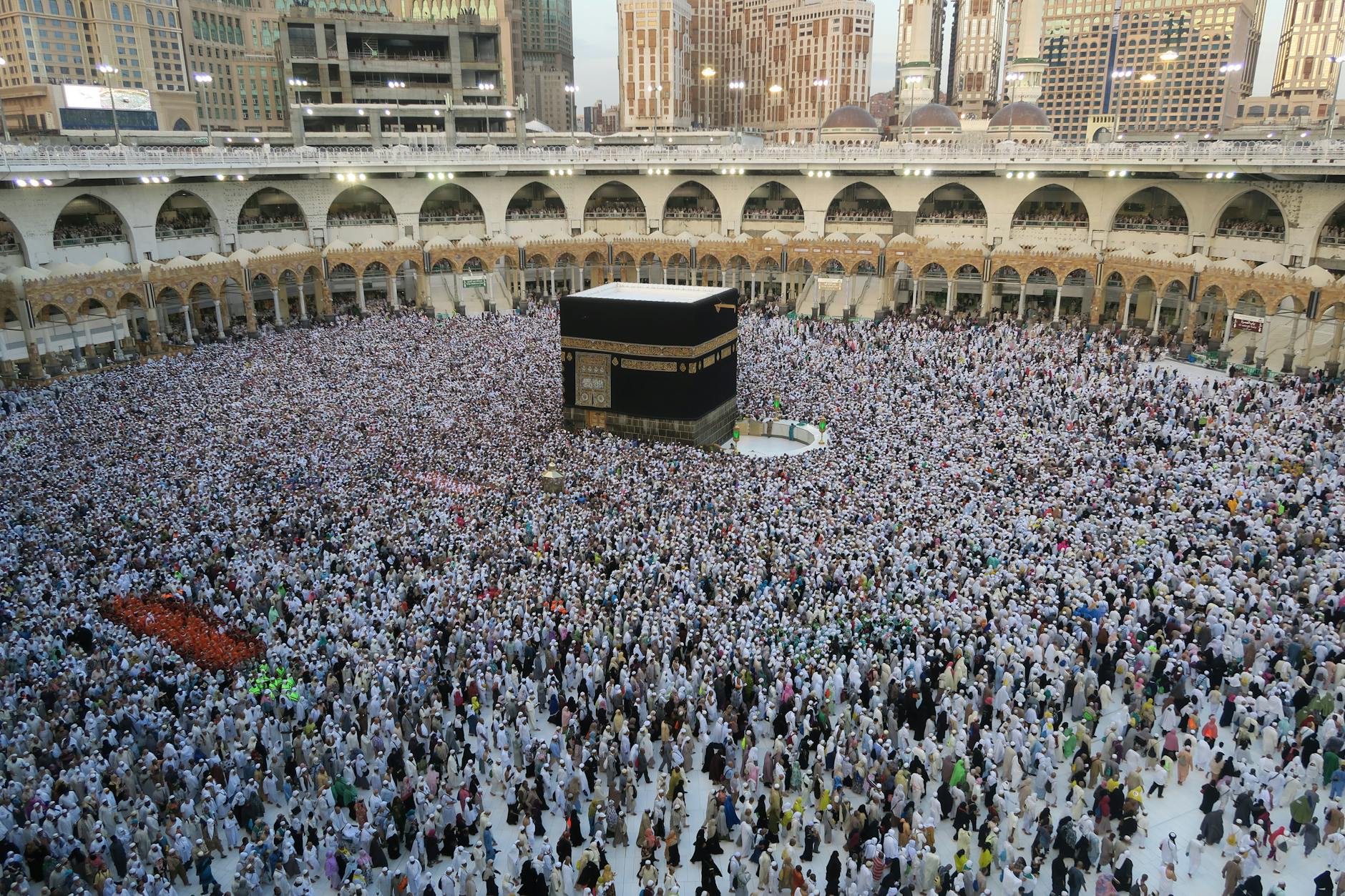
Mecca (Makkah) is the holiest city in Islam, the birthplace of Prophet Muhammad, and the direction towards which 2 billion Muslims pray five times daily. Every Muslim who is able must make the Hajj pilgrimage here at least once in their lifetime. The city is home to the Masjid al-Haram, the largest mosque in the world, and the sacred Kaaba at its center.
Sacred Sites
Masjid al-Haram (The Grand Mosque)
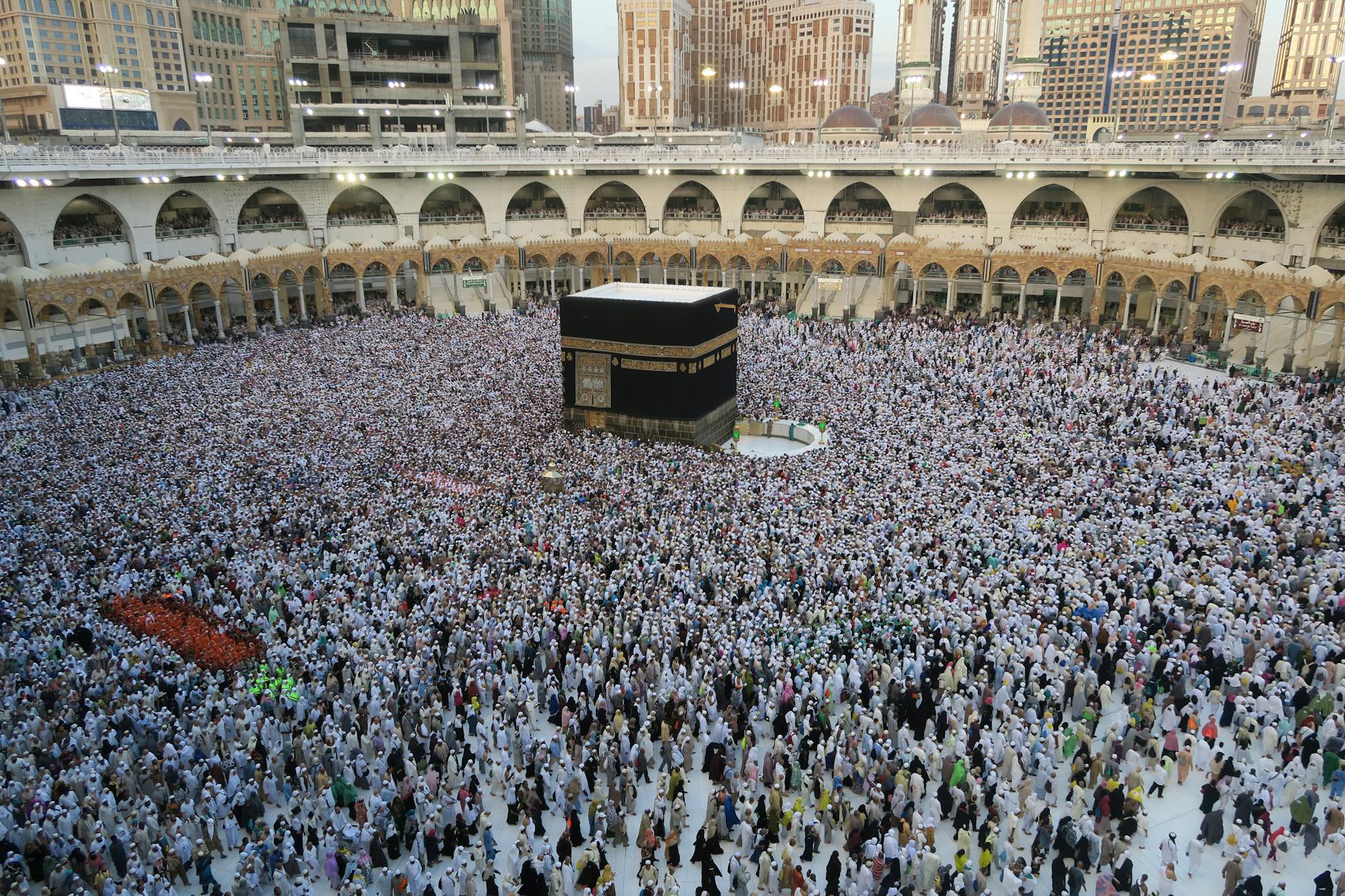
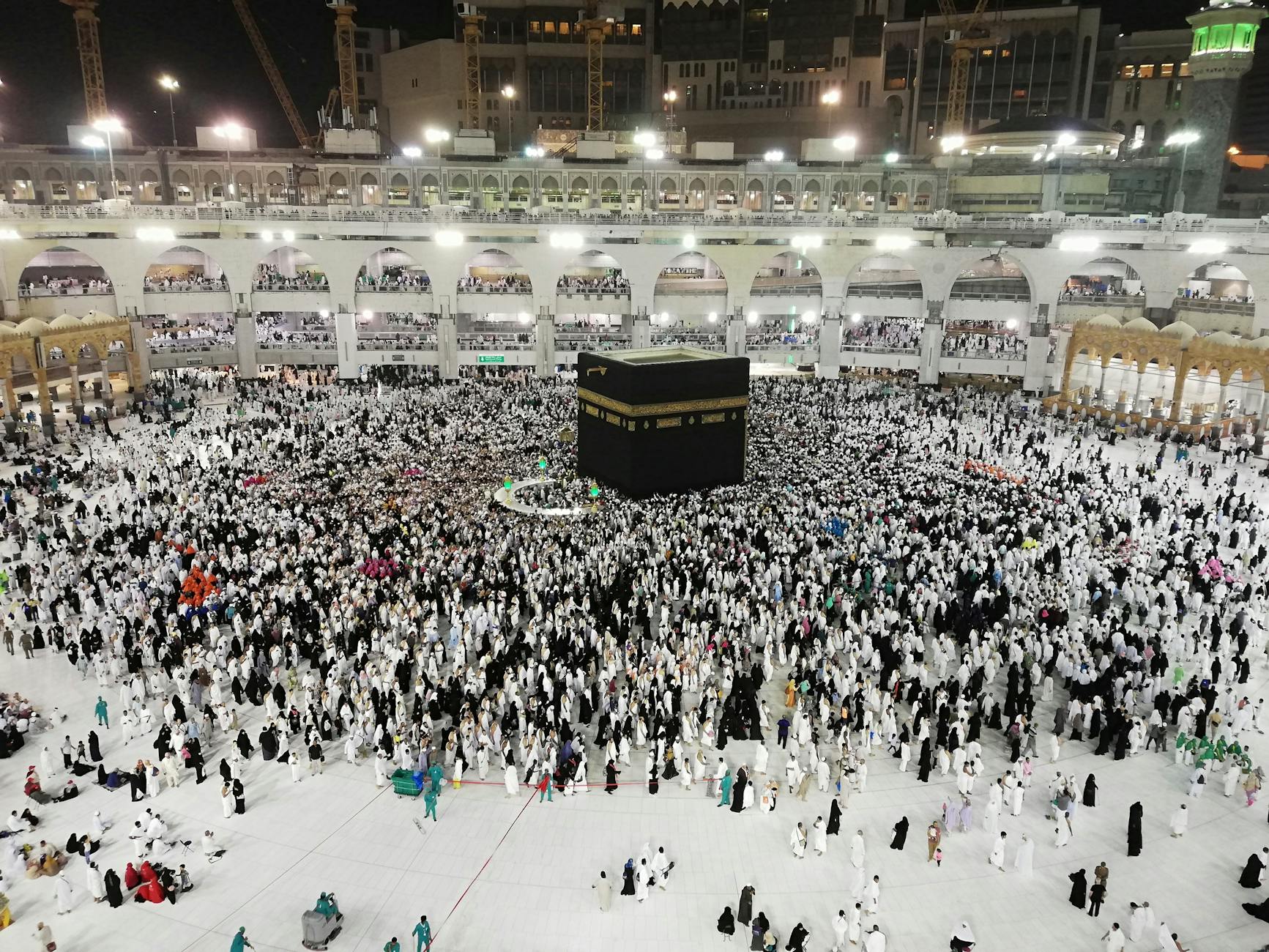
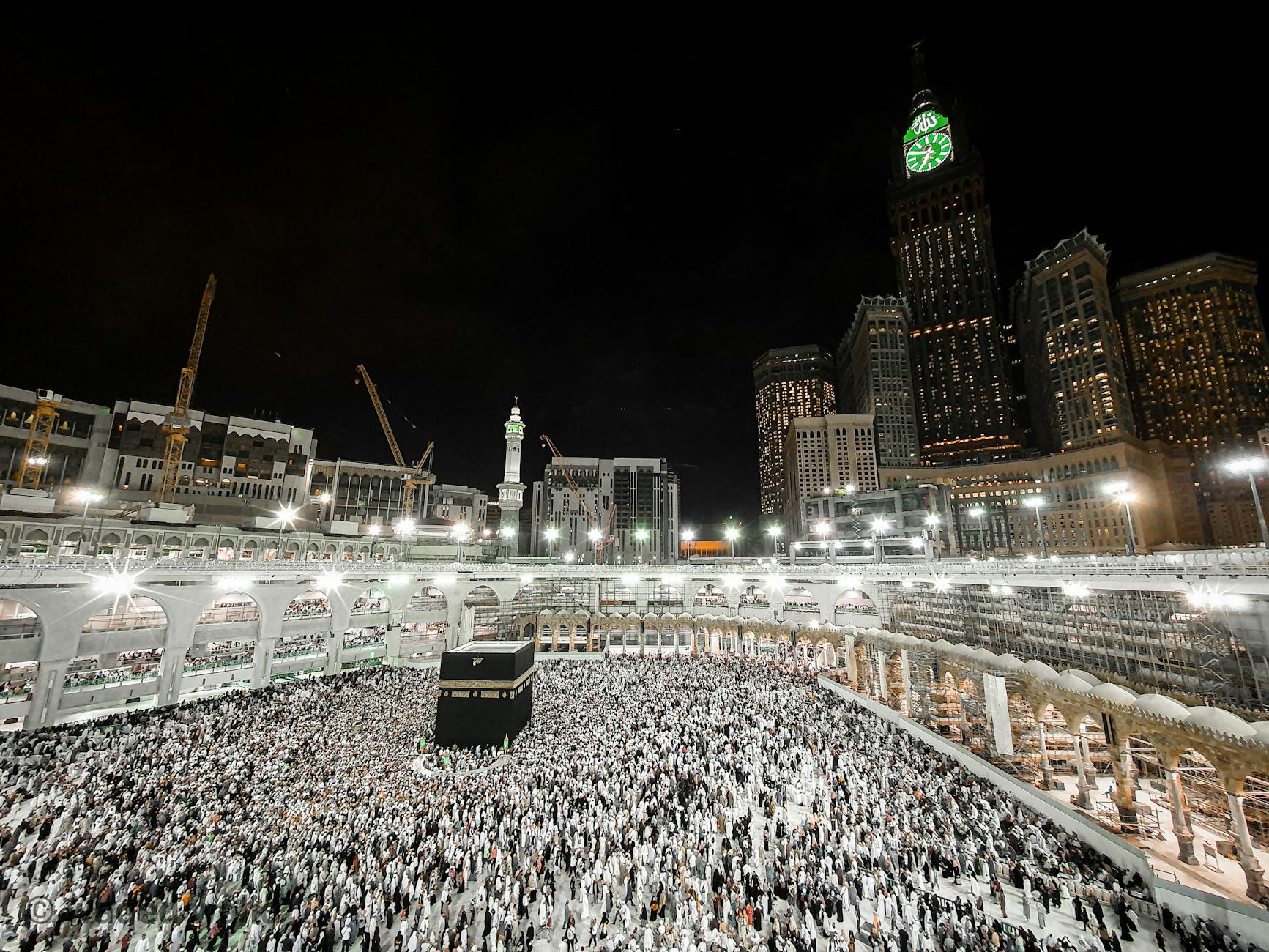
The largest mosque in the world surrounds the Kaaba and can accommodate over 4 million worshippers during Hajj. The mosque has been expanded many times, with the current complex covering 356,800 square meters. Recent expansions include the Abraj Al-Bait towers and massive air-conditioned prayer halls.
Visitor Information
- Admission: Free (Muslims only)
- Hours: Open 24 hours
- Best Time for Tawaf: After midnight for fewer crowds
- Dress Code: Ihram for pilgrims; modest dress at all times
The Kaaba
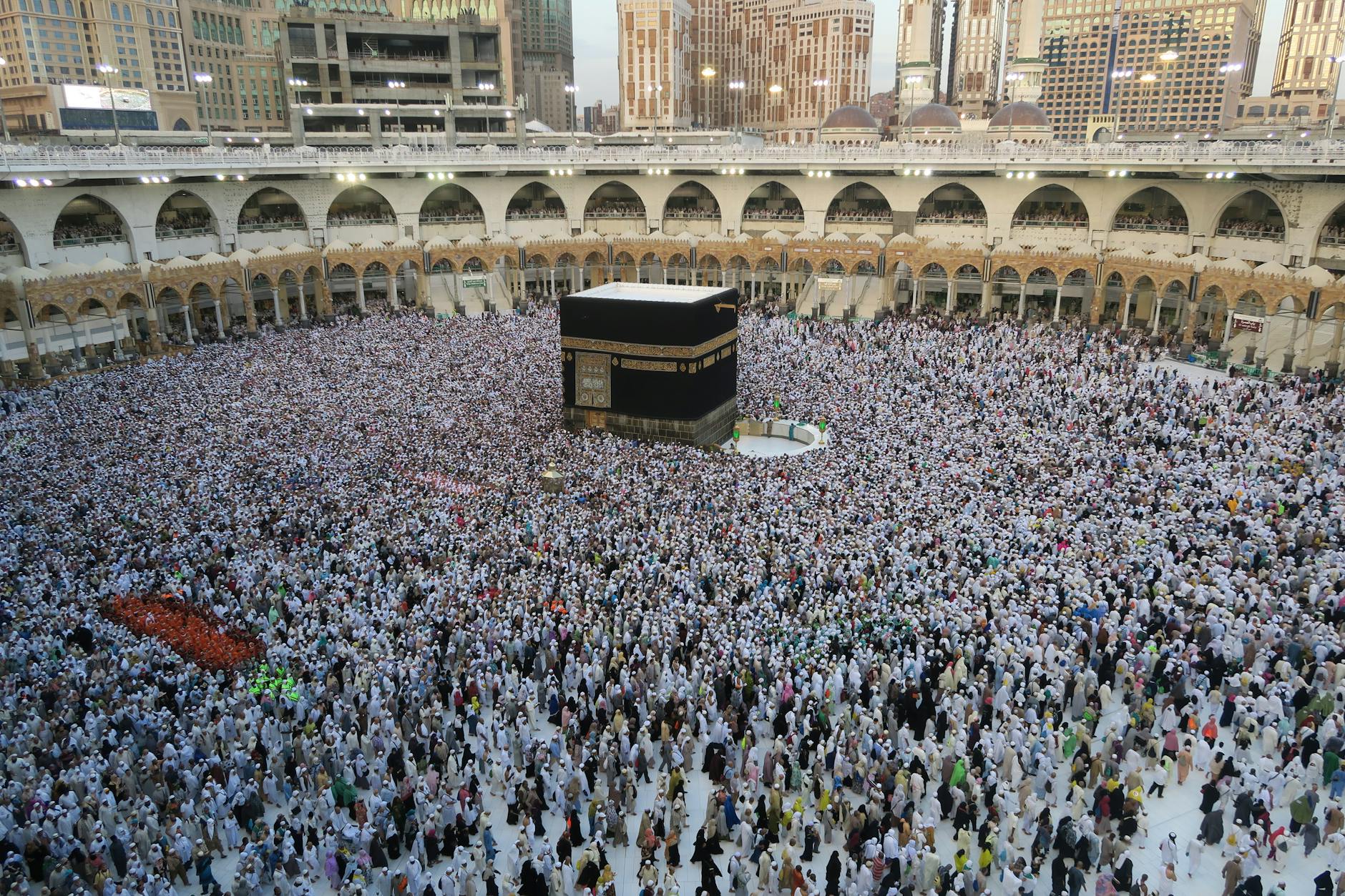
The Kaaba is the most sacred site in Islam. Muslims around the world face this direction (qibla) during daily prayers. The black stone building, draped in the Kiswah (black silk covering), is believed to have been built by Prophet Ibrahim and his son Ismail. Pilgrims perform Tawaf (circumambulation) seven times around it.
Mount Arafat
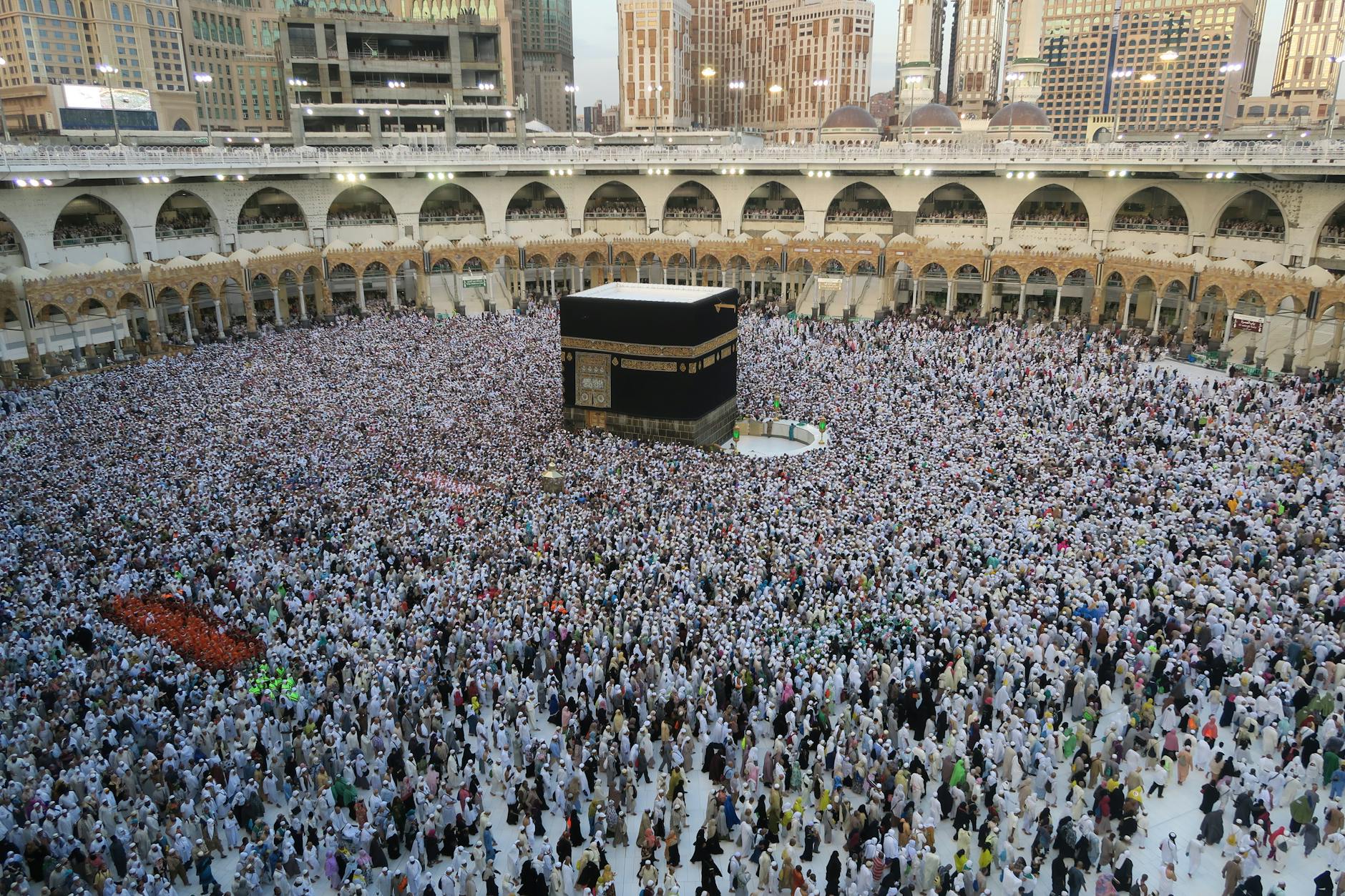
The Day of Arafat is the most important day of Hajj. Pilgrims gather on this plain 20km from Mecca where Prophet Muhammad delivered his Farewell Sermon. Standing at Arafat from noon to sunset on the 9th of Dhul Hijjah is the essential pillar of Hajj - without it, the pilgrimage is invalid.
Mina
The "city of tents" hosts pilgrims during Hajj. The Jamarat Bridge where pilgrims stone the three pillars representing Satan is located here. Millions stay in fire-resistant tents during the Days of Tashreeq. Modern infrastructure includes air conditioning and toilet facilities.
Jabal al-Nour (Cave of Hira)
This mountain contains the cave where Prophet Muhammad received his first revelation from Angel Jibreel. The climb is challenging (1.5-2 hours) but spiritually significant. Many pilgrims visit during Umrah. The small cave can only fit a few people at a time.
Abraj Al-Bait Clock Tower
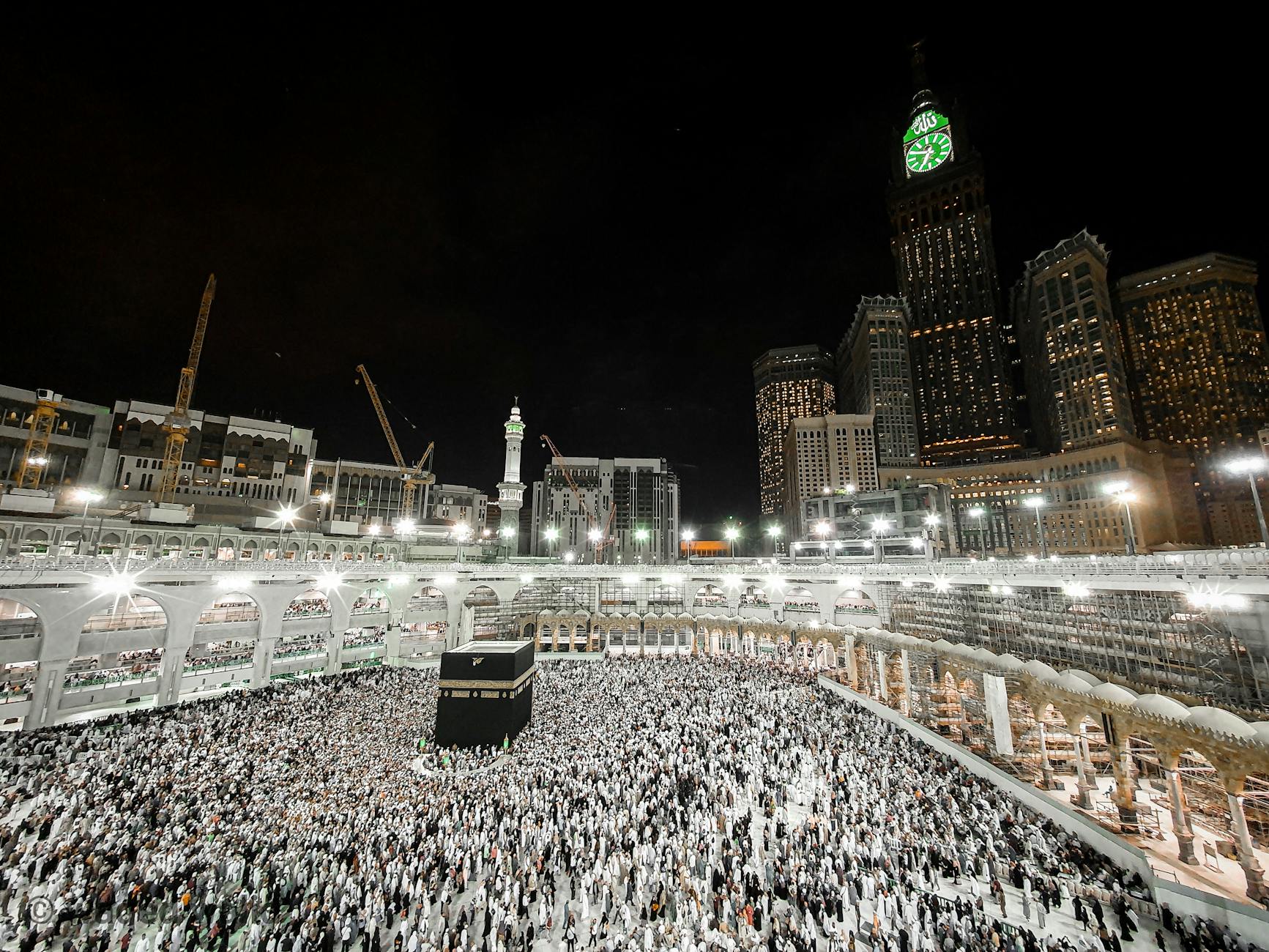
The world's third-tallest building (601m) features the world's largest clock face. The complex houses hotels, a shopping mall, and the Makkah Clock Tower Museum. The towers offer the closest accommodation to the Grand Mosque, though at premium prices during Hajj season.
Hajj and Umrah Guide
Hajj is performed during specific days in the Islamic month of Dhul Hijjah. Umrah, the "lesser pilgrimage," can be performed any time of year and takes a few hours. Both require specific rituals and spiritual preparation.
Key Rituals
Ihram
Men wear two white unstitched cloths; women wear modest clothes with face uncovered. State of consecration begins at miqat (designated boundaries).
Tawaf
Seven counter-clockwise circuits around the Kaaba. Begin at the Black Stone corner. Performed on arrival (Tawaf al-Qudum) and farewell (Tawaf al-Wida).
Sa'i
Walking seven times between the hills of Safa and Marwah, commemorating Hajar's search for water for her son Ismail.
Stoning of Jamarat
During Hajj, pilgrims throw pebbles at three stone pillars in Mina over several days, symbolizing rejection of Satan.
Arafat Day
Standing on the plain of Arafat from noon to sunset on 9th Dhul Hijjah. The essential pillar of Hajj - considered a preview of the Day of Judgment.
Sacrifice (Qurbani)
Animal sacrifice on Eid al-Adha (10th Dhul Hijjah). Modern Hajj packages include this, with meat distributed to the needy.
Practical Information
Getting There
- Airport: King Abdulaziz International (Jeddah) - 80km away
- Hajj Terminal: Dedicated terminal for pilgrims
- Haramain Train: High-speed rail to Medina via Jeddah
- Visa: Special Hajj/Umrah visa required (through authorized agents)
Budget Guide (Hajj Package)
- Economy: $4,000-6,000 (basic accommodations, shared transport)
- Standard: $8,000-12,000 (4-star hotels, better locations)
- Premium: $15,000-25,000+ (5-star near Haram, private services)
Best Time to Visit
- Hajj: 8-12 Dhul Hijjah (dates shift annually on Gregorian calendar)
- Umrah: Year-round, but crowded during Ramadan
- Weather: Summer extremely hot (40-45°C), winter mild (20-25°C)
- Ramadan: Very crowded but spiritually rewarding
Interactive Map
Explore Mecca's top attractions on the map. Click markers for details and directions.
Key Attractions on Map
Want the Complete Guide?
Get our comprehensive Mecca ebook with detailed Hajj and Umrah guides, maps, and preparations.
Ebook Coming Soon