
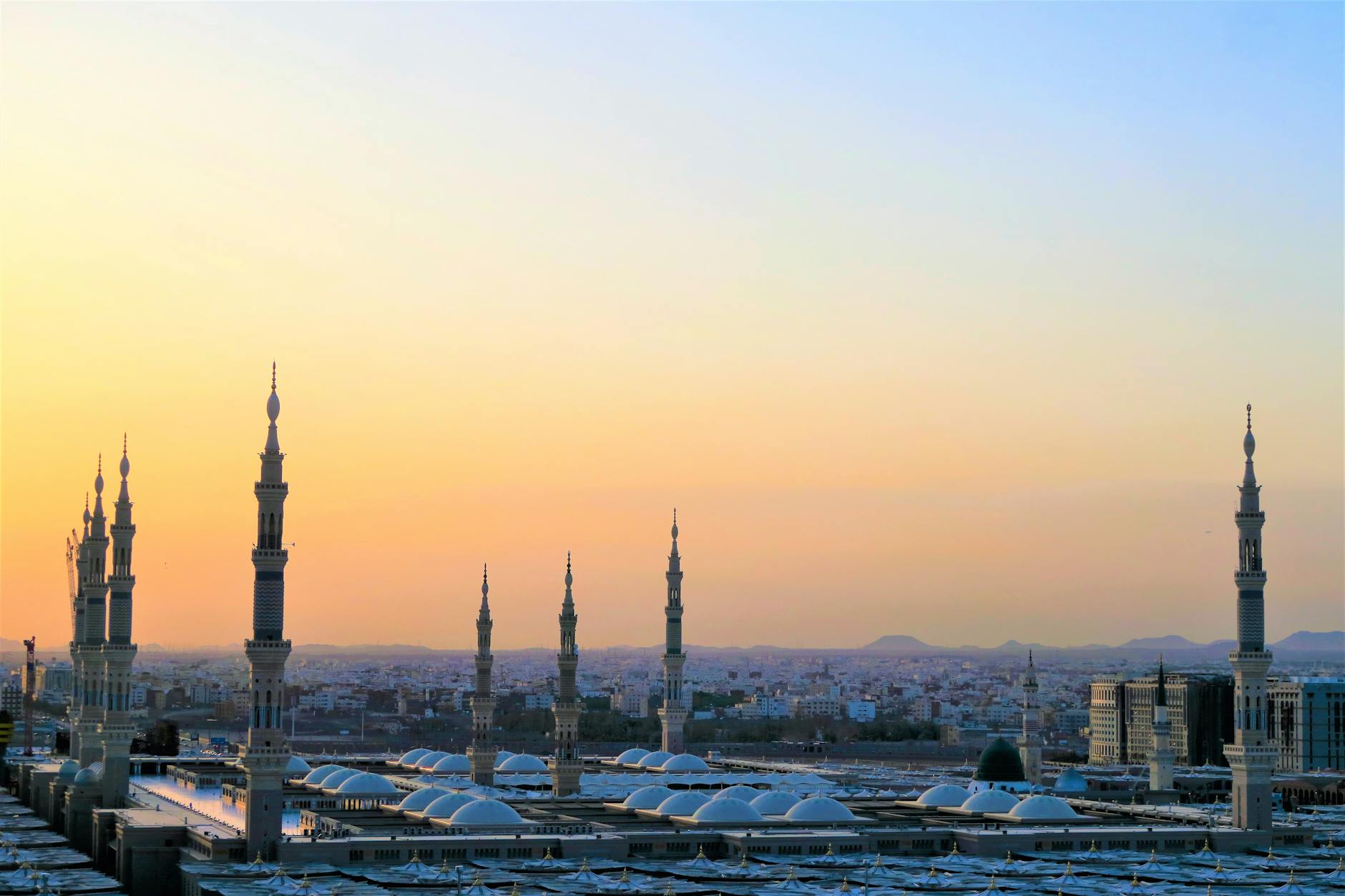
Medina (Al-Madinah Al-Munawwarah - "The Radiant City") is Islam's second holiest city after Mecca. It was here that Prophet Muhammad migrated from Mecca in 622 CE (the Hijra), establishing the first Muslim community. The Prophet's Mosque, where he is buried, draws millions of visitors annually. Unlike Mecca, the central mosque area is accessible to non-Muslims, though the sacred areas remain restricted.
Sacred Sites
Al-Masjid an-Nabawi (The Prophet's Mosque)
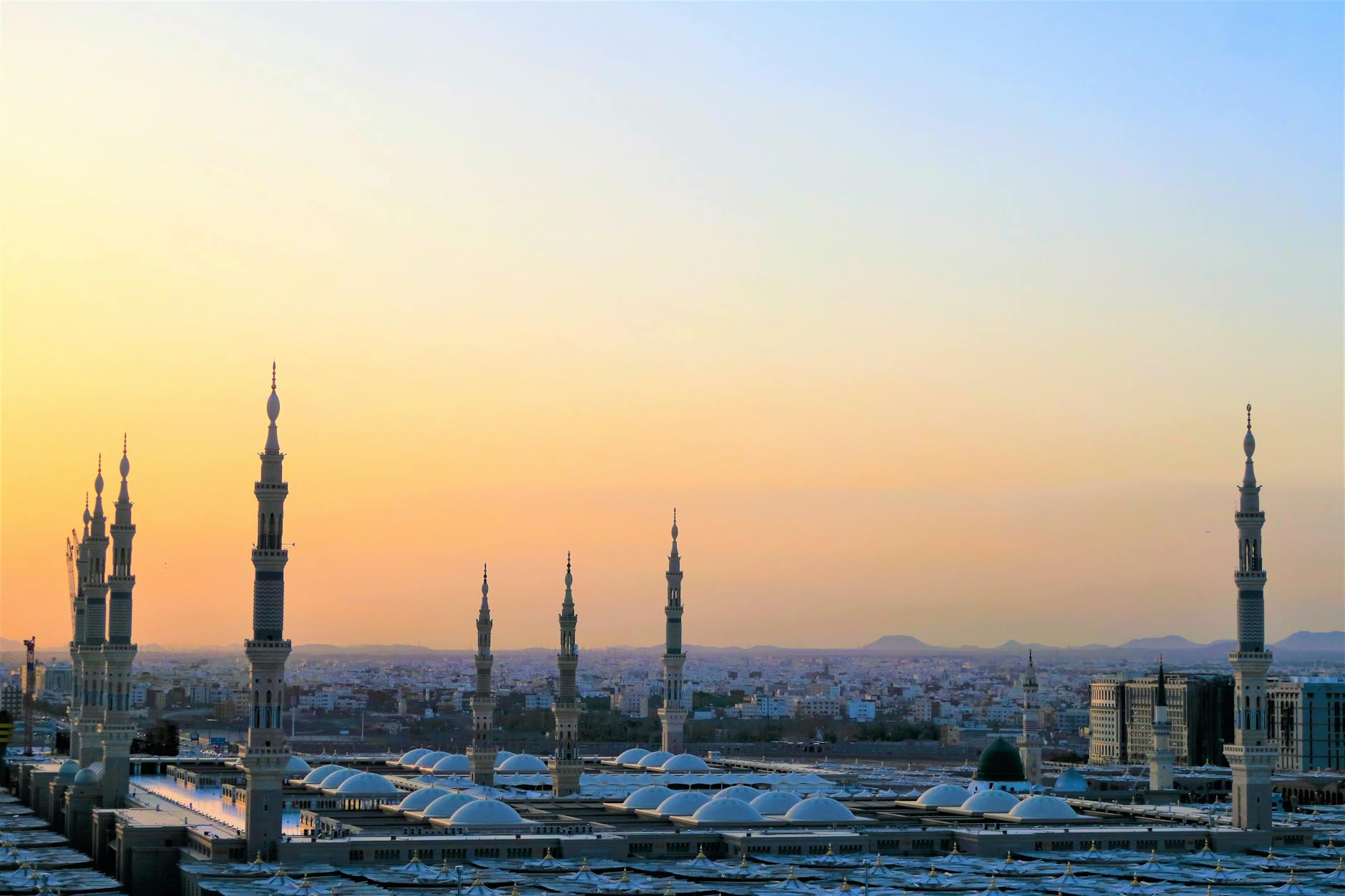
The second-largest mosque in the world can accommodate over 1 million worshippers. Originally built by Prophet Muhammad himself, it has been expanded many times. The famous green dome marks the location of the Prophet's tomb. Praying here carries great reward - one prayer is said to equal 1,000 prayers elsewhere.
Visitor Information
- Admission: Free (Muslims only for interior)
- Hours: Open 24 hours
- Rawdah Visit: Register online for allocated slot
- Dress Code: Modest dress; Ihram not required
Rawdah Sharif
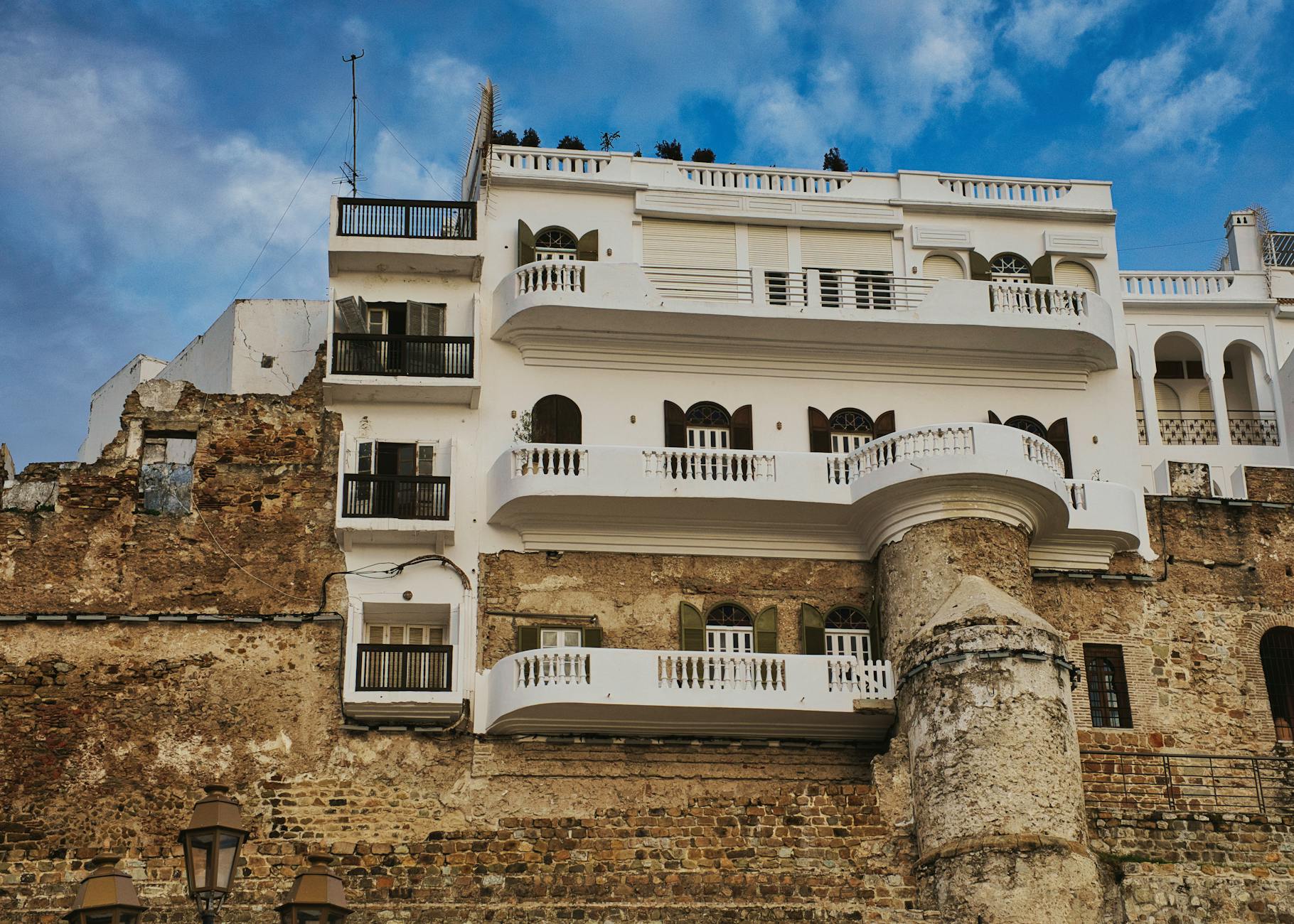
The Rawdah is the blessed area between the Prophet's tomb and his original pulpit (minbar). The Prophet said: "Between my house and my pulpit lies a garden from the gardens of Paradise." Distinguished by its white marble floor and green carpet, visitors need to book slots through the official app due to high demand.
Quba Mosque
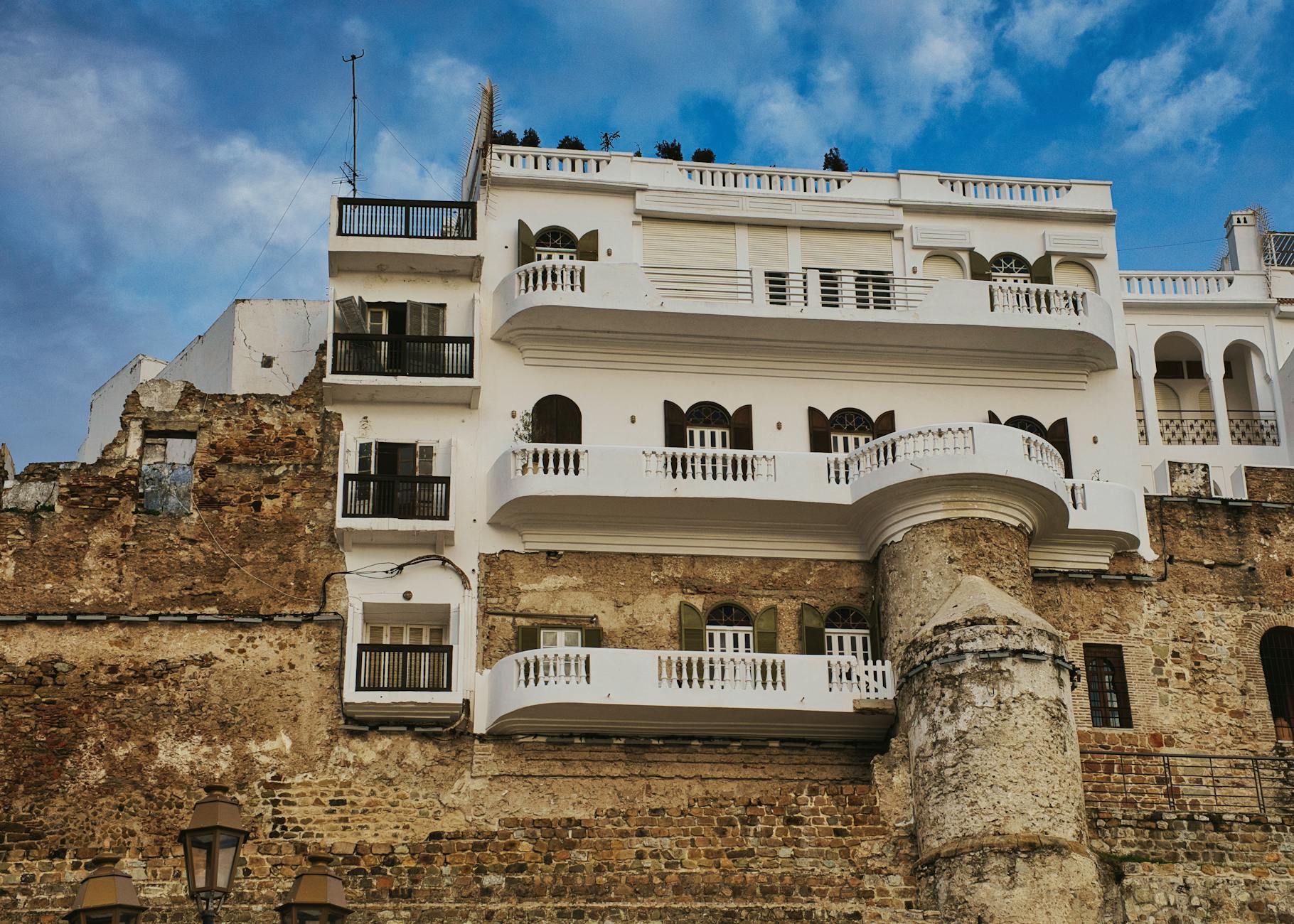
The first mosque ever built in Islam's history. Prophet Muhammad laid its first stones upon arriving in Medina before proceeding to the city center. He regularly visited on Saturdays, and he said that praying here equals the reward of Umrah. The modern structure is beautifully maintained.
Masjid Qiblatain
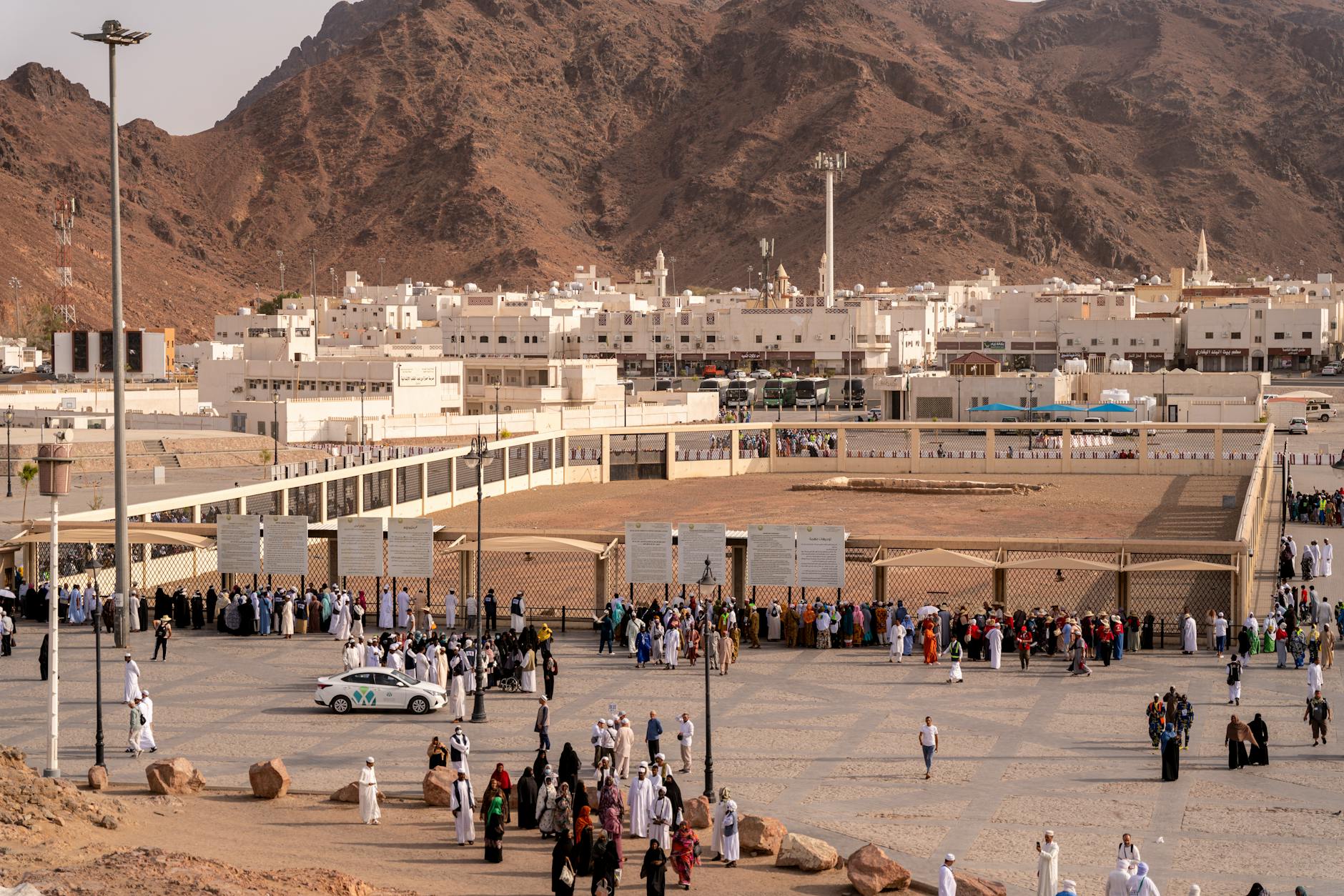
The "Mosque of Two Qiblas" marks where, during prayer, the Prophet received revelation to change the qibla (prayer direction) from Jerusalem to Mecca. The unique mosque once had two mihrabs facing both directions. Now expanded, it commemorates this significant moment in Islamic history.
Mount Uhud
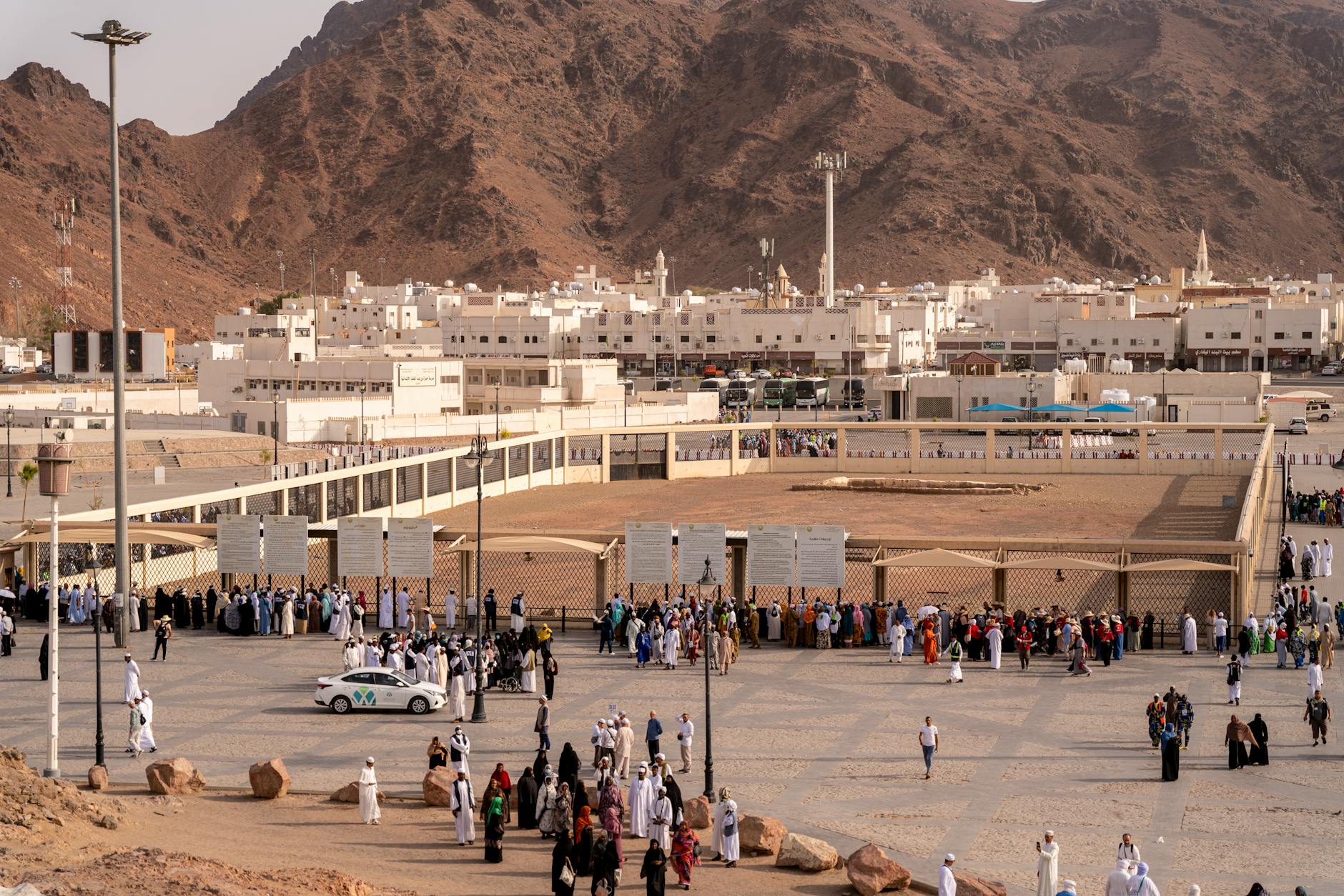
This mountain north of Medina was the site of the Battle of Uhud (625 CE). The Prophet's uncle Hamza and other companions are buried here at the Martyrs' Cemetery. The Prophet said: "Uhud is a mountain which loves us and which we love." It's a place of reflection on Islamic history.
Al-Baqi Cemetery
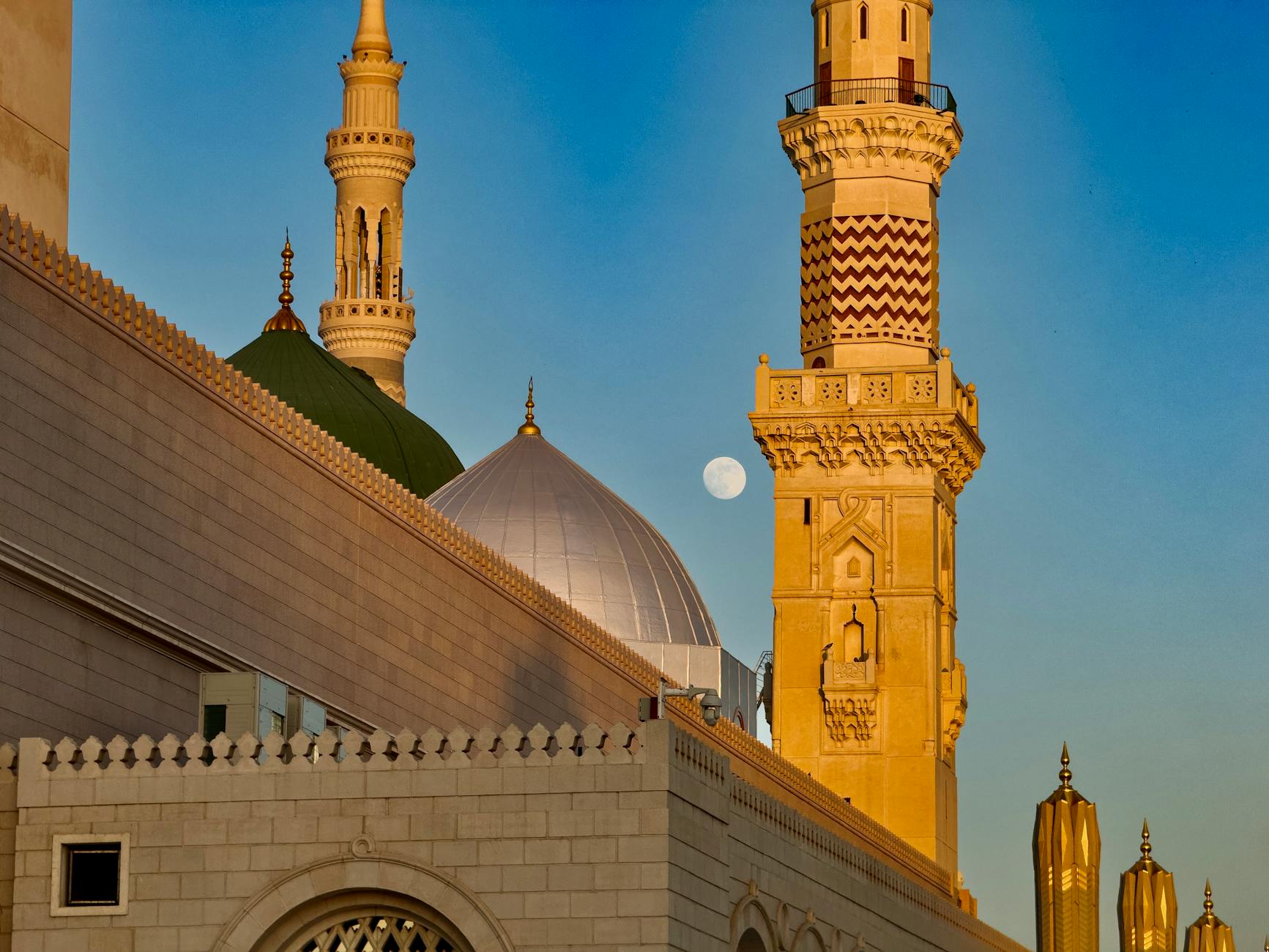
This sacred cemetery adjacent to the Prophet's Mosque is the resting place of many of the Prophet's family members and companions, including his daughters, wives, and grandson Hassan. The Prophet visited here regularly. Visitors can view from designated areas outside the walls.
Visiting Medina
Many pilgrims combine Medina with Hajj or Umrah, though visiting Medina is not part of either pilgrimage's rituals. The city offers a more peaceful atmosphere than Mecca, with the Prophet's Mosque being less crowded and more accessible.
Recommended Activities
Pray at the Prophet's Mosque
Spend time in prayer and contemplation. Early morning (Fajr) and late night are the most peaceful times.
Visit the Rawdah
Book through the official Nusuk app. Separate times for men and women. Come with duas prepared.
Explore Quba Mosque
Follow the Sunnah of visiting on Saturday. The modern mosque is beautiful and less crowded than the Prophet's Mosque.
Learn at the Date Farms
Medina is famous for dates, especially Ajwa. Visit farms to learn about cultivation and taste varieties.
Reflect at Uhud
Visit the battlefield and martyrs' cemetery. Guided tours provide historical context to this pivotal battle.
Shop at the Markets
Buy dates, attar (perfume), prayer rugs, and religious books from the markets around the mosque.
Practical Information
Getting There
- Airport: Prince Mohammad bin Abdulaziz International Airport
- Haramain Train: High-speed rail from Mecca (2.5 hours) and Jeddah (1.5 hours)
- From Mecca: 450km by road, buses available
- Visa: Umrah/Hajj visa or Saudi tourist visa required
Budget Guide (Per Day)
- Budget: SAR 300-500 ($80-130) - basic hotels, local food
- Mid-range: SAR 600-1,000 ($160-270) - 4-star hotels near Haram
- Luxury: SAR 1,500+ ($400+) - 5-star with mosque views
Best Time to Visit
- Year-round: Medina can be visited any time
- Ramadan: Crowded but spiritually rewarding
- Weather: Very hot summers (40-45°C), mild winters
- Before/After Hajj: Many pilgrims combine the visits
Interactive Map
Explore Medina's top attractions on the map. Click markers for details and directions.
Key Attractions on Map
Want the Complete Guide?
Get our comprehensive Medina ebook with detailed site guides, spiritual preparation, and tips.
Ebook Coming Soon